Pastor Sparks Outrage After Arrest—Then Goes LIVE With His Family
A dramatic Facebook LIVE broadcast from Apostle Dr. T.D. McNutt is drawing fierce reactions across social media after the pastor publicly addressed his recent arrest—placing much of the blame on his teenage son during a highly emotional family confrontation streamed online.
The livestream, which featured McNutt, the boy’s mother, and other family members, was framed as a moment of accountability and “godly parenting.” But critics argue that what unfolded blurred the line between discipline and public humiliation.
McNutt began the broadcast with prayerful language, repeatedly invoking faith and divine purpose.

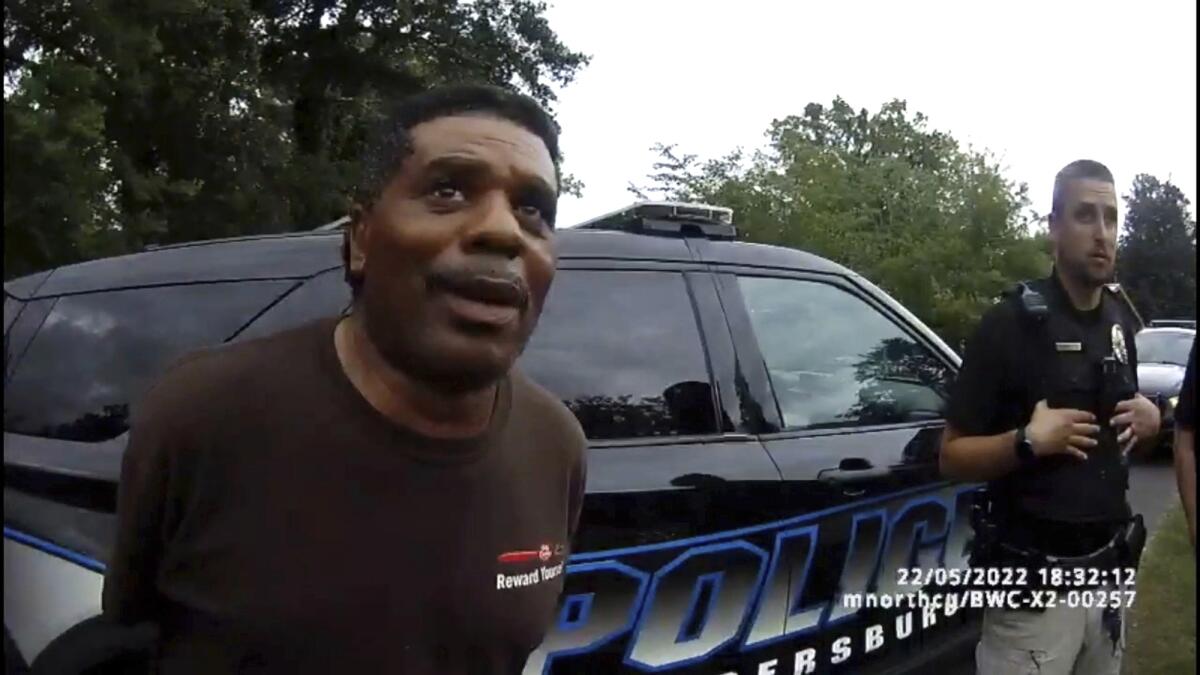
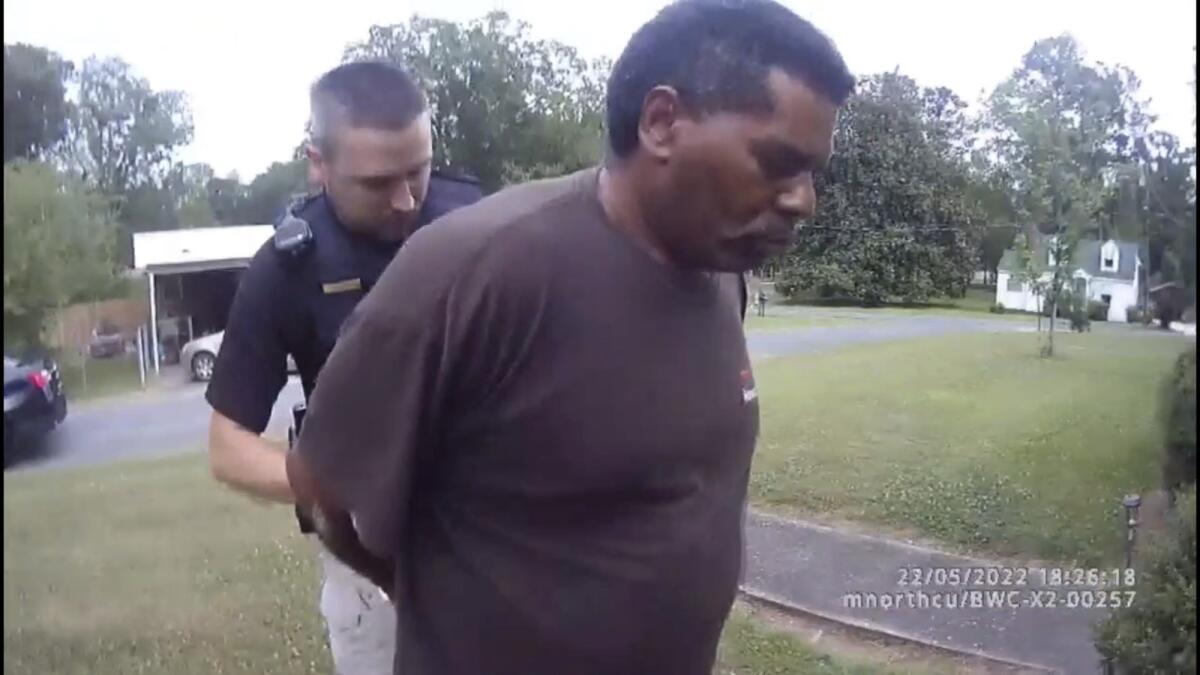
He explained that he had been arrested on December 3rd after authorities responded to allegations of child abuse. According to McNutt, the accusation stemmed from what he described as “manipulation” and deception by his 16-year-old son following disciplinary issues at school.
“My mug sH๏τ was online,” McNutt said during the livestream. “You saw me standing there like I’m a criminal.”
He claimed the report accused him of child abuse involving “little marks and no damage,” insisting the situation had been exaggerated. McNutt described being arrested in his home and temporarily restricted from contacting the teen during the investigation.

Throughout the broadcast, he maintained that he “lives what he preaches” and framed the ordeal as an attack on his household. He emphasized that both he and the boy’s mother share the same “godly principles” across their separate homes and that their parenting is rooted in faith and structure.
The tone of the livestream shifted dramatically when McNutt turned his focus directly to the teenager.
He described the past several years as deeply challenging, stating that the boy had “put us through hell” since middle school.
He referenced repeated issues at school, dishonesty, and behavioral problems, while also acknowledging that they had previously defended him against bullying and supported him through disciplinary matters.
Despite the harsh language, both parents repeatedly affirmed their love for their son.
“This is what real love looks like,” McNutt declared. “We still love you.”
The most controversial moment came when the teenager was prompted to issue a public apology—on camera—to a sweeping list of individuals: police officers, school administrators, attorneys, judges, church members, and his family.
The teen apologized for “manipulation,” “deception,” and falsely reporting the incident. He acknowledged lying, attempting to avoid punishment, and causing authorities to arrest his father. He also apologized to his younger sibling for witnessing their father placed in handcuffs.
“I apologize for lying on dad,” the teenager said. “I apologize for not being a good son.”
Viewers have been sharply divided in their response.
Supporters of the pastor argue that the livestream demonstrates accountability and transparency. They believe the public apology teaches responsibility and models biblical correction. Some parents have commented that they admire the family for refusing to “sweep it under the rug.”
However, critics have raised serious concerns about the decision to broadcast such a deeply personal matter. Child advocates and social media users questioned whether the teenager’s apology was voluntary or coerced, and whether addressing legal and family issues in a public forum could have long-term consequences for the minor.
Many viewers also noted the repeated emphasis on the pastor’s reputation and public image, especially in reference to the mug sH๏τ and online reactions.
“This should’ve been handled privately,” one commenter wrote. “This is a child.”
The livestream also included emotional exchanges between McNutt and the boy’s mother, who publicly apologized to the pastor for what their son had “taken him through.” McNutt praised her parenting and described her as “one of the best moms this side of heaven,” while reiterating their shared commitment to raising their son “God’s way.”
The complexity of the situation highlights broader questions about parenting, public platforms, and leadership accountability in the digital age. When family conflict intersects with criminal allegations and church authority, the stakes become significantly higher.
Legal experts often caution that ongoing investigations and minors’ involvement in legal disputes require careful handling. Meanwhile, faith communities frequently wrestle with how to balance forgiveness, discipline, and public transparency.
For McNutt, the livestream was presented as a turning point—a moment of correction, confession, and restoration. But for many viewers, it has sparked an entirely different conversation about boundaries, power dynamics, and whether some lessons are better taught away from a camera lens.
As the video continues to circulate, reactions remain intense.
Some see a father fighting for his name and household. Others see a teenager placed under immense public pressure.
One thing is certain: what was intended as a lesson in character has instead become a national debate about parenting in the age of livestreams.


