Prophet, Power & Public Fallout: The Night Le’Andria Johnson Spoke Out
In the world of modern Pentecostal ministry, few names carry as much weight—or spark as much debate—as Pastor Brian Carn. Known for his prophetic declarations, sharp presentation, and commanding presence, Carn built a following that spans churches, conferences, and online platforms. To supporters, he is a bold prophetic voice. To critics, he represents the blurred line between spiritual gifting and religious celebrity.
But when gospel powerhouse Le’Andria Johnson publicly challenged him, the conversation shifted from whispers to headlines.

Brian Carn’s story began in Jacksonville, Florida, where he was reportedly preaching and prophesying as a child.
Videos of his early sermons circulated widely, capturing a young preacher speaking with unusual confidence and intensity. By his teenage years, he had become a recognizable figure within prophetic and Pentecostal circles.
As his platform expanded, so did his influence.
Packed revivals, national conference invitations, and the launch of his own ministry cemented his place among high-profile prophetic leaders. With that rise came polished branding, large-scale events, and a loyal base of followers who believed deeply in his calling.
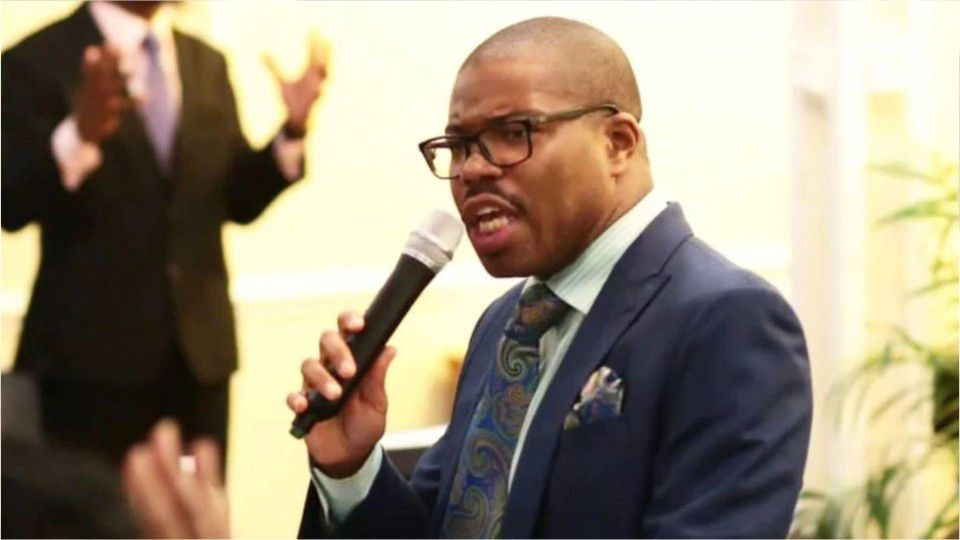
Yet, like many prominent religious figures, Carn’s ascent was not without controversy. Over the years, online critics raised questions about prophecy similarities, financial practices, and the culture surrounding modern prophetic movements. Carn consistently denied wrongdoing, often framing opposition as spiritual warfare.
Still, scrutiny lingered.

Le’Andria Johnson is no stranger to controversy herself.
Since winning BET’s Sunday Best in 2010, she has built a reputation not only for her extraordinary vocal ability but also for her unfiltered honesty. Unlike many gospel artists who maintain carefully curated images, Johnson has been open about personal struggles, including addiction and challenges within church culture.
That transparency earned her both admiration and criticism. But it also gave her credibility among those who value authenticity over perfection.
When Johnson decided to speak publicly about her concerns regarding Pastor Carn, it wasn’t framed as industry gossip.

It came during an emotional livestream in which she questioned what she described as performative prophecy and manipulative church culture. While she did not present formal evidence in a legal sense, her words carried weight because of her proximity to the ministry world.
She criticized what she viewed as theatrics overshadowing sincerity and suggested that some spiritual spaces prioritize spectacle over genuine care for hurting people.
“People are hurting,” she said during the broadcast. “And y’all play with God like it’s entertainment.”
That line spread rapidly across social media.
Within hours, clips of Johnson’s remarks were circulating across blogs, YouTube channels, and church discussion forums.
Hashtags formed. Supporters praised her courage, calling it a long-overdue moment of accountability within high-profile ministry culture. Others accused her of attacking “God’s anointed” and warned against public criticism of spiritual leaders.
Pastor Carn initially remained silent.
Then, during a service at his church, he addressed the controversy—without naming Johnson directly.
He described facing attacks as part of spiritual opposition and emphasized staying focused on his divine ᴀssignment. To his followers, the message reaffirmed his confidence and calling.

To critics, it felt like deflection.
Carn framed the situation as spiritual warfare, ᴀsserting that increased visibility naturally attracts resistance. His supporters flooded comment sections with encouragement, while detractors argued that legitimate concerns deserved clearer answers.
The church world split into camps.

Beyond the personalities involved, the situation exposed a broader tension within modern faith communities: the intersection of charisma, celebrity, and accountability.
In an era where sermons stream globally and prophetic words go viral in seconds, spiritual leaders often operate on platforms once reserved for entertainers.
With influence comes scrutiny—and increasingly, demands for transparency.
Some pastors and ministry leaders quietly distanced themselves from the controversy.

Event lineups shifted. Conversations about financial ethics, prophetic integrity, and leadership structures resurfaced. For many observers, Johnson’s statements were less about one man and more about a system that can elevate leaders beyond question.
Supporters of Carn argue that prophetic ministry has always faced skepticism and that public accusations risk damaging legitimate spiritual work. Supporters of Johnson argue that unchecked authority can harm vulnerable believers seeking guidance.
Both sides claim to defend the integrity of the church.

As of now, no legal action or formal church disciplinary outcome has defined the situation. The debate remains largely in the realm of public opinion and spiritual interpretation.
Carn continues ministering. Johnson continues speaking openly.
The conversation has not disappeared—it has evolved.
What makes this moment significant is not simply the clash between two influential figures.

It is the growing willingness within faith communities to discuss power dynamics, transparency, and the responsibility that comes with spiritual authority.
Whether one sees this as exposure, persecution, or necessary reform depends largely on perspective. But one thing is clear: the era of unquestioned religious celebrity is being challenged.
And the church is watching.


