Atlanta Pastor Breaks His Silence: The Scandal, the Extortion, and the Truth About His Lifestyle
Atlanta’s Christian Cultural Center was buzzing with anticipation as Pastor Sam Collier returned to the pulpit, ready to address the swirling rumors that had threatened to overshadow his ministry and personal life.
For months, speculation about his Sєxuality, alleged infidelities, and a headline-grabbing extortion plot had gripped the congregation and spilled across social media.
The drama began when his ex-wife, Minister Tony Collier, took her story to the popular “Girls Gone Bible” podcast, revealing intimate details about their failed marriage and the scandal that followed.

Tony Collier, herself a respected minister and author, did not hold back.
On her book tour for “Don’t Try This Alone: How to Build Deep Community When You Want to Hide from Your Pain,” she aired grievances about Sam’s alleged repeated cheating and the shocking claim that he was extorted by a “T-woman escort” in 2023.
According to Tony, the escort threatened to expose Sam at his church, even claiming to possess a compromising video.
The price for silence? $10,000, which Sam reportedly paid before involving the police when the demands escalated.
The incident report, now public thanks to the Christian Post, fueled speculation and raised uncomfortable questions for the church.

Why would a pastor have any dealings with an escort? What was on the alleged video that justified such a payout? The story echoed other scandals in the church world, where pastors have been exposed and extorted by escorts, sometimes with viral videos and public shaming.
For weeks, Sam Collier remained silent, letting Tony’s narrative dominate the conversation.
But in a recent restoration service at his Atlanta church, he finally spoke out.
Facing his congregation, Sam admitted the toll the rumors had taken: “It’s been difficult because you have your integrity questioned, your Sєxuality questioned—which has always been intact and will always remain intact. HeteroSєxual. End quote.”
The church erupted in applause, but the moment was more than just a declaration—it was a turning point in a saga that had exposed deep wounds and divisions.
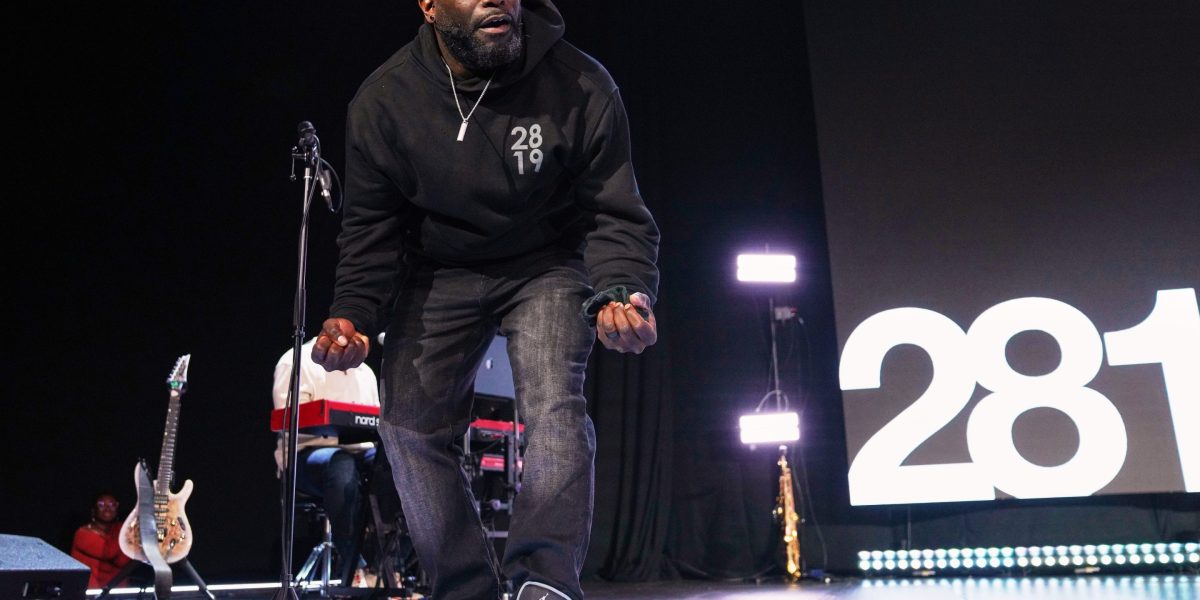
Sam’s statement was clear: he wanted his church, his ex-wife, the bloggers, and the world to know he is “100% heteroSєxual.”
Yet, the underlying issues remained.
If Tony’s allegations of cheating with escorts were true, Sam’s path to restoration would require more than just public affirmation—it would demand genuine repentance, accountability, and healing before he could fully return to leadership or consider future marriage.
Dawson Speaks TV, the channel covering the story, reminded viewers that religious leaders are held to a higher standard.
The pulpit is a place of power, and when that power is abused, the fallout can devastate families and congregations alike.
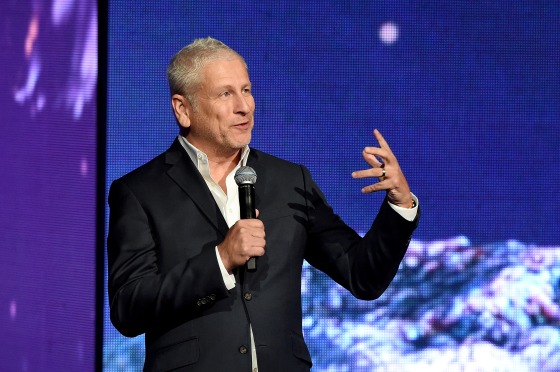
The host recounted other infamous church scandals, emphasizing that escorts—regardless of personal beliefs—are businesspeople who will expose clients who refuse to pay or try to avoid consequences.
The church, he argued, must confront uncomfortable truths about the private lives of its leaders and the culture of secrecy that allows such scandals to fester.
The story also highlighted the double standard in many religious insтιтutions.
When pastors fall, the church often rallies to restore them, while wives and women are left to pick up the pieces, frequently facing psychological harᴀssment or being chased out of the community.
Dawson challenged the church to reflect: “Who’s going to support the wife? Where’s her healing or restoration service for all the hell she endured while being married to the pastor who broke the marriage vows?”

The video closed with a call for compᴀssion and honesty.
Dawson apologized for previously suggesting Tony should stay silent, acknowledging that those who suffer have a right to tell their story.
“The individuals who get hurt the most in religious insтιтutions are women and children,” he said, urging viewers to protect their peace, learn from mistakes, and use their mess as a message to help others.
As the dust settles, both Sam and Tony Collier face the challenge of moving forward.
Their story is a reminder that behind every pulpit is a human being—flawed, vulnerable, and capable of both great harm and great healing.

The church must reckon with its own role in enabling scandals, and its responsibility to offer real support to victims, not just perpetrators.
In the end, Sam Collier’s public declaration may quiet some rumors, but the deeper work of restoration, forgiveness, and truth-telling is just beginning.
The lessons from this saga reach far beyond Atlanta, offering a cautionary tale for faith communities everywhere.


