Madagascar Reeling as Second Cyclone in 10 Days Pounds Vulnerable Communities
Just ten days after Cyclone Fytia tore through the island’s northwest, Madagascar has been struck again—this time by Cyclone Gezani—compounding devastation and pushing already strained communities to the brink.
The back-to-back storms have left thousands displaced, critical infrastructure damaged, and emergency services racing against time to prevent further loss of life.
Cyclone Fytia had barely cleared the region when Gezani began strengthening over the warm waters of the Indian Ocean.
For residents still clearing debris and repairing shattered homes, the renewed warnings felt like a cruel twist of fate.
Many families had sought temporary shelter after Fytia, only to face another round of violent winds and torrential rain before recovery could even begin.
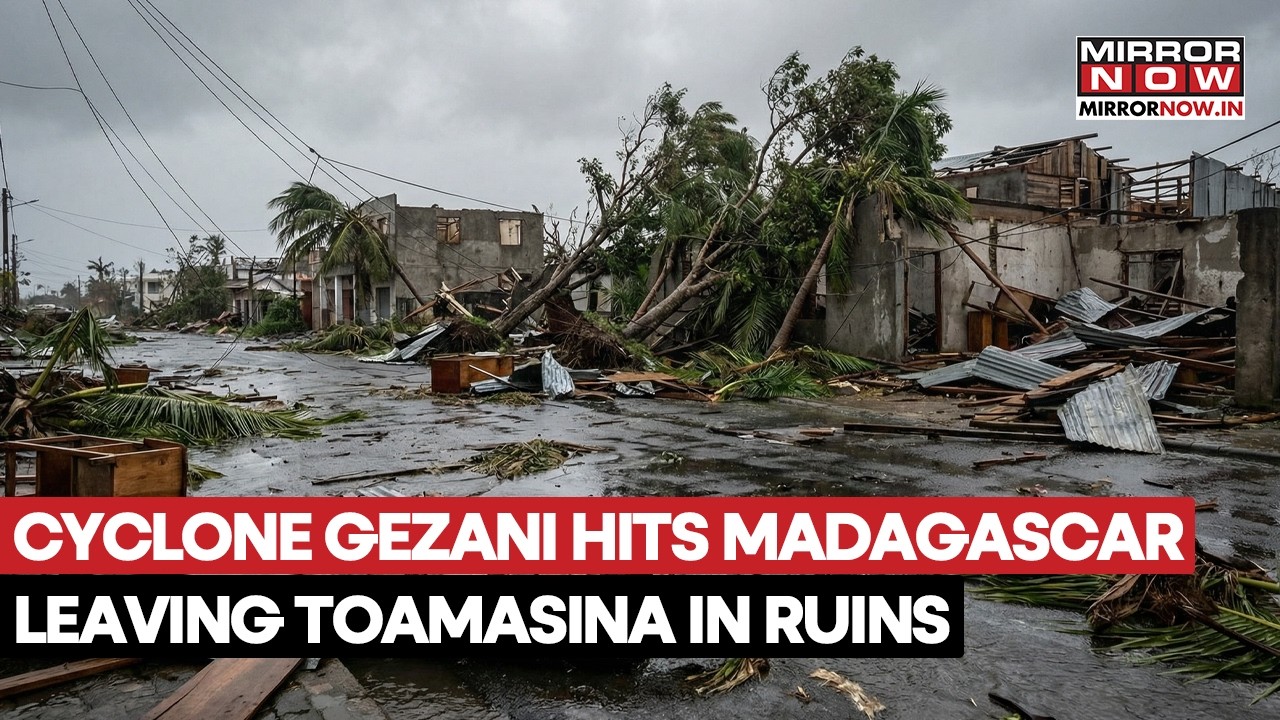
Gezani made landfall with powerful gusts and heavy rainfall, slamming into vulnerable coastal districts before sweeping inland.
In areas already weakened by Fytia’s impact, buildings that survived the first cyclone succumbed to the second.
Roofs peeled away, mud walls crumbled, and floodwaters surged into settlements still littered with debris from the earlier storm.
Officials reported widespread flooding as rivers—already swollen from days of rain—overflowed their banks.
Agricultural land in the northwest, previously battered by Fytia, was inundated again.
Crops that might have been salvageable after the first cyclone were destroyed entirely, intensifying concerns about food shortages and long-term economic damage.
Emergency responders described extraordinary challenges.
Roads damaged by Fytia were further eroded or washed away by Gezani’s rains, cutting off remote villages and slowing aid delivery.
Bridges weakened by the first storm collapsed under renewed pressure.
In some areas, helicopters were the only viable means of reaching stranded residents.
Local authorities confirmed additional casualties and injuries following Gezani’s pᴀssage, though full ᴀssessments are ongoing.
Communication disruptions have hampered efforts to compile accurate figures, and officials caution that the toll may rise as isolated communities are reached.
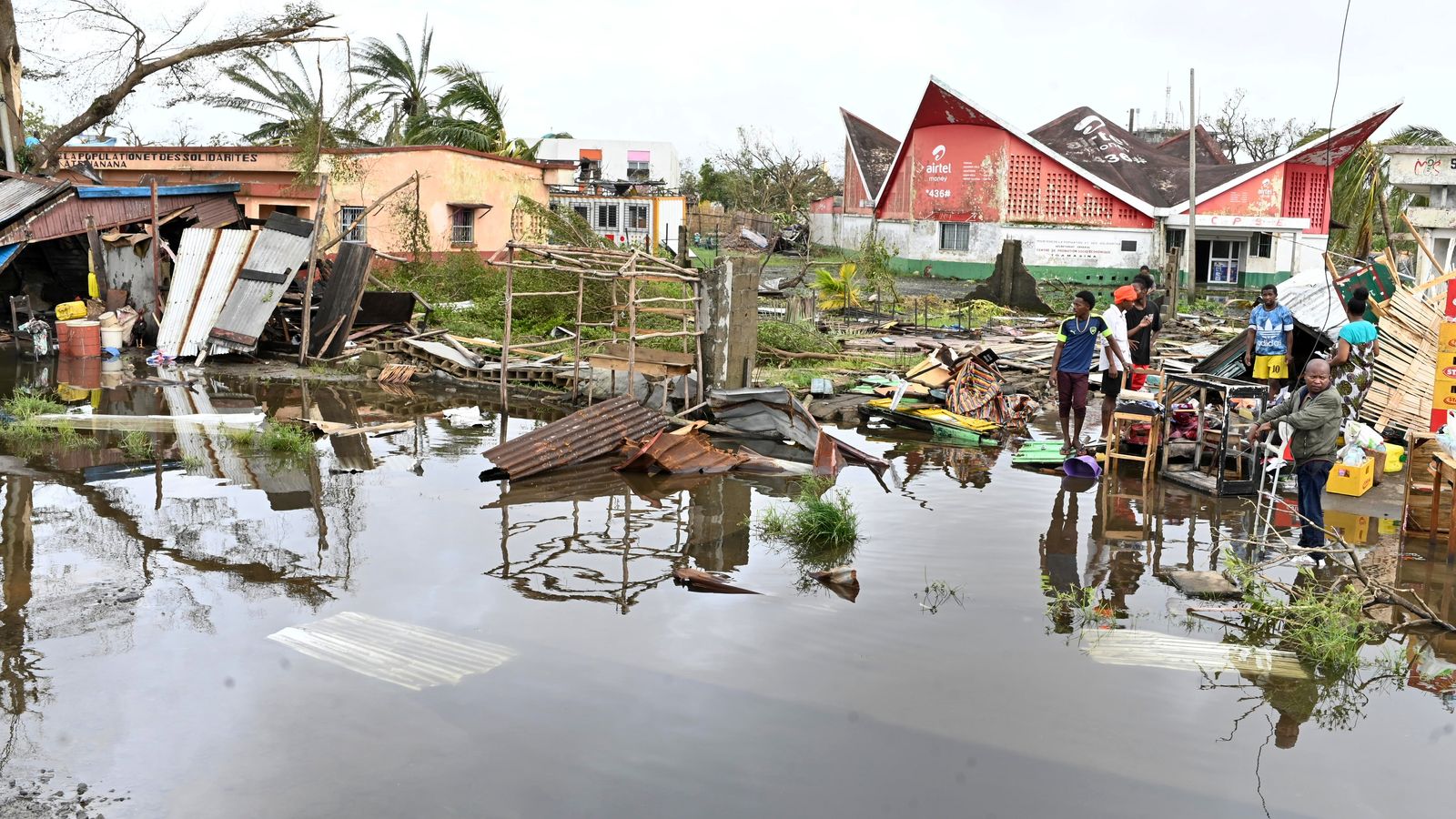
Temporary shelters established after Fytia quickly filled beyond capacity as new evacuees arrived seeking safety.
Madagascar is no stranger to tropical cyclones, but two significant storms in such rapid succession place enormous strain on infrastructure and humanitarian resources.
The island nation’s long coastline and widespread poverty make it especially vulnerable to extreme weather.
Homes built from lightweight materials offer little protection against sustained winds and heavy rainfall.
Aid organizations are mobilizing to address urgent needs, including clean water, food supplies, and medical ᴀssistance.
Standing floodwaters heighten the risk of waterborne diseases, while overcrowded shelters create additional public health concerns.
Medical teams are distributing purification tablets and basic care kits as they move between evacuation centers.
Meteorologists noted that warm sea surface temperatures provided fuel for both cyclones.
While each storm followed its own trajectory, the pattern of rapid intensification and heavy rainfall underscores the increasing volatility of regional weather systems.
Experts warn that repeated extreme events can erode community resilience, leaving populations more exposed to subsequent disasters.
In coastal fishing communities, the economic blow has been severe.
Boats damaged during Fytia were further battered by Gezani’s winds and waves.

Inland farmers now face fields stripped of crops and livestock losses.
Recovery costs are expected to escalate sharply as authorities ᴀssess cumulative damage from both cyclones.
Despite the grim circumstances, stories of solidarity have emerged.
Neighbors have helped reinforce shelters with salvaged materials, and volunteers have ᴀssisted in evacuations through waist-deep water.
Community leaders are coordinating local relief efforts while awaiting broader national and international support.
Government officials have pledged to prioritize rebuilding efforts in the northwest, though they acknowledge that resources are stretched thin.
Appeals for international ᴀssistance have intensified as the scale of dual-storm damage becomes clearer.
Reconstruction will require not only repairing homes and roads but restoring livelihoods disrupted twice in less than two weeks.
As Gezani moves away and skies begin to clear, the landscape across Madagascar tells a sobering story: uprooted trees, collapsed homes, and fields transformed into muddy lakes.
For many families, the trauma of enduring one cyclone was devastating enough.
Facing a second so soon has deepened hardship and uncertainty.
The back-to-back impact of Cyclones Fytia and Gezani highlights the growing challenges posed by extreme weather in vulnerable regions.
For Madagascar, recovery will be long and complex, demanding resilience from communities already tested by nature’s relentless force.


