Little River Cut Off After Torrential Downpour Triggers Historic Flooding
A relentless wall of rain has battered New Zealand’s Banks Peninsula, dumping more than 300 millimeters of rainfall in a matter of hours and triggering what officials are calling a “40-year flood” event.
The small rural community of Little River found itself at the epicenter of the crisis as rivers surged beyond their banks, farmland disappeared beneath muddy water, and roads were torn apart by the sheer force of runoff cascading down steep hillsides.
The storm system moved in swiftly, but what followed stunned even longtime residents accustomed to wild coastal weather.
By nightfall, sheets of rain pounded rooftops without pause.
Culverts filled and overflowed.
Drains backed up.
Water that should have filtered slowly into the soil instead raced downhill, funneling into creeks and streams already swollen from previous rainfall.
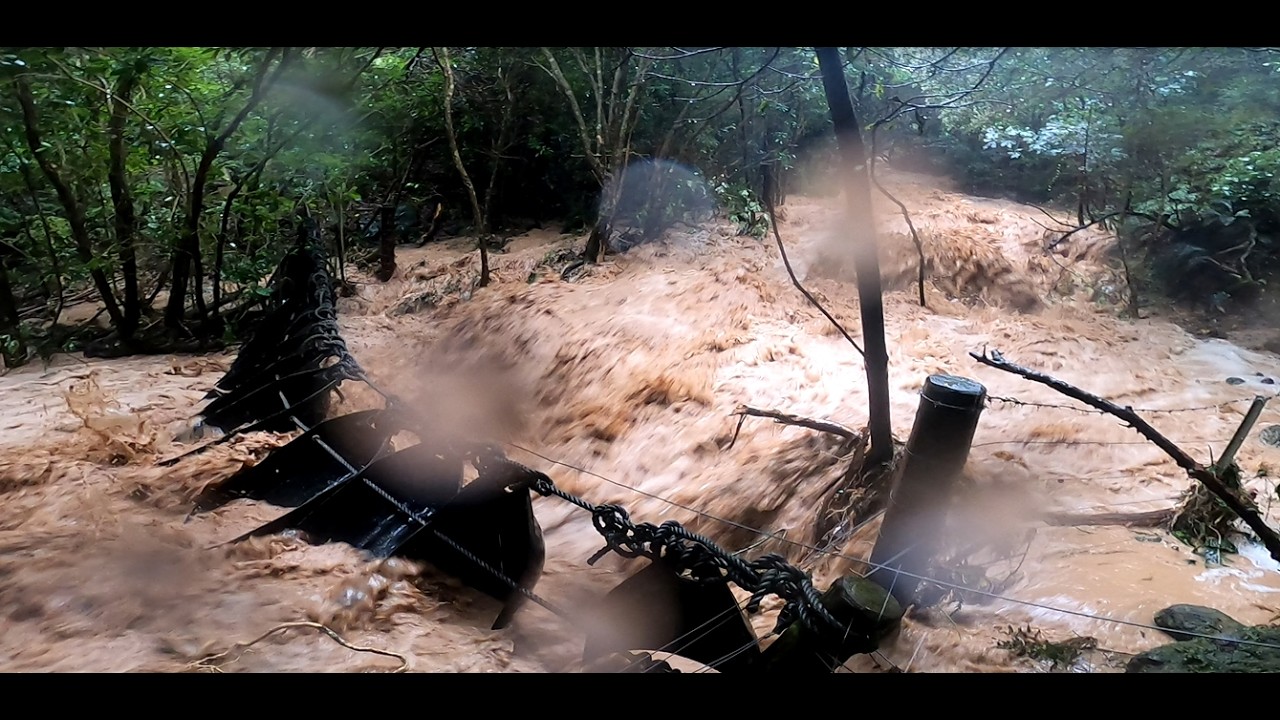
By dawn, the landscape had changed.
Emergency services reported that river levels rose with alarming speed, submerging low-lying roads and isolating pockets of the peninsula.
In some areas, residents woke to find driveways transformed into torrents and paddocks converted into shallow lakes.
Livestock were moved to higher ground as quickly as possible, but in certain valleys the water rose too fast for full evacuations.
Authorities described the rainfall totals as extraordinary.
More than 300mm in such a short period places immense strain on infrastructure designed decades ago.
For comparison, that amount can represent several months’ worth of average precipitation compressed into a single event.
Engineers monitoring river gauges confirmed that peak levels matched or exceeded measurements last seen four decades ago.
The steep terrain of Banks Peninsula amplified the disaster.
Water cascading from ridgelines gathered momentum, carving gullies into farmland and triggering localized landslides.
Sections of rural highways were undermined, leaving asphalt fractured and suspended over washed-out foundations.
Transport officials closed multiple routes as crews ᴀssessed structural damage and cleared debris.
Power outages compounded the emergency.
Fallen trees and saturated soil brought down lines across parts of the peninsula, leaving homes in darkness as heavy rain continued to fall.
Emergency shelters were opened in safer zones to accommodate residents cut off from their properties.

Local volunteers stepped in to distribute supplies and check on elderly neighbors.
Inside Little River, the scene was both chaotic and strangely silent.
With most roads impᴀssable, there were few vehicles moving through the township.
Instead, the dominant sound was rushing water—creeks spilling over culverts and wind driving rain against buildings.
Shop owners placed sandbags at doorways, but in several cases floodwater seeped inside anyway, coating floors in mud.
Farmers face a long recovery.
Beyond immediate water damage, erosion stripped away topsoil critical for crops and pasture regeneration.
Fences were swept aside.
Drainage channels clogged with sediment.
Agricultural experts warn that even after floodwaters recede, saturated fields may take weeks to stabilize, and some losses may be permanent.
Local authorities coordinated closely with national emergency management agencies, deploying additional crews and heavy equipment.
Helicopters conducted aerial ᴀssessments to identify isolated residents and evaluate the scale of landslides across remote sections of the peninsula.
Officials urged people not to attempt to drive through floodwaters, emphasizing that even shallow currents can conceal deep washouts or unstable surfaces.
Meteorologists explained that the storm system stalled over the region, drawing in moisture-laden air and releasing it in concentrated bursts.

When rainfall intensity exceeds the land’s absorption capacity, runoff accelerates dramatically, particularly in hilly terrain like Banks Peninsula.
Combined with already saturated soil, the effect becomes exponential rather than gradual.
Residents described a mixture of disbelief and determination.
“We’ve seen heavy rain before,” one longtime local said while clearing debris from a gate.
“But nothing like this. It just didn’t stop.”
Others spoke of checking river levels repeatedly through the night, watching as the water crept higher with each hour.
Environmental scientists note that extreme rainfall events are becoming more frequent in certain parts of New Zealand.
While a single storm cannot be solely attributed to broader climate patterns, the intensity and concentration of precipitation are prompting renewed discussions about flood resilience, infrastructure upgrades, and land management strategies.
As skies gradually began to clear, attention shifted to recovery.
Engineers inspected bridges for hidden structural damage.
Utility crews worked to restore electricity.
Road repair teams mobilized to fill washed-out sections and stabilize embankments.
The process, officials caution, will take time.
Insurance claims are expected to rise sharply.
Many properties lie near waterways that historically remained manageable during seasonal rains.
A 40-year flood event challenges ᴀssumptions about risk and preparedness.
Some residents are already considering whether rebuilding in certain locations remains viable in the long term.
Despite the destruction, community solidarity has been striking.
Neighbors have shared generators, delivered meals, and ᴀssisted with livestock relocation.
Volunteers formed cleanup crews to clear mud from community buildings.
In small towns like Little River, resilience often emerges not from grand gestures but from countless small acts of cooperation.
Authorities continue to monitor river systems in case additional rainfall triggers renewed flooding.
Even after the main storm cell has moved on, saturated ground can lead to delayed landslides or secondary surges.
Officials advise caution during cleanup efforts, particularly around unstable slopes and damaged infrastructure.
For now, Banks Peninsula stands marked by the unmistakable imprint of water’s power.
What was once familiar landscape bears new scars—eroded hillsides, reshaped riverbanks, fractured roads.
The rain may have eased, but its impact will echo for months, perhaps years.
As residents begin the slow process of drying out homes and restoring farmland, one reality remains clear: when 300 millimeters of rain fall in a single relentless surge, nature redraws boundaries in ways no one can ignore.


