Billy Dee Williams Truly Hated Berry Gordy More Than Anyone
In Hollywood, rivalries are often whispered about but rarely confirmed.
Yet when Billy Dee Williams reflected on his experience filming Lady Sings the Blues (1972), one thing became unmistakably clear: his resentment toward Berry Gordy was deeply rooted, intensely personal, and long-lasting.
At the center of the tension was Diana Ross.
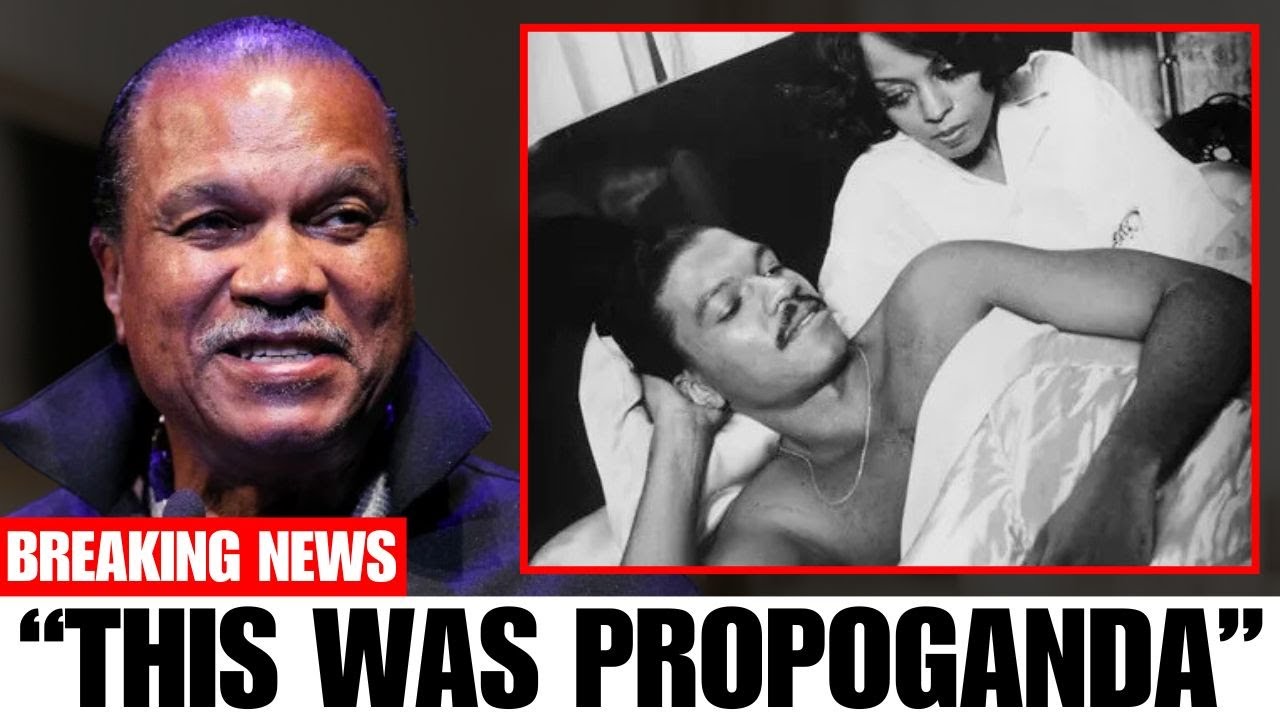
Lady Sings the Blues, a biographical drama inspired by the life of jazz legend Billie Holiday, marked Diana Ross’s film debut.
Berry Gordy, the founder of Motown Records, financed the film entirely through Motown Productions and served as executive producer.
Billy Dee Williams was cast as Louis McKay, Holiday’s lover and manager—a role that required romantic intimacy with Ross on screen.
What should have been routine acting quickly became complicated.
According to Williams, Gordy’s behavior during production revealed unresolved emotions and territorial instincts toward Ross.
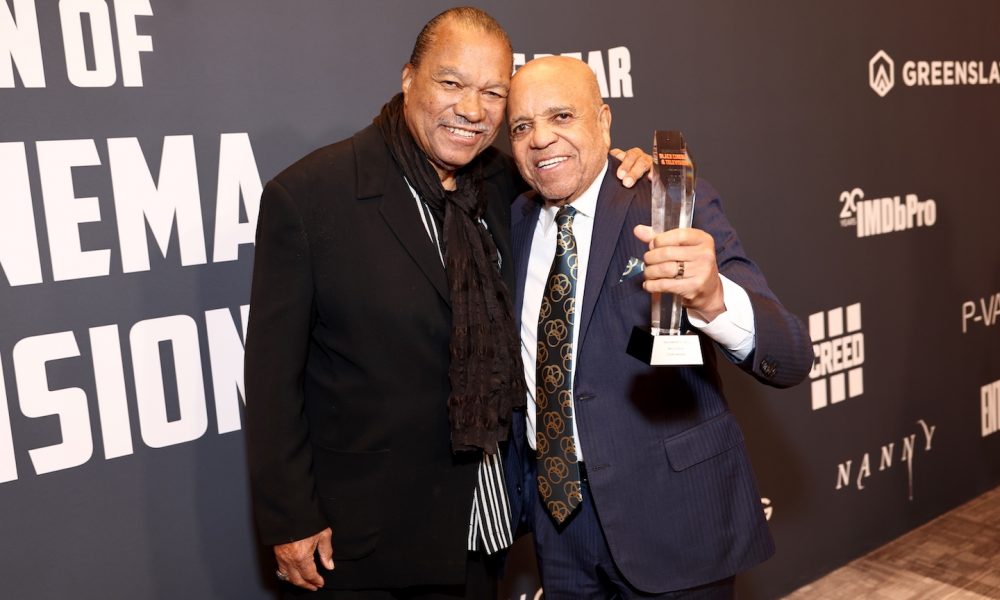
Though Gordy and Ross were no longer romantically involved at the time of filming, their history was undeniable.
Just six months before production began, Ross had given birth to Rhonda Ross—Gordy’s biological daughter—despite being married to music executive Robert Ellis Silverstein.
While Williams emphasized that Gordy and Ross were not actively involved during filming, he noted that emotional possession does not always disappear just because a relationship ends.
That reality became painfully obvious during the filming of a single kiss.
Williams later revealed that Lady Sings the Blues contained only one actual kiss between himself and Ross.
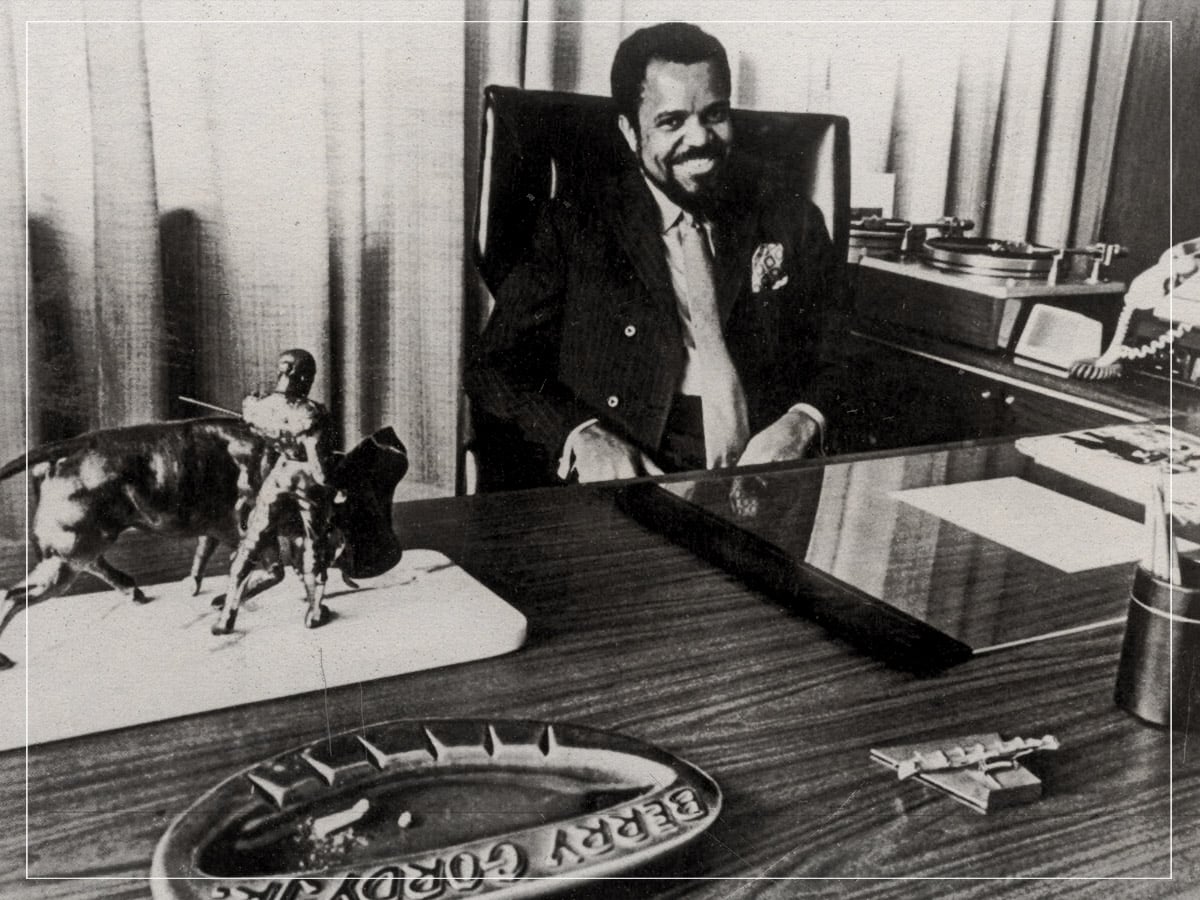
Yet even that brief moment caused disruption.
During rehearsals, Gordy repeatedly stopped the scene right before the kiss occurred.
Publicly, Gordy claimed he wanted the kiss to be captured authentically on camera—but Williams and Ross understood the truth.
Gordy simply did not want to see Ross kiss another man.
Ross herself reportedly grew frustrated, questioning why something so minor was being treated as a crisis.
To her, it was just a kiss—an acting requirement.
To Gordy, it was something far more personal.
Williams described Gordy’s behavior as “sweet but strange,” though the awkwardness left a lasting impression.
When the kiss finally happened during filming, Williams admitted he suddenly understood Gordy’s discomfort.
Ross, he said, was an exceptional kisser, and the moment felt “magical.”

In that instant, Williams confessed that if Ross had been his woman, he wouldn’t have wanted to see her kiss another man either.
Still, understanding did not erase resentment.
For Williams, Gordy’s interference crossed a line.
As an actor, he was doing his job.
Yet Gordy’s presence loomed over the set not just as a producer, but as a man emotionally unable to separate personal history from professional responsibility.

Williams made it clear that Gordy’s control extended beyond finances—he influenced creative decisions, pacing, and emotional tone, all with Ross as the focal point.
This imbalance created a tense filming environment where past romance collided with artistic necessity.
Despite the behind-the-scenes strain, Lady Sings the Blues became a major success.
Released in October 1972, the film earned five Academy Award nominations, including Best Actress for Ross.
Though she lost to Liza Minnelli (Cabaret), Ross’s performance was widely praised for capturing Billie Holiday’s emotional depth rather than imitating her vocal style.

The soundtrack topped the Billboard charts, and the film became one of the highest-grossing movies of the year.
For Motown, it marked a triumphant entry into film production.
For Ross, it launched a new acting career.
For Billy Dee Williams, it was a breakthrough that established him as a leading man.
But success did not erase memory.

Williams would later share these insights in Diana Ross: A Biography by J. Randy Taraborrelli, choosing his words carefully but unmistakably.
While he never accused Gordy of wrongdoing, the underlying frustration was clear.
Gordy’s emotional attachment to Ross—despite changed circumstances—had created unnecessary obstacles and uncomfortable moments that Williams never fully forgave.
Berry Gordy had spent years shaping Ross’s career, guiding her from teenage Supremes member to global superstar.
That influence never truly ended.
On Lady Sings the Blues, Gordy’s priority was not historical accuracy or artistic freedom—it was protecting Ross, showcasing her, and maintaining a sense of emotional ownership.

To Billy Dee Williams, that dynamic felt intrusive.
Though he remained professional and grateful for the opportunity, the experience left its mark.
Williams’ reflections suggest that his frustration with Gordy went beyond a single kiss.
It was about control, boundaries, and a powerful man unwilling to let go.
In the end, Lady Sings the Blues stands as both a cinematic triumph and a reminder that the most intense dramas often unfold behind the camera—where personal history can complicate even the most successful collaborations.


