Voices, Sirens, and Shutting Down Cities: The Protests Reshaping the Moment 🗣️
What began as isolated demonstrations has swelled into a wave of unrest stretching from coast to coast, with protests connected to U.S.
Immigration and Customs Enforcement dominating headlines, city centers, and political conversations.
In major metropolitan areas and smaller communities alike, streets once filled with routine traffic have transformed into gathering points for crowds carrying signs, chanting slogans, and demanding change.
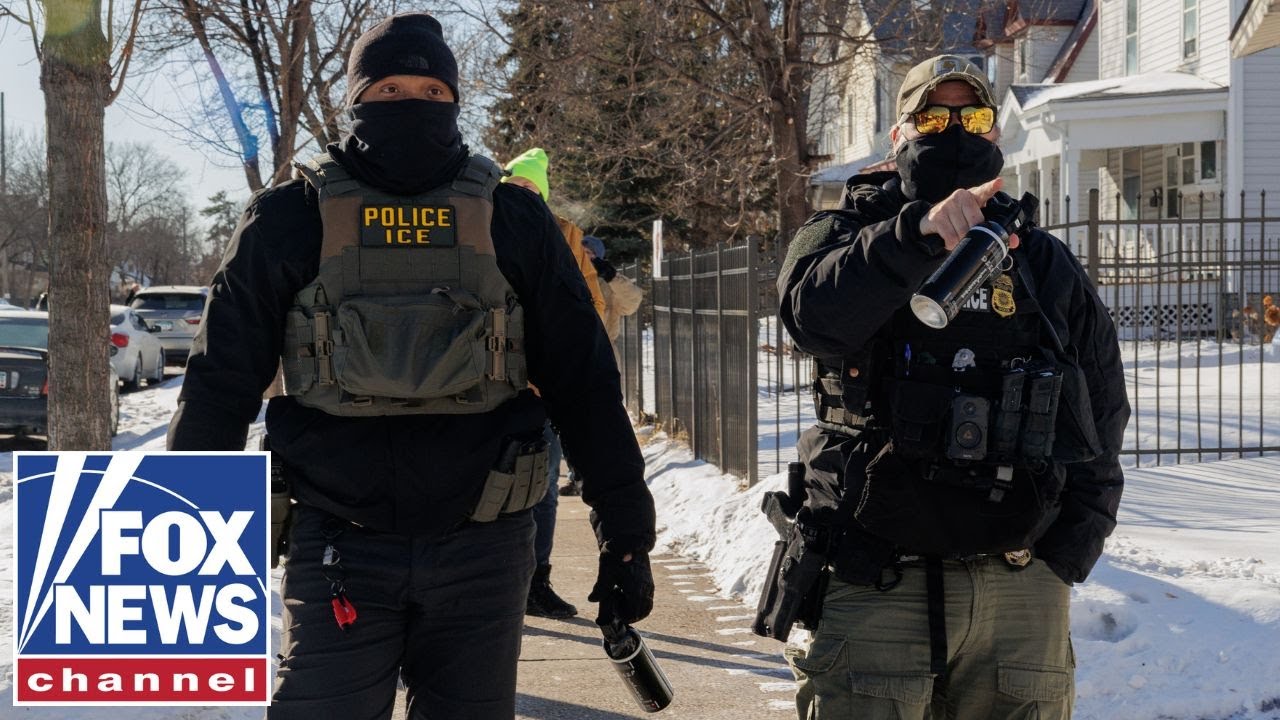
In some cities, the energy feels like a march.
In others, it feels like a standoff.
Helicopters circle overhead.
Police lines form under flashing lights.
The air carries a mix of urgency, anger, and determination as demonstrators press their message into the public square.
Organizers say the protests are fueled by frustration over enforcement policies, detention practices, and deportation actions they believe are tearing families apart.
Counter-voices argue that immigration laws must be upheld and that enforcement is a matter of national security and rule of law.
The spark for this latest surge traces back to a series of enforcement actions that quickly spread across social media.
Videos, firsthand accounts, and emotional testimonies circulated widely, galvanizing people who might otherwise have remained observers.
Within days, rallies that started with a few hundred participants grew into events drawing thousands.
Word traveled fast through activist networks, community groups, and online platforms, turning local outrage into a national moment.
Downtown corridors in several cities saw traffic halted as demonstrators flooded intersections.
Some groups staged sit-ins, linking arms across major roads.
Others marched in loops around government buildings, their chants echoing off glᴀss and concrete.
The soundscape shifted from car horns to megaphones.
Commuters found themselves rerouted or stuck, watching history unfold outside their windshields.
Law enforcement responses have varied by location.
In some areas, officers maintained a visible but restrained presence, escorting marches and managing traffic.
In others, tensions escalated.
Lines of officers in protective gear stood shoulder to shoulder as protesters approached, the space between them charged with uncertainty.
Isolated confrontations flared, with reports of scuffles, arrests, and the use of crowd-control measures in certain cities.
Officials stressed that their priority was public safety, while many demonstrators insisted their gatherings were largely peaceful.
For participants, the protests are deeply personal.
Some carry pH๏τos of relatives affected by immigration enforcement.
Others speak about broader principles of human rights, dignity, and belonging.
Stories shared on sidewalks and stages reveal a patchwork of experiences: families separated by detention, long legal battles, fear of sudden removal.
These narratives fuel the emotional core of the movement, turning policy debates into lived reality.
At the same time, critics of the protests argue that immigration enforcement agencies operate within legal frameworks set by elected leaders.
They contend that protests risk oversimplifying complex issues involving border control, asylum processes, and national sovereignty.
Political leaders have stepped into the fray, some voicing support for demonstrators’ concerns, others backing enforcement agencies and calling for order.
Media coverage has amplified the sense of a country in motion.
Aerial footage of packed avenues, livestreams from within crowds, and viral clips of tense exchanges have created a continuous stream of images.
The scale of visibility shapes perception, making the unrest feel immediate even to those far from the streets.
Social platforms act as accelerants, turning moments into movements within hours.
Local businesses feel the ripple effects.
Some storefronts close early on protest days, boarding up windows as a precaution.
Others hand out water to marchers, expressing solidarity.
Public transit schedules shift.
Schools and offices issue advisories.
Urban routines bend around the demonstrations, underscoring how civic action can disrupt daily life.
Despite the intensity, many protests have also featured scenes of solidarity and community.
Strangers share snacks, hold signs for one another, and help de-escalate heated exchanges.
Volunteer medics weave through crowds.
Legal observers document events.
These quieter acts coexist with louder confrontations, painting a complex picture that resists simple labels.
Behind the scenes, advocacy groups coordinate legal support for those arrested, while city officials weigh how to balance consтιтutional rights to ᴀssemble with concerns about safety and disruption.
Statements from mayors and governors reflect this tension, praising peaceful protest while condemning violence or vandalism where it occurs.
The line between expression and disorder becomes a focal point of debate.
The nationwide spread highlights how immigration remains one of the most emotionally charged issues in public life.
It touches idenтιтy, economics, security, and morality all at once.
Protests serve as pressure valves, allowing people to voice grievances in visible ways.
Whether they lead to policy shifts depends on political processes that move more slowly than street momentum.
Nightfall often brings a different atmosphere.
As daylight fades, the glow of streetlights mixes with flashing patrol cars.
Chants continue, but so does fatigue.
Some demonstrators head home, replaced by smaller groups that linger.
The mood can turn unpredictable, with authorities urging dispersal and organizers trying to maintain focus on nonviolent action.
Analysts note that protest waves often come in cycles, rising sharply around triggering events and then evolving into sustained advocacy or fading as attention shifts.
What distinguishes this moment is its breadth.
From coastal hubs to inland cities, similar scenes unfold with local variations but shared themes.
The connective tissue is a sense that something larger than a single incident is at stake.
As the days pᴀss, questions grow louder.
Will dialogue follow demonstration? Can policy conversations bridge the divide between enforcement priorities and humanitarian concerns? How will upcoming political decisions shape the trajectory? For now, the streets remain a barometer of public feeling, registering pressure in real time.
The image of crowded avenues, raised voices, and lines of officers encapsulates a country wrestling with itself.
Protests are messy, emotional, and often uncomfortable.
Yet they are also a longstanding feature of civic life, moments when private frustrations spill into public view.
In this unfolding chapter, immigration enforcement has become the focal point through which broader anxieties and hopes are expressed.
What happens next will depend on leaders, insтιтutions, and communities navigating a path forward.
But the scenes already etched into public memory — the marches, the standoffs, the chants echoing between buildings — show that for many, this is not an abstract debate.
It is a lived reality demanding attention now.


