ᴅᴇᴀᴅly Cyclone Gezani Batters Madagascar as Rescue Efforts Intensify
At least 20 people have been confirmed ᴅᴇᴀᴅ after Cyclone Gezani tore through Madagascar, according to the nation’s disaster management office, as rescue teams continue to search devastated communities cut off by floodwaters and debris.
Officials warned that the death toll could rise further as access is restored to remote areas heavily impacted by the storm.
Cyclone Gezani made landfall with powerful winds and torrential rain, slamming into coastal regions before pushing inland.
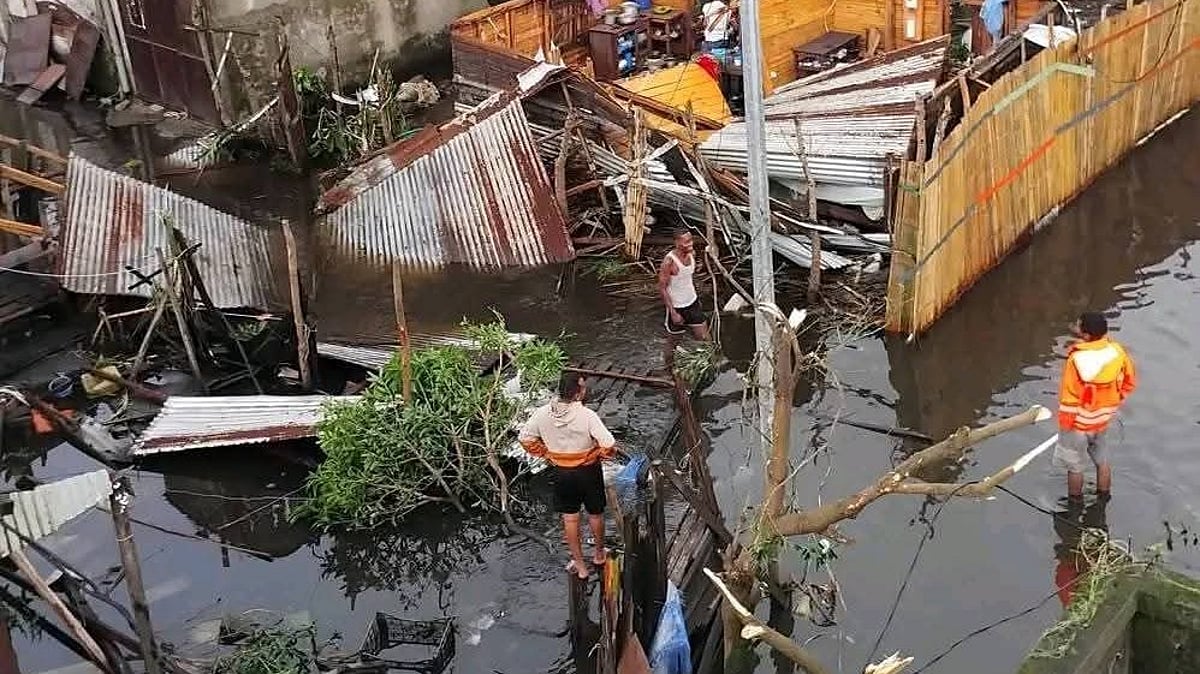
Entire villages were left battered as roofs were ripped away, fragile wooden homes collapsed, and roads were submerged under fast-moving water.
Rivers swelled rapidly, overflowing their banks and sweeping through low-lying settlements with little warning.

The disaster office reported that many of the fatalities were caused by flooding and structural collapses.
In some regions, residents were caught off guard by the speed at which water levels rose during the night.
Authorities described scenes of widespread destruction, with emergency responders struggling to navigate washed-out roads and fallen trees blocking critical routes.
In coastal districts, strong winds uprooted palm trees and tore through fishing communities, damaging boats and essential infrastructure.
The combination of storm surge and relentless rainfall compounded the devastation, particularly in areas where drainage systems are limited or nonexistent.
As Gezani weakened over land, it continued to dump heavy rain, triggering flash floods and landslides in elevated terrain.
Madagascar is no stranger to tropical cyclones, but each new storm compounds the vulnerability of communities still recovering from previous disasters.
The island nation’s long coastline and widespread poverty make it particularly susceptible to extreme weather events.
Many homes are built with lightweight materials that offer little resistance against hurricane-force winds.
Emergency crews have been working around the clock to rescue stranded residents and deliver humanitarian aid.
Helicopters and boats have been deployed in areas where roads are impᴀssable.
Relief supplies, including food, clean water, and medical kits, are being distributed to displaced families sheltering in schools and community centers.
Government officials have declared a state of emergency in the hardest-hit provinces, mobilizing national resources to support recovery efforts.

International aid organizations are coordinating with local authorities to provide additional ᴀssistance as ᴀssessments continue.
Power outages have affected thousands, further complicating response operations.
Communication networks were also disrupted in several regions, delaying the full ᴀssessment of damage.
Officials emphasized that restoring electricity and telecommunications remains a priority to facilitate relief coordination.
Health authorities are expressing concern about the potential outbreak of waterborne diseases in flooded communities.
Standing water and overcrowded shelters create conditions that increase the risk of illness.
Medical teams are urging residents to boil drinking water and avoid contaminated flood zones.
Meteorologists reported that Cyclone Gezani intensified over warm waters in the Indian Ocean before striking Madagascar.
The storm’s trajectory brought heavy rainfall across central and northern regions, where saturated soil heightened the risk of landslides.
Experts note that warming sea surface temperatures can contribute to the intensity of tropical cyclones, raising ongoing concerns about future storm seasons.
Images from affected areas reveal collapsed bridges, submerged farmland, and neighborhoods blanketed in mud.
Agricultural losses are expected to be significant, threatening food security in vulnerable districts.
Farmers who relied on seasonal harvests now face uncertainty as crops have been destroyed by floodwaters.
Families who lost loved ones are mourning amid the chaos of displacement.
Community leaders are organizing support efforts while urging vigilance as rivers remain swollen.
Authorities have warned residents to stay away from unstable structures and flooded roadways.
Despite the grim toll, stories of resilience are emerging.
Volunteers have formed human chains to evacuate neighbors from rising waters.
Local rescue teams have braved hazardous conditions to reach isolated hamlets.
In shelters, displaced families are sharing limited supplies and offering comfort to those grieving.
As floodwaters begin to recede in some regions, the scale of destruction is becoming clearer.
Engineers are ᴀssessing damaged infrastructure, while cleanup crews remove debris to reopen transportation routes.
The government has pledged to rebuild affected communities, though officials acknowledge that recovery will require sustained support.
Cyclone Gezani’s ᴅᴇᴀᴅly impact underscores the continuing vulnerability of Madagascar to extreme weather events.
With at least 20 lives lost and thousands affected, the nation now confronts the immense task of rebuilding while preparing for future storms.
For many families, the scars left by Gezani will endure long after the skies have cleared.


