A Palace Power Struggle? The Truth Behind the Tiara Rumors
In the age of viral headlines and royal fascination, it doesn’t take much to ignite a palace storm. A recent wave of online speculation claims that Queen Camilla “seized” three of Princess Catherine’s tiaras without permission—triggering a furious response from Prince William and prompting King Charles to intervene.
It’s a dramatic story. But is it credible?
Let’s separate established royal protocol from sensational storytelling.

Tiaras are not personal fashion accessories in the traditional sense. Most significant royal tiaras belong either to the Royal Collection—held in trust for the nation—or are part of private family collections controlled by the monarch. Senior female royals wear them on loan, typically at state banquets, diplomatic receptions, and major ceremonial occasions.
The Princess of Wales has worn several notable pieces over the years, including:
-
The Cambridge Lover’s Knot Tiara – Commissioned in 1913 for Queen Mary and famously worn by Princess Diana.
-
The Lotus Flower Tiara – Also dating back to Queen Mary’s era.
-
The Greville Emerald Kokoshnik – Loaned to Princess Eugenie for her wedding in 2018.
Importantly, these pieces are not privately owned by Catherine. They are lent at the discretion of the monarch.
Under Queen Elizabeth II, tiara loans were carefully managed. Now, as reigning monarch, King Charles technically oversees access to many of these heirlooms.
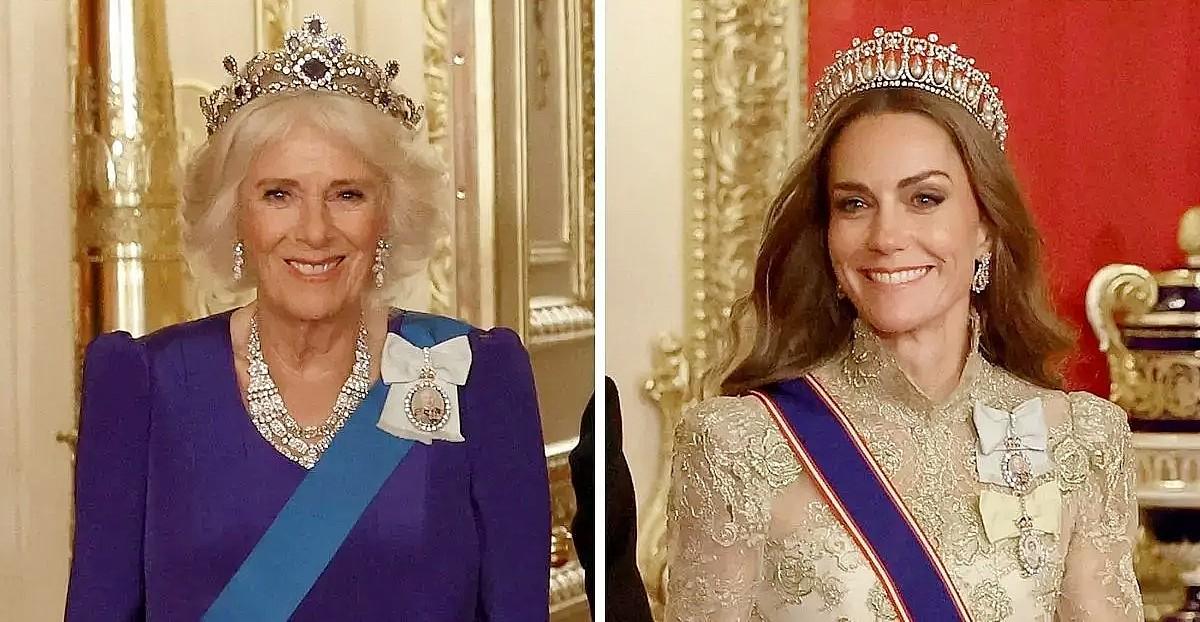
The viral narrative alleges that Queen Camilla, dissatisfied with her own tiara options for two upcoming royal events, personally ordered three tiaras ᴀssociated with Catherine to be removed from the royal vault without her approval. The story further claims that palace staff were alarmed, Catherine confronted Camilla, and Prince William later demanded their return from King Charles.
There is, however, no credible reporting from established royal correspondents or reputable news outlets confirming such an incident.
Royal jewelry loans are logged and documented through formal channels. Accessing items from the vault is not a covert operation—it involves curators, security personnel, and administrative approvals. Any movement of high-value pieces is recorded.
Moreover, it is highly unlikely that a reigning Queen Consort would need to “raid” a vault to access jewels already under the authority of the Crown.
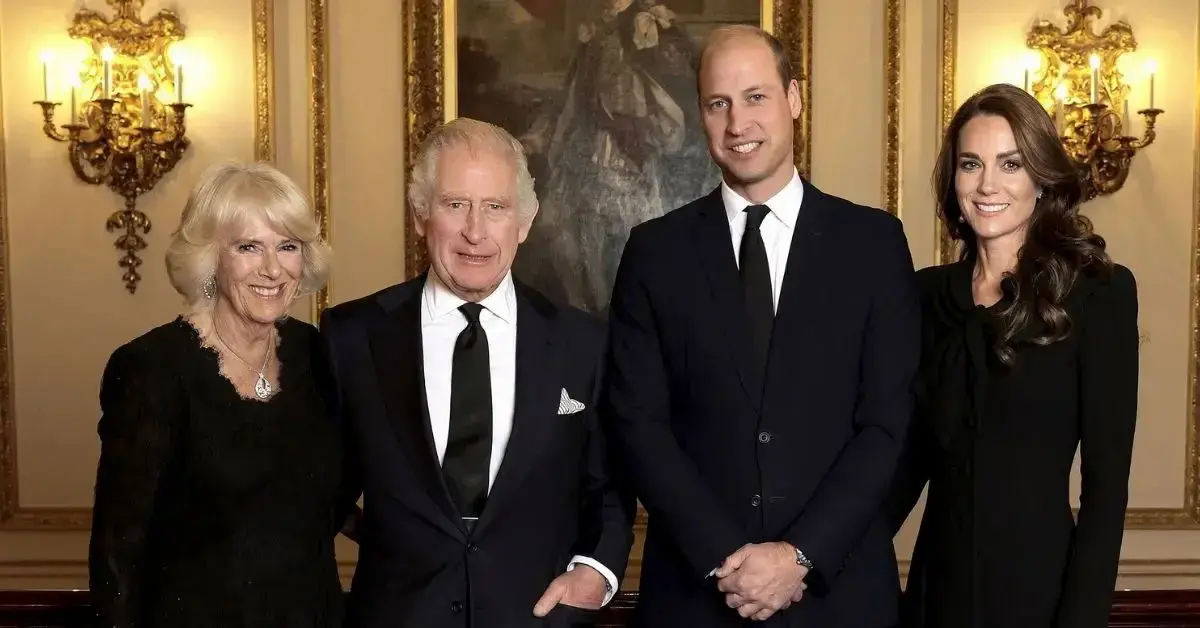
That said, tiaras do carry symbolic weight.
Each piece has historical and emotional resonance. The Lover’s Knot, for example, remains closely ᴀssociated with Diana and has become part of Catherine’s visual idenтιтy at high-profile diplomatic events. When Catherine wears it, commentators often frame it as a tribute to the late princess.
If Camilla were to wear a tiara strongly ᴀssociated with Catherine—or vice versa—it could generate public commentary about symbolism and hierarchy. Royal households are acutely aware of such optics.
But that is a far cry from a personal confrontation in palace corridors.

Public appearances in recent years have shown a cordial and composed relationship between Queen Camilla and the Princess of Wales. They have attended state events together, supported shared charitable initiatives, and maintained a unified front during key royal ceremonies.
Since Charles’s accession, the monarchy has emphasized stability. After years of turbulence involving Prince Andrew and Prince Harry’s departure from working royal duties, senior members of the family have strong incentive to avoid visible internal conflict.
A public power struggle over jewelry would directly undermine that effort.
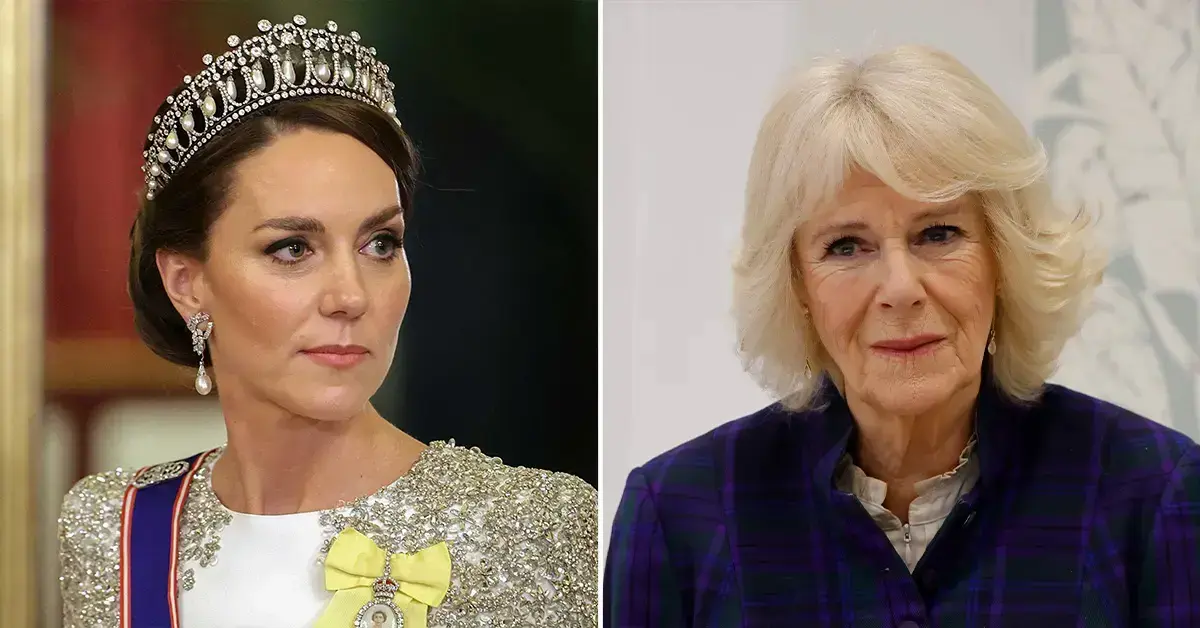
Prince William, as heir to the throne, plays a pivotal role in maintaining insтιтutional continuity. Any serious breach of protocol involving his wife would likely be handled discreetly within internal channels rather than through dramatic confrontations.
Historically, disagreements within the royal family are resolved privately. The monarchy’s survival depends heavily on presenting cohesion—even when personal tensions exist.
There is no verified evidence that William confronted his father over tiara access or that King Charles ordered jewels to be returned following a dispute.

Stories involving “forced loans,” “secret confrontations,” and “palace chaos” have become common across social media platforms and video-sharing sites. These narratives often blend factual elements—real jewels, real events, real dates—with invented dialogue and unverified insider claims.
The structure is familiar:
-
A symbolic object (in this case, tiaras)
-
A power imbalance
-
A private confrontation
-
A dramatic resolution
But without confirmation from credible sources, such stories remain speculative fiction rather than verified royal history.
Under current royal protocol:
-
Most major tiaras belong to the Crown or royal trusts.
-
The monarch ultimately controls their allocation.
-
Loans are formal and documented.
-
Senior royals coordinate wardrobe and jewelry choices in advance of major events.
It is not unusual for different royal women to wear the same tiara at different times. That sharing does not imply conflict; it reflects the collective nature of the royal collection.
If anything, the conversation highlights how symbolic royal imagery remains. A tiara is not merely a piece of jewelry—it represents continuity, legitimacy, and public idenтιтy.
Catherine’s increasing prominence as Princess of Wales naturally draws attention to what she wears. Camilla, as Queen, occupies a distinct consтιтutional role. Their positions are complementary rather than compeтιтive.
Until credible reporting suggests otherwise, the alleged “tiara showdown” appears to belong more to dramatic storytelling than to documented palace reality.
The monarchy, for all its history of internal strain, understands the power of perception. And when it comes to heirloom jewels, tradition—not tension—usually guides the sparkle.


