Viral Claim Shakes Capitol: Did Thomas Mᴀssie Really Read “Epstein’s 20 Clients” Into the Congressional Record?
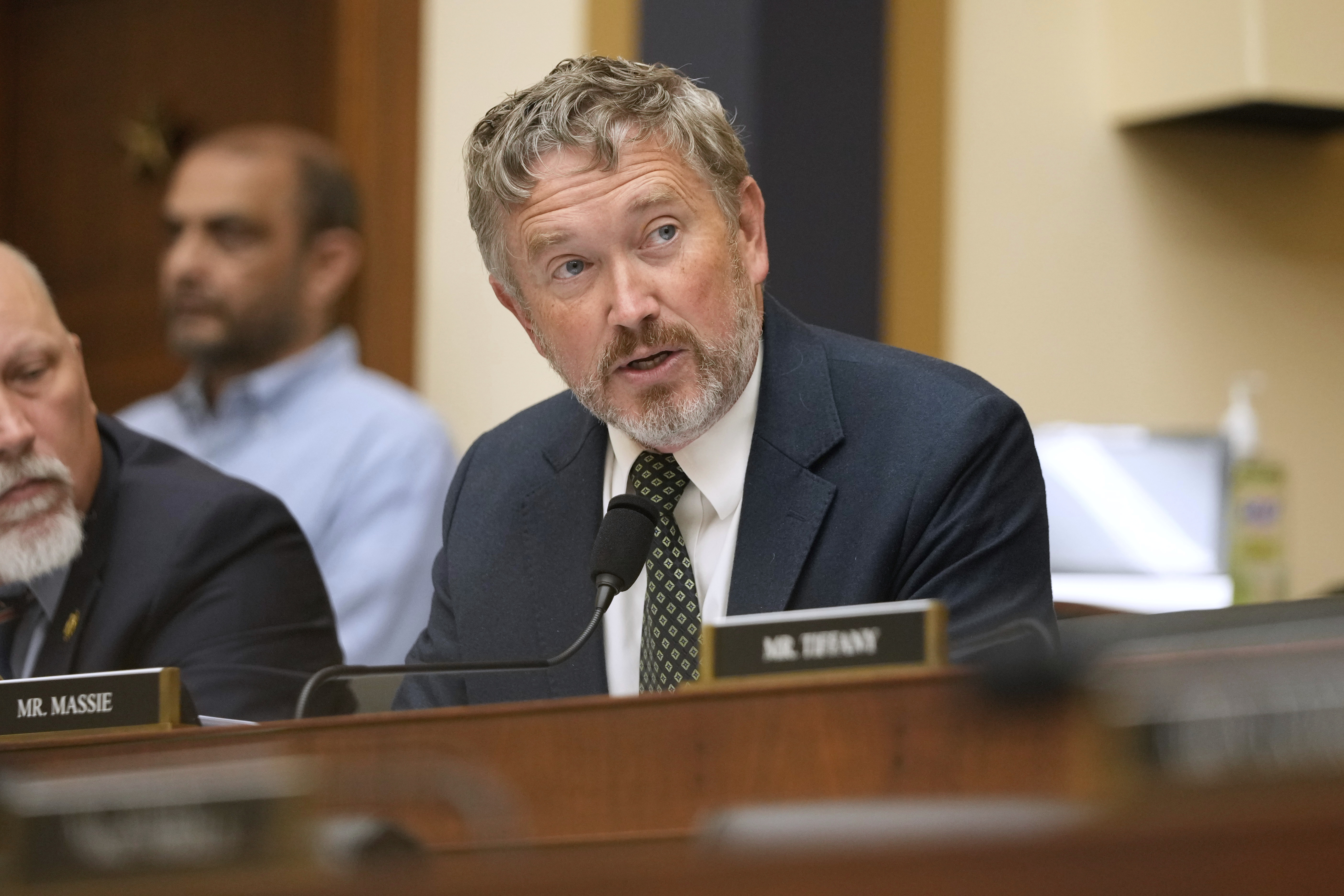
A viral YouTube video is making extraordinary claims: that Congressman Thomas Mᴀssie stood before Congress and read aloud the names of 20 alleged clients connected to Jeffrey Epstein, placing them permanently into the congressional record — and directly accusing a federal official of concealing the information.
According to the video’s narration, Mᴀssie dramatically presented a dossier containing dozens of pages of alleged evidence, naming senators, billionaires, foreign officials, and business leaders. The footage portrays a tense confrontation, with references to FBI files, flight manifests, financial records, and sealed investigations.
The claim is explosive. If true, such an event would represent one of the most significant political revelations in recent history.

However, as of now, there is no verified public record from official congressional transcripts, major news outlets, or credible investigative reporting confirming that such a session occurred or that these specific names were entered into the congressional record in the manner described.
No widely reported congressional hearing transcript reflects the dramatic exchange outlined in the video. Additionally, several of the individuals named in the clip do not appear to match known public officeholders or widely recognized figures, raising further questions about the authenticity of the narrative.
It is important to understand the broader context.

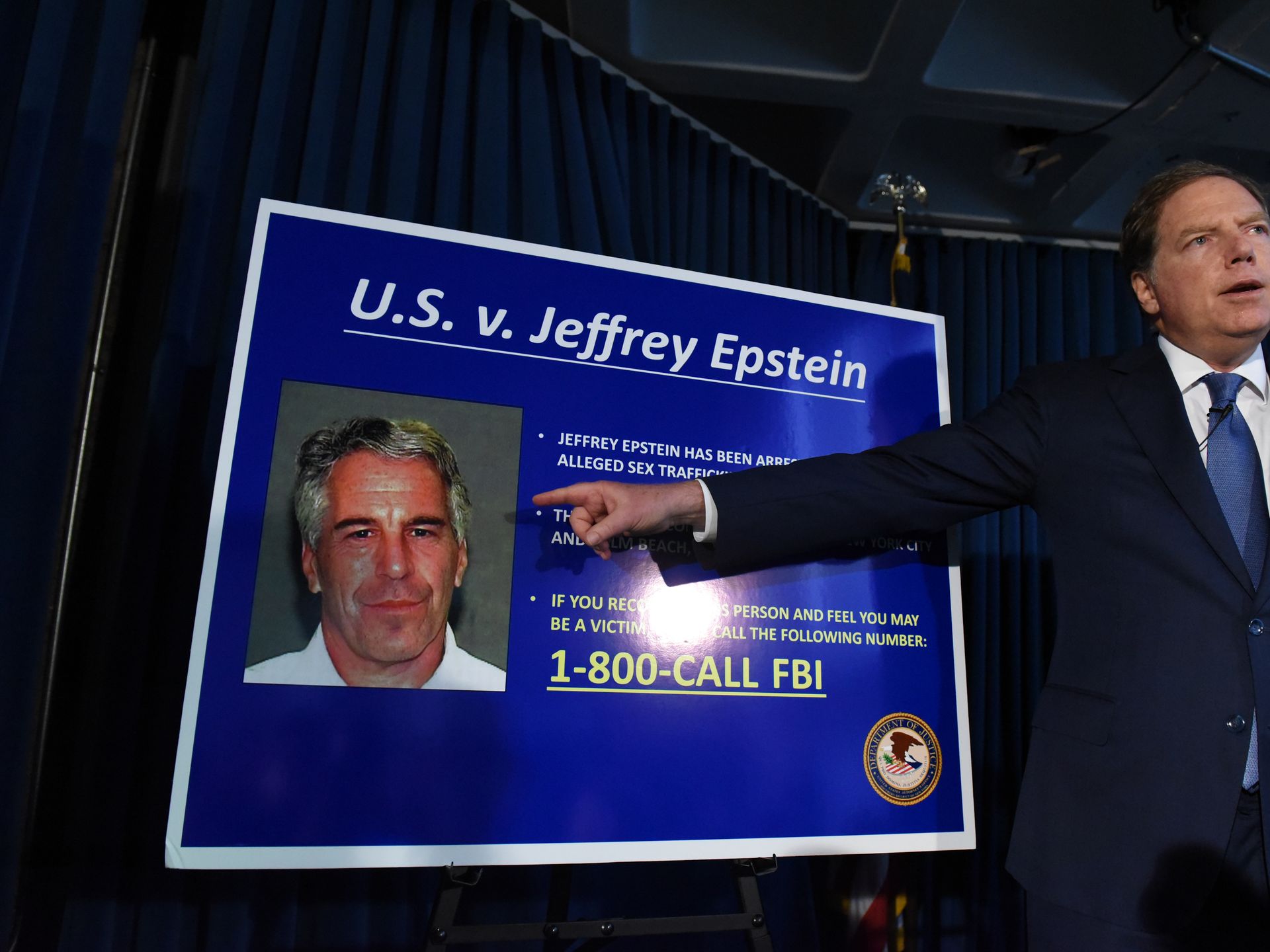
Jeffrey Epstein’s network has long been the subject of intense public scrutiny. Court documents, flight logs, and investigative reporting have identified various ᴀssociates, acquaintances, and individuals who interacted with him socially or professionally. However, ᴀssociation alone does not consтιтute criminal wrongdoing, and in many cases, individuals named in public documents have denied any knowledge of or involvement in illegal activity.
The viral video goes much further. It alleges the existence of a definitive “VIP client list,” claims that investigations were deliberately shut down, and ᴀsserts financial connections tied to political donations. These are serious allegations that, if substantiated, would require formal investigation and extensive corroboration.
Yet extraordinary claims require extraordinary evidence.
At present, no official FBI release, Department of Justice filing, or congressional press release confirms that such a list was formally presented in Congress as described. Major political news organizations have not reported on a session in which 20 previously undisclosed Epstein “clients” were read into the record in the dramatic fashion portrayed.
The structure and tone of the video also follow a familiar viral formula: rapid-fire allegations, dramatic pauses, references to sealed documents, and direct appeals for viewers to “like, share, and subscribe.” This style is common in highly produced political commentary content designed to drive engagement rather than present verified investigative findings.

It is also worth noting that naming private individuals in connection with criminal allegations — without charges, convictions, or verified documentation — can carry serious legal implications. In official proceedings, members of Congress are protected by the Speech or Debate Clause when speaking on the floor, but that protection does not extend to the broader media ecosystem repeating unverified claims.
Public frustration surrounding the Epstein case is understandable. Many Americans across the political spectrum have called for greater transparency regarding sealed records, investigative decisions, and prosecutorial outcomes. However, transparency efforts must rely on documented evidence, court records, and verified disclosures — not solely on viral narratives.
In today’s digital landscape, emotionally charged content can spread faster than official clarification. A dramatic claim, particularly one involving powerful elites and alleged cover-ups, can quickly gain traction before verification catches up.
This does not mean all claims of misconduct are false. It does mean that responsible analysis requires distinguishing between documented facts and unverified ᴀssertions.
If a sitting member of Congress had formally released a list of 20 alleged Epstein clients supported by official documentation, it would almost certainly dominate national headlines, trigger immediate legal responses, and prompt formal statements from the Department of Justice.
As of now, that has not occurred.

Viewers encountering such content are encouraged to check official congressional transcripts (which are publicly accessible), review reputable news reporting, and consult primary court documents before drawing conclusions.
The Epstein case remains one of the most troubling scandals in recent American history. But the pursuit of truth depends not only on exposure — it depends on verification.


