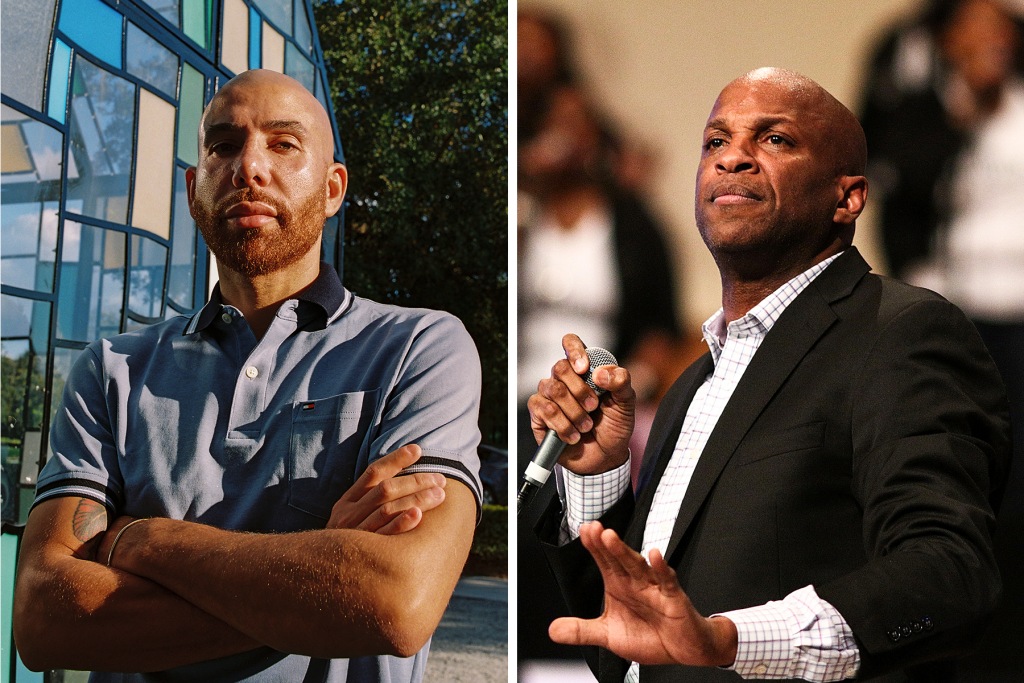
Donnie McClurkin Confronts Racism, Political Silence, and a Divided Church
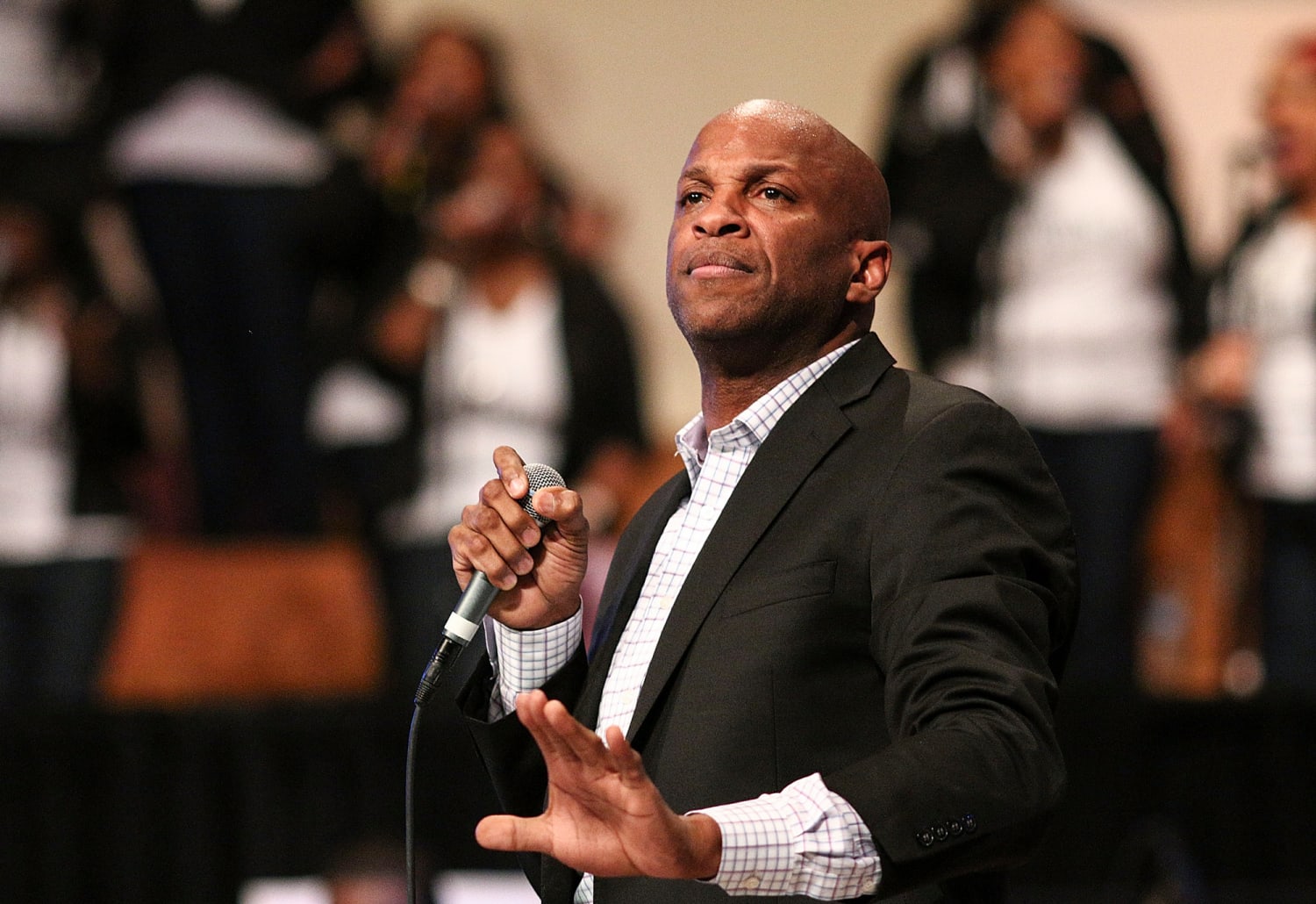
Gospel legend Donnie McClurkin is no stranger to bold declarations of faith.
But in a recent address that has sparked widespread discussion online, the Grammy-winning artist shifted from worship leader to prophetic voice — challenging racism, political hypocrisy, and what he described as a troubling silence within segments of the Christian community.
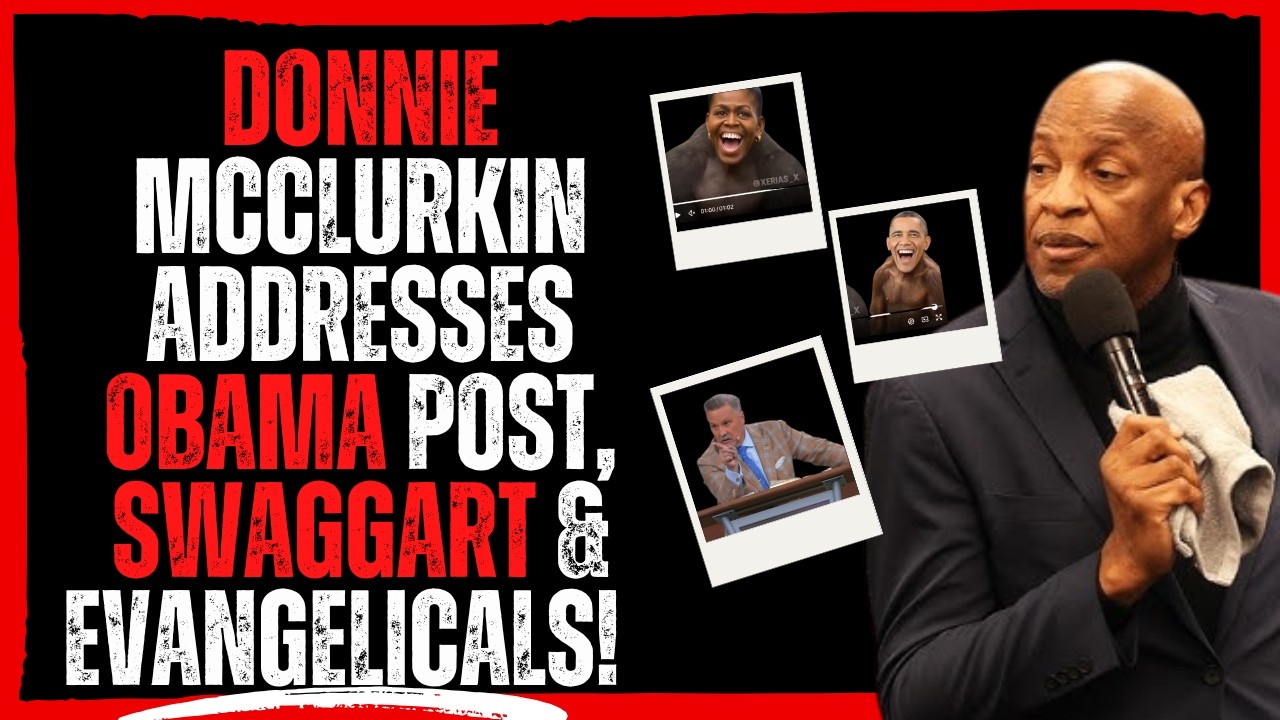
At the heart of his message was a pointed condemnation of a racially offensive image depicting former President Barack Obama and former First Lady Michelle Obama as monkeys — a comparison long recognized as a deeply racist trope.
“Just like it’s wrong to put the face of Michelle and Barack on two monkeys during Black History Month,” McClurkin said emphatically.
“Yes, I said it.”
His words drew immediate affirmation from those present.
But McClurkin made it clear that this wasn’t about partisan loyalty.
It was about moral clarity.
“You depict a former president — whether you liked him or not — in such a racially atrocious way and think that we won’t say anything?”
For McClurkin, the greater issue was not simply the image itself, but what he perceives as a pattern of silence or justification among some evangelical Christians when wrongdoing aligns with their political preferences.
“We can’t be so saved that we justify wrong,” he declared.
“I’m talking to the evangelicals out there. I’m talking to those who act like wrong is not wrong.”
Throughout his address, McClurkin reflected on what he described as a decade of increasing political and cultural tension in America.
He lamented what he sees as division within the broader Christian community, particularly along racial and political lines.
“We have a world that’s gone crazy and a Christian body that’s gone silent,” he said.
“We’ve got a world divided and a Christian body that’s divided.”
He distinguished between what he calls “religion” and the “true church.”
According to McClurkin, religion has become fragmented by politics and idenтιтy, while the true church — centered on Christ — should not be divided by race or party affiliation.
“The church is neither Black nor white,” he stated.
“The church is blood-washed by Jesus Christ. And the true church is not divided.”

In his view, partisan allegiance has led some believers to excuse behavior they would otherwise condemn.
“If you are Christian and cannot admit what is wrong, and because of your politics you cover that which is wrong on your party’s side, then you are unbalanced in your judgment,” he warned.
He went further, suggesting that blind political loyalty risks drifting into something spiritually unhealthy.
“You may be part of the cult that’s taking over,” he said, urging believers to return to what he described as Christ-centered values rather than partisan idenтιтy.
McClurkin also referenced past public criticisms of the Black church by white pastors, arguing that such statements often carry racial undertones.
He recalled moments when some religious leaders declared that the Black church was “on its way to hell,” comments he described as racially charged and widely accepted in certain circles.
“That was a racial attack,” he ᴀsserted.
“The church really isn’t Black or white.”
His broader message centered on unity — but not unity at the expense of truth.
“Anything that causes division is not of God,” McClurkin said.
“Anything that purports that wrong is right is not of God. I don’t care what seat of power they’re in. If they’re wrong, they’re wrong.”

In one of the most direct portions of his speech, McClurkin addressed immigration through a biblical lens.
“You’ve got to get back to welcoming the immigrants like the Bible said,” he urged.
“Receiving the foreigner like the Bible said.”
He reminded listeners that, aside from Indigenous peoples, most Americans are descendants of immigrants or enslaved individuals.
“Everything in this country except for the indigenous people are foreigners,” he said.
“Black, white, yellow, brown — immigrants or slaves.”
For McClurkin, these realities demand humility and compᴀssion rather than exclusion.
The overarching theme of his address was a call for spiritual recalibration.
“You’ve got to get back into Christ-centeredness,” he said.
“Get back into the Bible. Get back into loving Jesus. Get back to loving people.”

Rather than framing his remarks as an attack on any single political figure, McClurkin positioned them as a plea for moral consistency.
He expressed concern that the church’s public witness has been weakened by selective outrage and partisan compromise.
“We’ve lost our image.
We’ve lost our purpose,” he lamented.
The response to his message has been mixed.
Supporters praise him for speaking boldly against racism and political hypocrisy.
Critics argue that religious leaders should avoid political commentary altogether.
But for McClurkin, silence appears no longer acceptable.
“Cry loud. Spare not,” he quoted, invoking biblical language often ᴀssociated with prophetic confrontation.
In a time when faith and politics remain deeply intertwined in American public life, McClurkin’s remarks underscore a continuing tension: how believers navigate political realities without compromising spiritual principles.
Whether one agrees with his framing or not, his message resonates with a growing conversation inside churches across the country — a debate over truth, unity, race, and the responsibilities of faith in a divided nation.


