Born into immense wealth and glittering privilege, Edwina Mountbatten seemed destined for a life of effortless elegance. Yet beneath the gilded veneer of Mayfair mansions and royal connections lay a restless spirit—one marked by scandalous affairs, emotional turbulence, and a lifelong search for purpose.
Her story is one of stark contrasts: opulence and despair, fidelity and betrayal, love and loss—set against the backdrop of some of the twentieth century’s most pivotal events.
A Lonely Heiress

Edwina Cynthia Annette Ashley was born on November 28, 1901, into extraordinary wealth. Her father, Wilfrid Ashley, was a Conservative Member of Parliament, and her maternal grandfather, Sir Ernest Cᴀssel, was one of the richest financiers in Britain and a close adviser to the future Edward VII.
Despite this cocoon of luxury, Edwina’s childhood was marked by emotional neglect. Her parents were distant, absorbed in their own lives. When she was just eleven, her mother died of tuberculosis, leaving a wound that never truly healed. Her father soon remarried a much younger woman whose indifference to the girls deepened Edwina’s loneliness.
Sent away to boarding school, she was unhappy and teased. In desperation, she wrote to her beloved grandfather begging to be rescued. Sir Ernest responded with affection, bringing her to live at Brook House in Mayfair—one of London’s grandest residences, staffed by an army of servants.
Under her grandfather’s indulgent care, Edwina flourished. She became a poised hostess, moving comfortably among aristocrats, industrial magnates, and royalty. It was in this rarefied world that she met the man who would define much of her life.
Marriage to Mountbatten
Louis Mountbatten
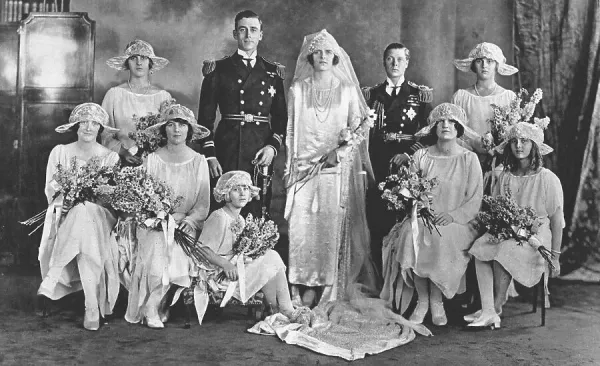
Handsome, ambitious, and superbly connected, Louis—known as “Dickie”—was a great-grandson of Queen Victoria and a rising naval officer. The couple married in July 1922 at St Margaret’s, Westminster, in a ceremony attended by royalty, including the Prince of Wales (later Edward VIII).
Just days before their engagement, Edwina had inherited her grandfather’s vast fortune, instantly becoming one of the wealthiest women in the world. Their six-month honeymoon was a glittering tour through Europe and America, where they mingled with Hollywood royalty like Charlie Chaplin.
To the public, they were the golden couple of the 1920s—young, glamorous, and impossibly well-connected.
But beneath the polished surface, cracks were already forming.
Love, Affairs, and Open Secrets
Mountbatten loved the navy and ambition. Edwina craved excitement, intimacy, and meaning. Though they had two daughters, including Patricia, both parents were frequently absent—he at sea, she in pursuit of stimulation.
Edwina embarked on numerous affairs, her lovers an open secret among the elite. One of the most significant was her relationship with Leslie “Hutch” Hutchinson, a celebrated Black cabaret singer whose liaison with a prominent aristocrat scandalized British society. The King himself reportedly intervened to suppress damaging press coverage.
Yet her most enduring emotional connection may have been with Jawaharlal Nehru.
Remarkably, the Mountbattens maintained a pragmatic arrangement. Louis would later admit, “Edwina and I spent most of our marriage getting into other people’s beds.” Yet they remained deeply bonded—partners in ambition and history, if not always in fidelity.
War and Transformation
When the Second World War erupted, Edwina initially underestimated its gravity. But as the Blitz intensified, she found a new calling.
She threw herself into humanitarian work with St John Ambulance, organizing nursing units, visiting bomb sites, and boosting morale in air raid shelters. For the first time, she seemed to discover something that society parties had never given her: purpose.
Her tireless efforts earned her the тιтle Dame Grand Cross of the Venerable Order of the Hospital of St John of Jerusalem. The restless heiress had become a capable, respected leader in wartime Britain.
India and a Historic Turning Point
Parтιтion of India
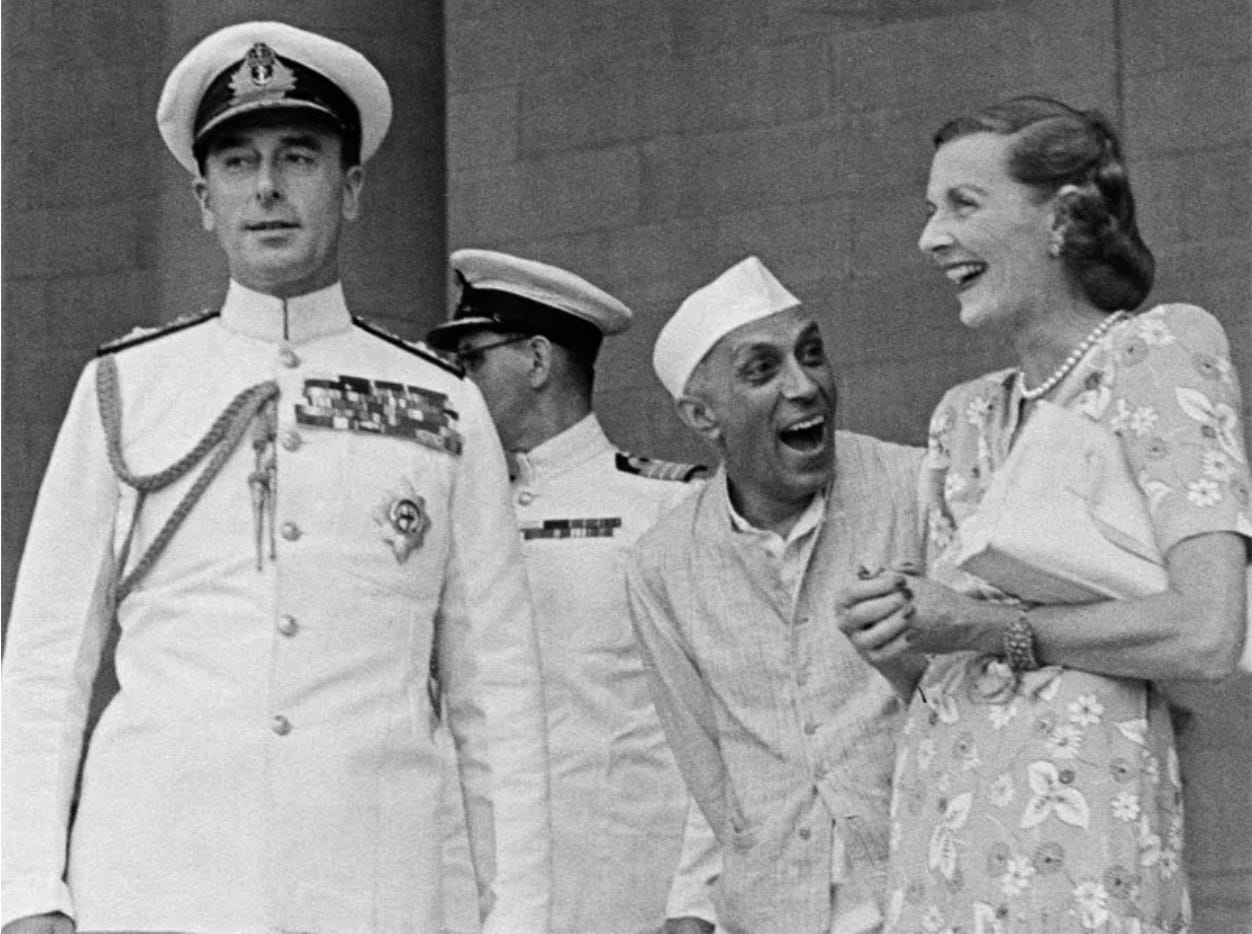
In 1947, the British government appointed Mountbatten as the last Viceroy of India, tasked with overseeing independence. The challenge was immense: rising communal tensions between Hindus and Muslims threatened to tear the subcontinent apart.
As India moved toward independence and parтιтion, Edwina surprised critics. She worked tirelessly in refugee camps, hospitals, and areas ravaged by violence. She comforted the displaced, visited the sick, and coordinated relief efforts.
Meanwhile, she and Jawaharlal Nehru formed an intense and deeply personal bond. Whether fully consummated or not, their relationship was emotionally profound. Their letters—pᴀssionate, intellectual, and intimate—spanned continents.
When parтιтion was abruptly implemented in August 1947, chaos erupted. Millions were displaced; up to a million people died in sectarian violence. Amid the political turmoil, Edwina ventured into dangerous zones to retrieve the wounded and comfort the dying.
Her compᴀssion in those months left a lasting impression on many Indians—even as controversy surrounded the Mountbattens’ role in the rushed transfer of power.
Final Years and Farewell
Despite returning to Britain, Edwina’s connection to Nehru endured. They continued to exchange letters and visit when possible. But the enforced distance weighed heavily on her.
On February 21, 1960, while on a St John Ambulance tour in Borneo, Edwina died suddenly in her sleep at age 58. She was found surrounded by Nehru’s letters.
Honoring her wishes, the Royal Navy buried her at sea in the English Channel. In a poignant gesture, Nehru sent an Indian naval vessel to lay a wreath of marigolds upon the waters at the same moment her husband cast his own tribute.
Mountbatten himself would meet a tragic end in 1979, ᴀssᴀssinated by the IRA.
A Life of Dazzling Contradictions
Edwina Mountbatten’s life defies simple judgment. She was at once a negligent mother and a devoted humanitarian; a scandalous socialite and a courageous war worker; a woman of immense privilege who risked her safety to serve refugees.
From the glittering halls of Mayfair to the blood-soaked fields of parтιтioned India, she navigated the stormy seas of her destiny with a grace that belied the tempest within.
In the end, hers was not merely a story of scandal—but of transformation. A woman born into wealth who spent her final years chasing something far rarer:
Meaning.


