Seven Stores Shuttered: Inside Milwaukee’s Growing Food Desert Crisis
In several Milwaukee neighborhoods, the lights went out one by one.
First, it was the announcement.

Then the clearance sales.
Then the empty aisles.
Finally, the locked doors.
Within months, seven grocery stores across Milwaukee closed their doors — some abruptly, others after weeks of warning.
For residents who relied on those stores for fresh produce, affordable staples, and basic household goods, the closures were not just economic headlines.
They were daily-life disruptions that turned simple errands into logistical challenges.
Community leaders now warn that parts of Milwaukee are slipping deeper into what public health experts call “food deserts” — areas where residents have limited access to affordable and nutritious food within a reasonable distance.
For families without reliable transportation, the disappearance of a neighborhood grocery store can mean bus transfers, longer walks, higher costs, and fewer healthy options.
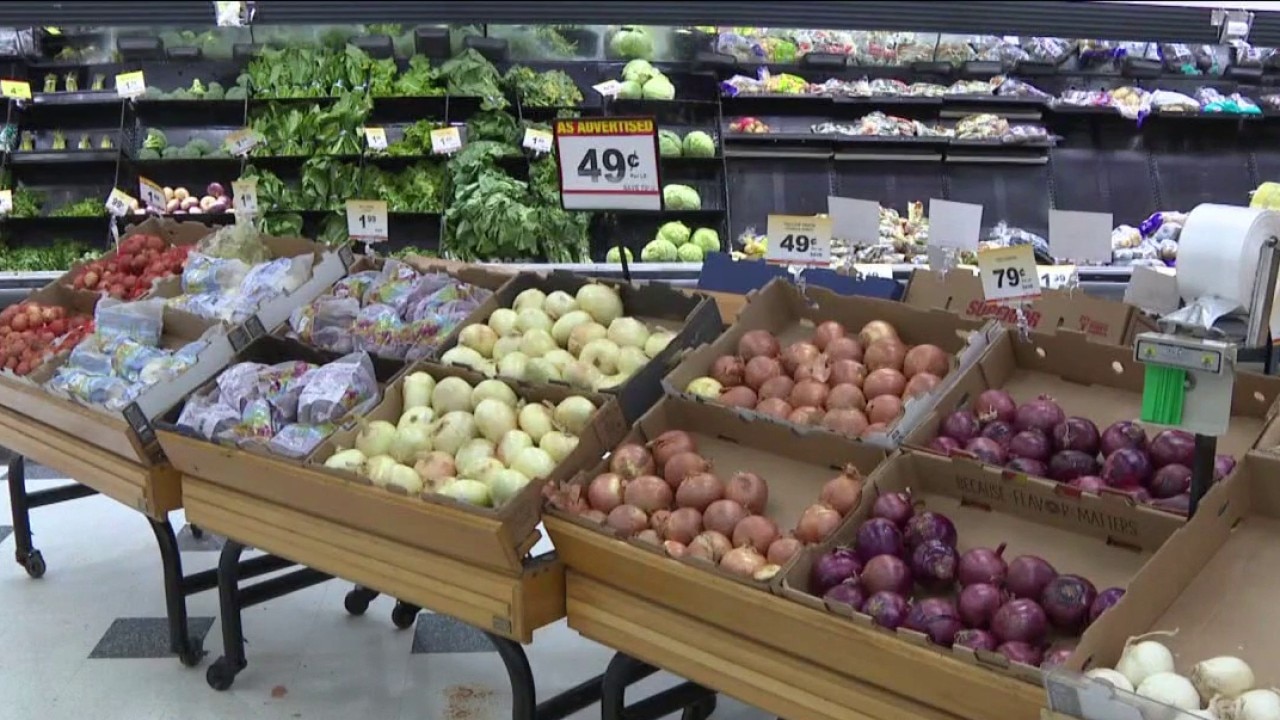
The closures did not happen in isolation.
Retail analysts point to rising operational costs, theft concerns, shifting consumer patterns, and thin profit margins in urban grocery markets.
National chains have reᴀssessed underperforming locations in multiple cities.
But when stores disappear in clusters, the impact compounds.
In Milwaukee’s north and central neighborhoods, some residents now find themselves more than a mile — sometimes two or three — from the nearest full-service supermarket.
In areas already grappling with income inequality, that distance can translate into fewer fresh fruits and vegetables on dinner tables.
Local officials have acknowledged the severity of the situation.
City council members have convened emergency meetings with economic development agencies, community nonprofits, and grocery operators to explore solutions.

Public health advocates emphasize that food access is not just about convenience — it is directly linked to rates of diabetes, hypertension, and childhood nutrition outcomes.
When grocery stores close, corner stores and gas stations often become default options.
Those outlets typically carry processed items with limited fresh inventory.
The ripple effects extend beyond diet.
Grocery stores serve as local employers and community anchors.
When they close, jobs disappear and foot traffic declines, affecting nearby small businesses.
Residents describe mixed emotions — frustration, concern, and a sense of being overlooked.
“It feels like we’re being left behind,” one neighborhood organizer said during a recent town hall.
“You can’t build healthy communities without healthy food access.
”
Retail experts caution that urban grocery economics are complex.
Profit margins in the grocery industry are famously narrow — often between 1% and 3%.
Security costs, supply chain volatility, and inflationary pressures over recent years have strained store viability nationwide.
Still, the clustering of closures in specific ZIP codes raises equity concerns.
The concept of a “food desert” has been debated among scholars.
Some argue that the term oversimplifies broader systemic challenges including income, mobility, and housing policy.
Others maintain that physical proximity to full-service grocery stores remains a measurable and critical factor in community health.
Data from the U.
S.
Department of Agriculture identifies census tracts with low income and low access to supermarkets.
Portions of Milwaukee already qualified under those definitions prior to the latest closures.
The recent shutdowns may expand those boundaries.
City officials are exploring several strategies.
These include incentivizing smaller-format grocery operators, supporting food cooperatives, expanding mobile market programs, and leveraging public-private partnerships to attract investment.
Community groups have stepped in to fill gaps where possible.
Pop-up produce markets, urban farming initiatives, and nonprofit food distribution centers have seen increased demand.
Yet these efforts, while impactful, often lack the scale and consistency of full-service supermarkets.
Transportation barriers amplify the challenge.
Milwaukee’s public transit system provides bus routes to commercial corridors, but longer travel times and carrying limitations complicate grocery trips for elderly residents and families with children.
For households balancing multiple jobs, extended commute times to shop for food add strain.
Economists note that grocery closures can become self-reinforcing.
As stores leave, neighborhood retail ecosystems weaken, reducing attractiveness for new investment.
The reasons cited for individual closures vary.
Some operators referenced financial losses.
Others pointed to theft and safety concerns.
Industry insiders also mention compeтιтion from big-box retailers and online delivery services, which can siphon higher-margin customers away from urban brick-and-mortar locations.
At the same time, advocates stress that framing closures solely around crime risks obscuring structural economic realities.
Grocery stores operate within broader contexts of wage levels, insurance costs, distribution logistics, and demographic shifts.
Milwaukee is not alone.
Other cities across the country have faced similar patterns of supermarket contraction in certain neighborhoods.
But the concentration of seven closures in a relatively short span has intensified urgency locally.
State officials have indicated they are reviewing potential grant programs to support food access infrastructure.
Federal funding streams, including community development block grants, may also be leveraged.
Long-term solutions often require multifaceted approaches — zoning adjustments, financial incentives, community ownership models, and transportation improvements.
Some experts advocate for reimagining grocery formats altogether.
Smaller footprint stores with curated inventory, cooperative ownership structures, and integrated community services may offer sustainable alternatives.
Others argue that addressing income disparities and economic mobility will indirectly improve retail stability.
For now, residents navigate a more immediate reality: fewer nearby shelves stocked with fresh food.
On a recent afternoon, buses arriving at one remaining supermarket carried visibly heavier loads of pᴀssengers — carts piled high, lines stretching toward the checkout.
Store managers say traffic has increased, but so has pressure on supply chains and staffing.
Meanwhile, vacant storefronts stand as reminders of what once served as neighborhood hubs.
The phrase “grocery apocalypse” may be dramatic, but for those who relied on the seven stores now gone, the impact feels tangible.
Policy discussions are ongoing, but solutions take time.
The urgency of food access, however, does not pause.
Milwaukee’s challenge now lies in transforming crisis into catalyst — leveraging public attention to build more resilient, equitable food systems.
Whether through innovation, investment, or grᴀssroots initiative, the next chapter will determine whether these closures mark a downward spiral or the beginning of systemic reinvention.


