From Oslo Scare to Amsterdam Blast — Is the Middle East Conflict Spilling Into Europe?
The quiet streets of Amsterdam were shaken by a sudden explosion that struck a Jewish school in the early hours of the morning, sending a chilling message across Europe and raising fears that escalating tensions linked to the growing conflict between Israel and Iran may now be reaching the continent itself.
The blast occurred shortly before dawn in a residential neighborhood in the southern part of the city, an area known for its peaceful atmosphere and its close-knit Jewish community.
Residents who were sleeping nearby were jolted awake by the sharp sound of the explosion echoing through the streets.
When police and firefighters arrived minutes later, they discovered damage along the exterior wall of the school building.
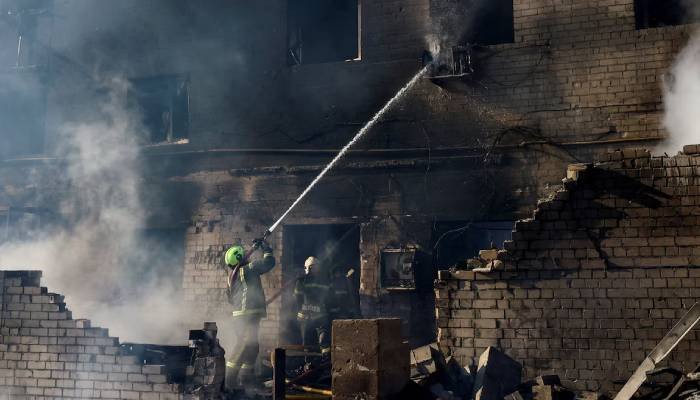
The explosion had charred parts of the facade and damaged nearby structures, but fortunately the school was closed at the time and no injuries were reported.

Even so, the attack sent shockwaves through the city.
Authorities quickly launched a large-scale investigation, treating the incident as a deliberate act targeting the Jewish community.
Amsterdam’s mayor described the explosion as a cowardly attack and condemned the violence, warning that antisemitism had been rising in the city and that such acts were unacceptable.
Investigators soon uncovered surveillance footage that revealed disturbing details about the moments leading up to the explosion.
According to police, at least one suspect approached the building during the night and placed an explosive device against the wall before fleeing the area.
Moments later, the device detonated, sending a blast wave across the quiet street.
Authorities believe the suspects escaped on a motor scooter immediately after planting the explosive.
Within hours of the attack, security forces across Amsterdam were placed on heightened alert.
Jewish schools, synagogues, and community centers in the city were given additional police protection as investigators searched for those responsible.
The explosion did not occur in isolation.
Just one day earlier, another explosive device had detonated at a synagogue in the Dutch port city of Rotterdam, triggering a fire and raising fears that Jewish insтιтutions were being deliberately targeted.
That incident resulted in arrests after authorities detained several teenagers suspected of involvement.
Meanwhile, in neighboring Belgium, another explosion earlier in the week damaged a synagogue in Liège, further intensifying concern that a troubling pattern of attacks was emerging across Europe.
Taken together, the incidents have prompted growing alarm among security officials who fear that rising geopolitical tensions are fueling violent acts far beyond the Middle East.
The backdrop to these events is the escalating war between Israel and Iran, a conflict that has already triggered political protests, cyberattacks, and waves of unrest in multiple countries.
Experts warn that conflicts in the Middle East have historically triggered spikes in antisemitic incidents around the world.
Recent monitoring groups reported that antisemitic incidents globally surged by more than thirty percent in the weeks following the outbreak of the Iran war.
Many of those incidents occurred in Europe.
In cities across the continent, demonstrations connected to the conflict have drawn large crowds, with tensions sometimes spilling into acts of intimidation or violence targeting Jewish communities.
Officials fear the Amsterdam attack could represent the most serious escalation yet.
Investigators are now analyzing forensic evidence recovered from the blast site while reviewing security footage from surrounding streets.
Authorities are also examining whether the suspects responsible for the Amsterdam explosion may have connections to individuals involved in the Rotterdam incident.
For many residents of the neighborhood where the school is located, the attack has shattered a sense of safety.
Neighbors described the area as quiet and family-friendly, a place where children walk to school and residents rarely worry about security threats.
One local resident said the explosion sounded like a thunderclap that echoed through the street.
Another resident reported seeing police vehicles and fire trucks rushing into the neighborhood within minutes, their flashing lights illuminating the normally peaceful area.
Parents of students who attend the school expressed relief that the building was empty at the time of the blast.
Had the attack occurred during school hours, the consequences could have been far more devastating.
Community leaders quickly organized emergency meetings to discuss security measures.
Some schools temporarily closed their doors while authorities evaluated potential threats.
Meanwhile, investigators across the Netherlands began working with national security agencies to determine whether the attack was linked to extremist networks or organized groups.
Officials have not yet announced a confirmed motive.

However, the targeting of Jewish insтιтutions has raised concerns that the attack may have been driven by antisemitic ideology or by individuals attempting to retaliate for events unfolding in the Middle East.
Security experts warn that such attacks can occur when international conflicts become emotionally charged and polarizing.
In those moments, individuals or small extremist groups sometimes attempt to bring distant conflicts into their own countries through symbolic acts of violence.
European governments are now watching closely.
Interior ministries across several countries have begun reviewing security at Jewish schools and religious centers.
In some cities, armed patrols have been deployed near synagogues as a precautionary measure.
Officials stress that protecting Jewish communities is a priority and that those responsible for attacks will be pursued aggressively.
Despite the damage caused by the explosion, community leaders in Amsterdam have emphasized resilience.
Representatives of the Jewish community said they refuse to allow fear to dictate their lives.
The school that was targeted has announced plans to reopen after security checks are completed, sending a message that intimidation will not succeed.
Still, the attack has left a lingering question echoing across Europe.
If tensions from the Middle East are beginning to spark violent incidents on European soil, the continent could be entering a new and dangerous phase of geopolitical spillover.
For now, investigators continue searching for the suspects responsible for the Amsterdam blast.
And across Europe, security officials remain on alert, hoping to prevent the next attack before it happens.


