The story of “Operation Iron Threshold” has rapidly gained attention online, presenting itself as one of the largest criminal takedowns in American history. It describes a sweeping federal operation across multiple states, a deeply embedded corruption network, and a police chief allegedly at the center of a multibillion-dollar criminal enterprise. However, despite its dramatic detail and confident tone, there is currently no verified evidence from credible law enforcement or mainstream reporting that confirms the operation as described.
At first glance, the narrative appears structured like an official case briefing. It includes precise timestamps, coordinated raids, detailed seizure numbers, and named agencies such as the FBI, DEA, and ICE. These elements give the story a sense of authenticity. But this level of cinematic detail—combined with the absence of corroborating records—raises immediate red flags.
Major federal operations of this scale do not remain hidden.

A case involving 340 arrests, billions in alleged money laundering, dozens of corrupt officers, and a police chief indicted on federal charges would dominate national headlines. It would involve press conferences, court filings, and extensive documentation. None of these exist in verifiable public records tied to the specific names, enтιтies, or operation described in the narrative.
This does not mean that the themes in the story are entirely fictional.
Drug trafficking networks, particularly those involving fentanyl, are a serious and ongoing issue in the United States. Law enforcement agencies regularly conduct large-scale operations targeting narcotics distribution, money laundering, and human trafficking. Corruption within insтιтutions, while relatively rare, has also occurred in documented cases. There have been instances where individual officers or officials were found to be cooperating with criminal organizations.
However, the scale and coordination described in this story go far beyond any confirmed case.
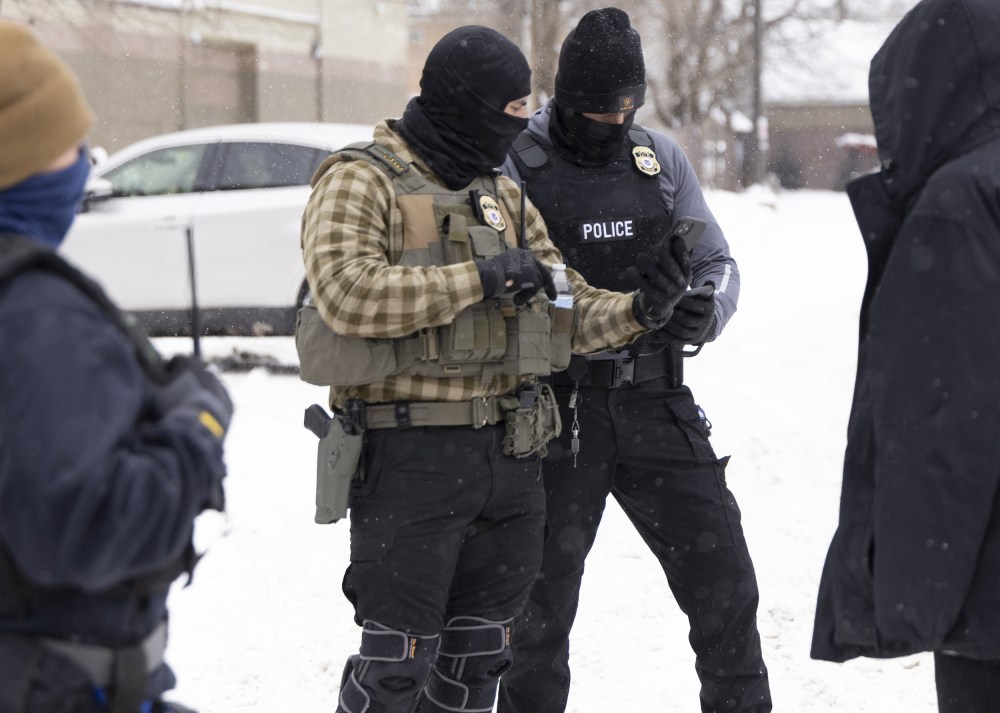
The claim of $9.3 billion in laundered funds tied to a single regional network is extraordinarily high and would place the operation among the largest financial crimes ever recorded in the country. Similarly, the idea of dozens of active officers, judges, and legislators all connected within one coordinated criminal structure would represent an unprecedented level of systemic infiltration—one that would almost certainly trigger national-level investigations and oversight.
One of the most striking elements is the alleged “ᴅᴇᴀᴅ man’s switch” designed to expose undercover federal agents if the police chief were arrested.
While criminal organizations have used encryption and contingency planning, the specific scenario described—automatic exposure of over 200 federal agents across multiple states—would consтιтute a catastrophic national security breach. Such a development would not remain confined to a single narrative; it would immediately become a matter of urgent federal response and widespread reporting.
The story also introduces a hidden militia embedded within law enforcement, with hundreds of members operating covertly.
This claim moves the narrative from organized crime into the realm of systemic takeover. Again, while infiltration and corruption can occur, the existence of a coordinated, multi-state paramilitary structure operating inside official agencies would require extensive evidence. As of now, no such evidence has been publicly confirmed.
Another key aspect is the emotional framing.
The narrative incorporates personal stories—victims of fentanyl overdoses, trafficked individuals, and disillusioned officers—to create a powerful emotional impact. These elements are grounded in real-world issues, but they are used here to reinforce a larger storyline that lacks independent verification.
This blending of real concerns with unverified claims is what makes the story particularly compelling—and potentially misleading.
It taps into genuine fears about crime, corruption, and insтιтutional failure, then amplifies them into a scenario that feels plausible but is not supported by documented facts.

It is also important to note how the story is presented.
The pacing, language, and structure closely resemble scripted storytelling rather than investigative reporting. Phrases like “this changes everything” and “stay with me” are typical of content designed to maintain engagement rather than convey verified information. The inclusion of precise yet unverified details further enhances the illusion of authenticity.
In contrast, legitimate reporting on federal operations tends to rely on sourced statements, documented evidence, and verifiable data.
When evaluating claims of this magnitude, the standard should be clear: extraordinary claims require extraordinary evidence. Without confirmation from credible sources—such as official agency releases, court documents, or established news organizations—the story remains unverified.
This does not diminish the seriousness of the issues it references.
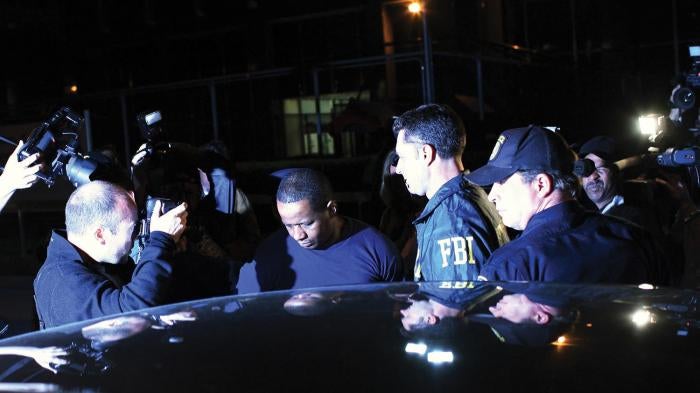
Fentanyl trafficking continues to have devastating consequences across the United States. Human trafficking remains a critical concern, and law enforcement agencies are actively working to combat both. Public trust in insтιтutions is also an ongoing topic of debate, particularly when cases of misconduct arise.
But addressing these real problems requires accurate information.
Stories that exaggerate or fabricate details can distort public understanding, making it harder to distinguish between actual threats and narrative-driven content. They can also undermine trust by presenting unverified claims as established fact.
In the end, the “Operation Iron Threshold” narrative appears to be a constructed story built around real-world themes rather than a documented event.

It reflects genuine anxieties about crime and corruption, but it does so through a lens that prioritizes drama over verification. Until credible evidence emerges to support its claims, it should be approached with caution.
The truth about organized crime and law enforcement is complex enough on its own. It does not need embellishment to be significant.


