In a shocking revelation that has sent ripples through the law enforcement community and the transportation industry, federal agents have dismantled one of the largest drug trafficking networks in Texas history.
What seemed like a legitimate logistics company, “Frontier Transport Solutions,” based in Houston, was actually a sophisticated front for the infamous Sinaloa Cartel.
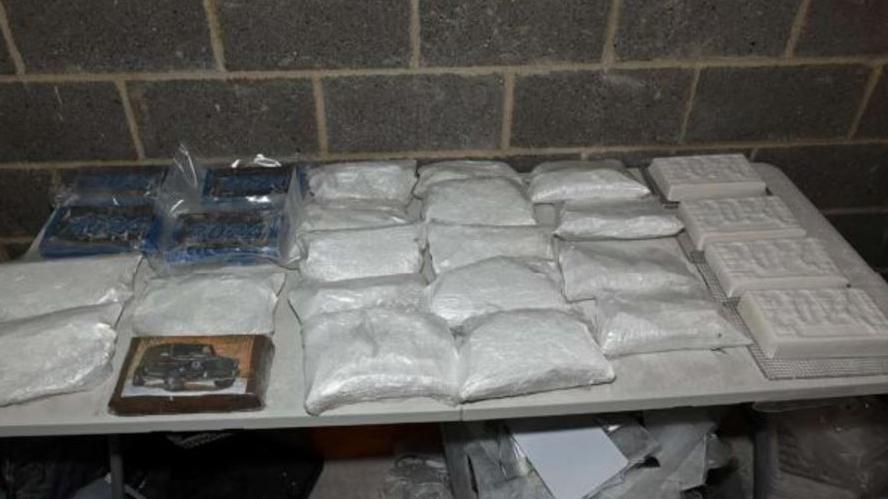
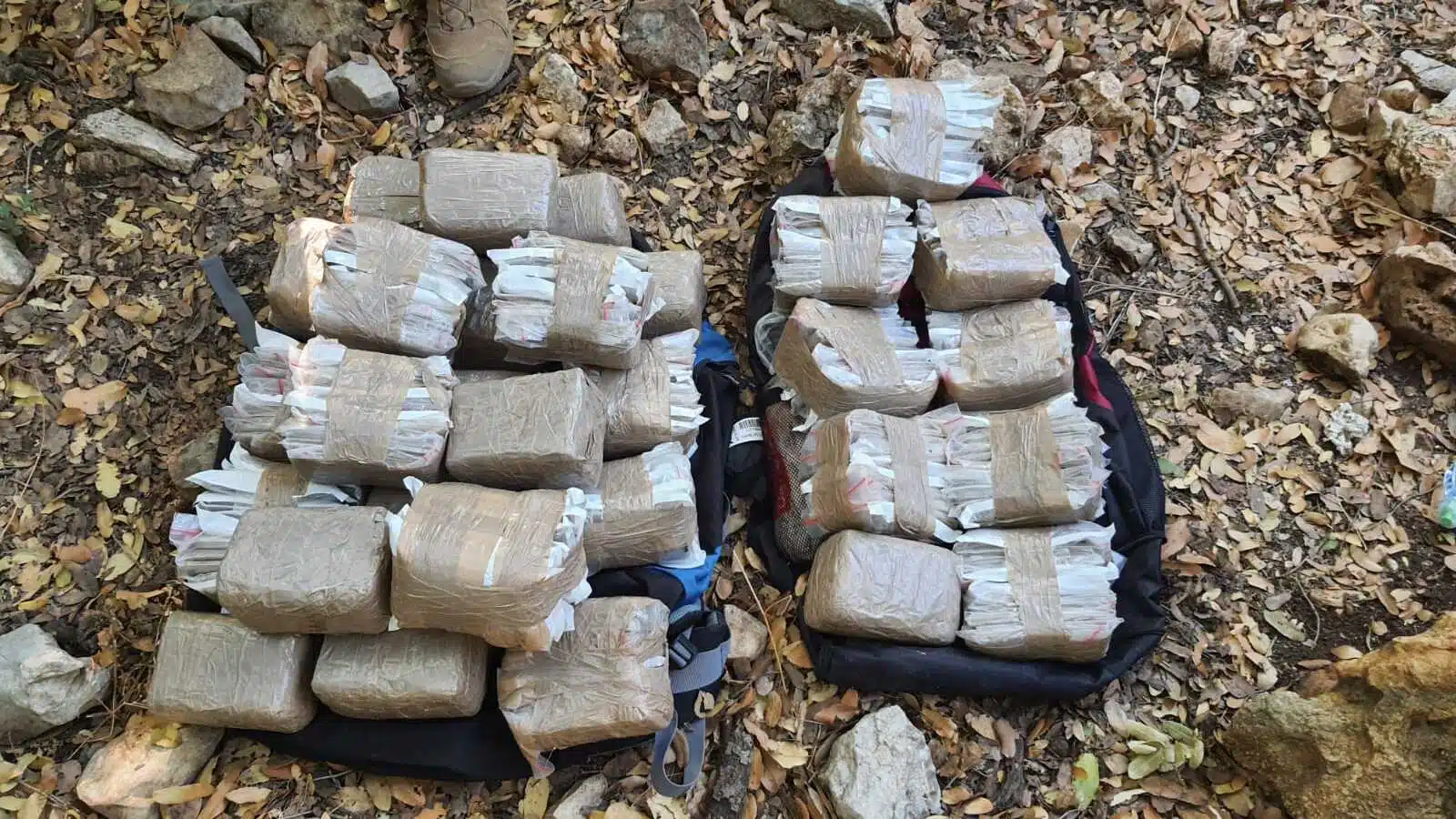
Over a staggering four-year period, this operation smuggled approximately 48 tons of methamphetamine into American communities, showcasing a chilling vulnerability in the nation’s supply chain.

The Operation Unveiled
At the helm of this criminal enterprise was Robert Chen, a man who utilized his industry expertise to orchestrate a drug trafficking operation worth over $480 million.
With a fleet of 180 commercial vehicles, each equipped with custom-engineered hidden compartments, Chen was able to move narcotics across the country, all while maintaining the facade of a legitimate business.
The scale of this operation is both breathtaking and terrifying, raising serious questions about the integrity of the transportation industry.
The Investigation
The investigation, led by the FBI, uncovered deep-rooted corruption that extended into law enforcement itself.
Among those implicated were a Border Patrol agent and a police officer who accepted thousands of dollars in bribes to protect the shipments.
This level of corruption highlights a systemic issue within certain sectors of law enforcement, where the allure of easy money can lead to devastating consequences for communities.
During the coordinated raids, agents seized an astonishing $847,000 in cash from Chen’s residence.
Additionally, they discovered digital ledgers that detailed the extensive operations of this criminal enterprise.
These ledgers painted a vivid picture of the inner workings of a drug trafficking network that thrived under the radar, exploiting the very systems designed to protect society.

The Aftermath
Robert Chen has since been sentenced to life imprisonment without the possibility of parole.
However, the repercussions of this case extend far beyond one man’s conviction.
It serves as a wake-up call, illuminating the vulnerabilities that exist within the transportation industry and the potential for legitimate businesses to be exploited for nefarious purposes.
As millions of tons of cargo traverse the nation’s highways daily, the question remains: how can the transportation industry better screen for these “embedded” criminal operations?
A Call to Action
This case has sparked a significant debate about the need for enhanced scrutiny and regulations within the logistics sector.
Industry leaders and policymakers must come together to develop comprehensive strategies to prevent similar operations from taking root.
Implementing stricter background checks, increasing transparency in business operations, and fostering collaboration between law enforcement and the transportation industry are essential steps in combating this issue.
Moreover, there is a pressing need for training programs aimed at educating employees about the signs of criminal activity and the importance of reporting suspicious behavior.
By creating a culture of vigilance and accountability, the transportation industry can help safeguard itself against exploitation by organized crime.
Community Impact
The impact of this drug trafficking operation on local communities cannot be overstated.
The influx of methamphetamine has devastating effects on individuals and families, leading to addiction, crime, and a breakdown of social structures.
Communities across the nation are grappling with the fallout from drug abuse, and operations like Chen’s only exacerbate these challenges.
It is crucial for communities to engage in discussions about the broader implications of drug trafficking and to advocate for policies that address addiction and support recovery.
By fostering a collaborative approach between law enforcement, community organizations, and healthcare providers, we can work towards a more holistic solution to the drug crisis.
Conclusion
The dismantling of the Frontier Transport Solutions operation is a stark reminder of the lengths to which criminal enterprises will go to exploit legitimate businesses.
As the transportation industry continues to evolve, it must prioritize integrity and security to protect itself from becoming a vehicle for crime.
The lessons learned from this investigation should serve as a catalyst for change, prompting industry leaders and lawmakers to take decisive action against the threat of drug trafficking.
Together, we can build a safer, more resilient transportation network that serves the needs of our communities without succumbing to the shadows of organized crime.
In the end, the battle against drug trafficking is not just a law enforcement issue; it is a societal challenge that requires collective action and unwavering commitment.
Let us remain vigilant and proactive in our efforts to protect our communities and ensure a brighter future for all.


