ᴀssault on the Supreme Leader’s Fortress
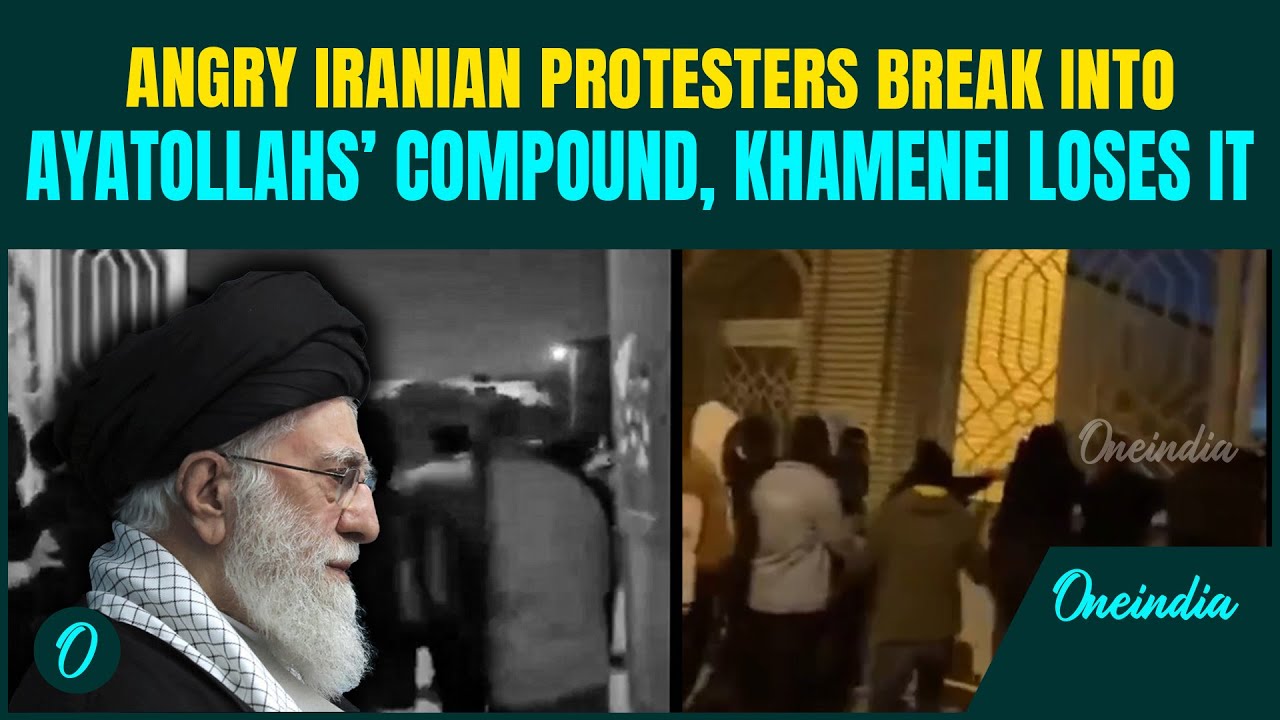
In the early hours of February 23, 2026, reports began circulating of explosions in central Tehran near one of the most heavily guarded sites in the Islamic Republic: the headquarters and residential compound of Supreme Leader Ayatollah Ali Khamenei.
Opposition-linked outlets claimed that armed fighters affiliated with the People’s Mojahedin Organization of Iran (MEK) launched a coordinated ᴀssault on the compound and nearby government insтιтutions, engaging in hours-long clashes with Islamic Revolutionary Guard Corps (IRGC) forces.
According to these accounts, the attack began around 6:00 a.m. local time, with simultaneous explosions reported in the Pasture district—home not only to Khamenei’s residence but also to the Supreme National Security Council and other core state insтιтutions.

Regime-affiliated news sites acknowledged hearing explosions but offered limited detail, fueling speculation across social media and opposition channels.
What makes the claims extraordinary is the scale of the alleged breach.
Khamenei’s compound is protected by multiple concentric security perimeters, reinforced concrete walls, anti-drone barriers, and overlapping guard units.
Estimates suggest that up to 8,000 personnel from various IRGC and elite protection corps are tasked with securing the broader complex.
These include the Vali-e Amr Protection Corps, responsible for the Supreme Leader’s personal safety, and the Ansar al-Mahdi Corps, which manages outer defensive rings extending hundreds of meters from the core buildings.

Opposition sources allege that MEK fighters penetrated at least two security perimeters, engaging in sustained firefights that lasted until the afternoon.
More than 100 attackers were reportedly killed or arrested, while others withdrew after what they described as a “mission accomplished”—demonstrating the vulnerability of the regime’s most symbolically powerful site.
Independent verification of these claims remains limited.
Iranian state media has not confirmed a large-scale armed breach but did acknowledge heightened security activity in parts of Tehran.
Residents reported school closures, traffic restrictions, and visible deployments of anti-riot vehicles and security forces in the vicinity.
Helicopters were observed flying low over the district several hours after the first reported explosions, suggesting a significant security response.
Whether this was a full-scale coup attempt, a limited militant operation, or a heavily amplified confrontation remains unclear.
However, the political context surrounding the incident is impossible to ignore.
Iran has faced months of renewed unrest following a ᴅᴇᴀᴅly crackdown in January 2026, during which activists claim thousands were killed in nationwide protests.
Human rights organizations have struggled to confirm exact casualty figures, but reports of mᴀss detentions, internet blackouts, and lethal force have deepened domestic anger and international scrutiny.
Khamenei himself has characterized recent unrest as resembling an organized coup effort aimed at destabilizing the Islamic Republic’s core insтιтutions.
In speeches, he has accused unnamed foreign and domestic actors of targeting “sensitive and effective centers of governance.”
If armed opposition fighters did in fact reach the vicinity of his residence, it would lend dramatic weight to those warnings.
The incident also arrives amid heightened speculation about succession.
At 86 years old, Khamenei has reportedly established contingency plans for leadership transition in the event of his death.
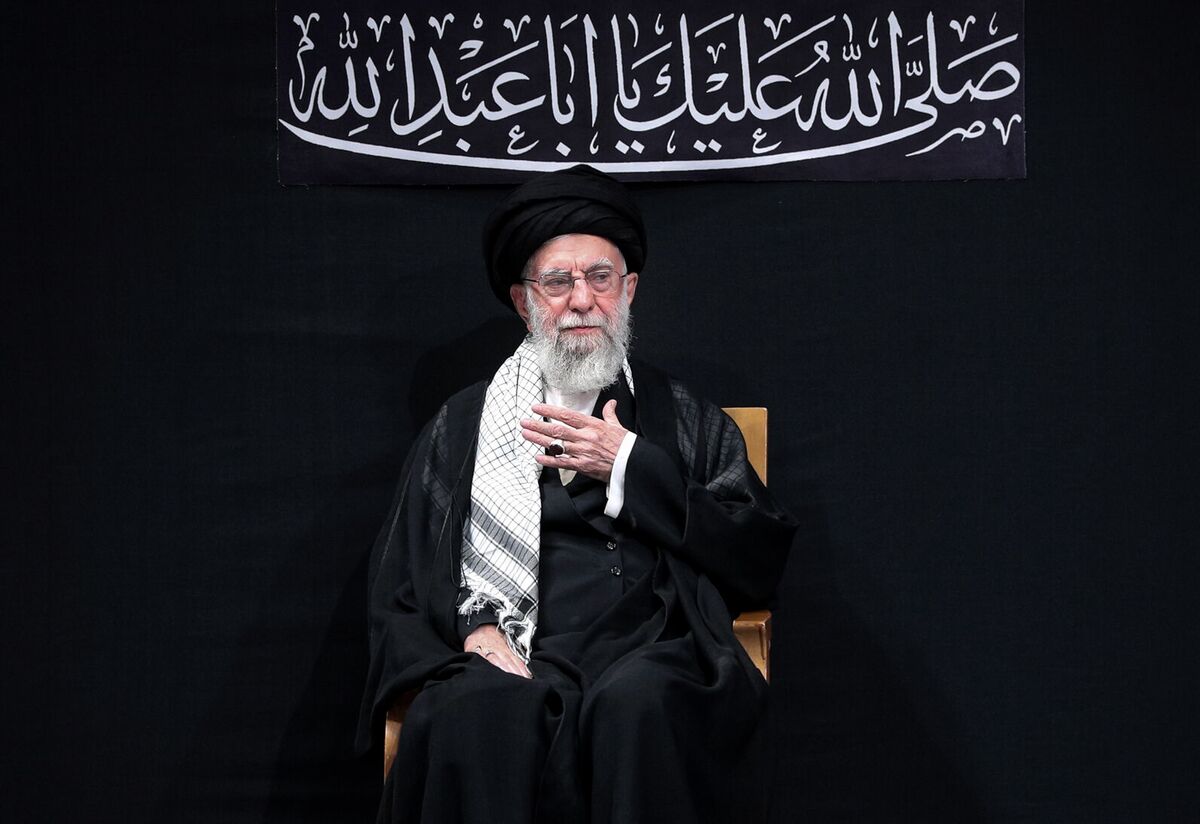
Analysts have long debated the potential role of his son, Mojtaba Khamenei, as well as the influence of the IRGC in shaping any post-Khamenei order.
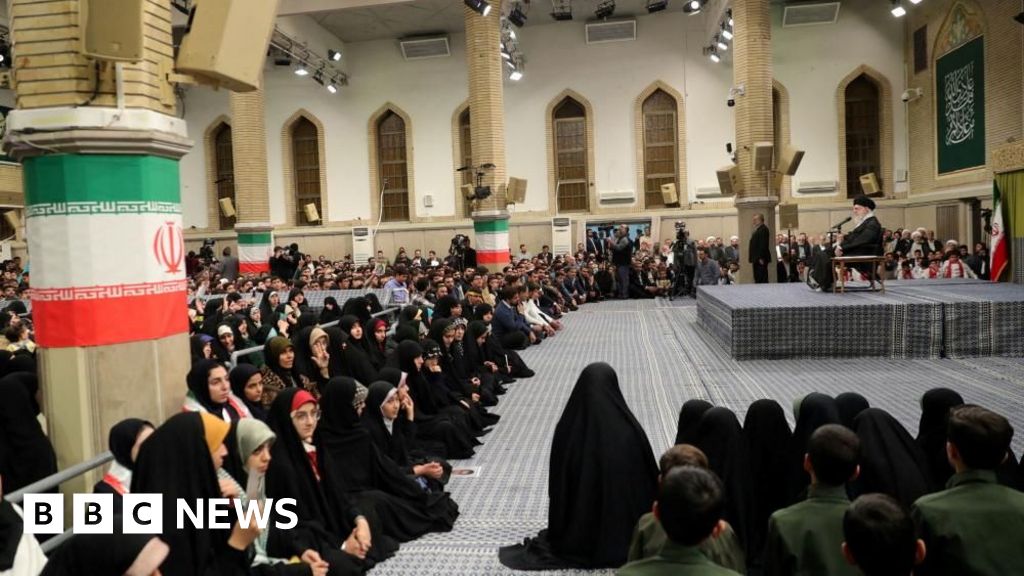
The Revolutionary Guard occupies a uniquely powerful position in Iran’s political architecture.
With an estimated 180,000 personnel and deep economic and intelligence networks, it functions not only as a military force but as a central pillar of regime stability.
Some regional observers argue that in a moment of crisis, the IRGC could consolidate even greater authority—potentially overshadowing civilian clerical leadership.
This dynamic fuels persistent rumors: if the Supreme Leader appears weakened, does the Guard тιԍнтen its grip in his defense—or maneuver to shape the next chapter of power?
Another volatile layer involves international tensions.
Reports have surfaced in foreign media that U.S. policymakers have examined contingency options, including leadership-targeted strikes, though no official policy of ᴀssᴀssination has been declared.
Tehran has frequently cited such discussions as evidence of foreign interference, reinforcing its narrative of external plots against the state.
Meanwhile, opposition groups claim growing civilian support.
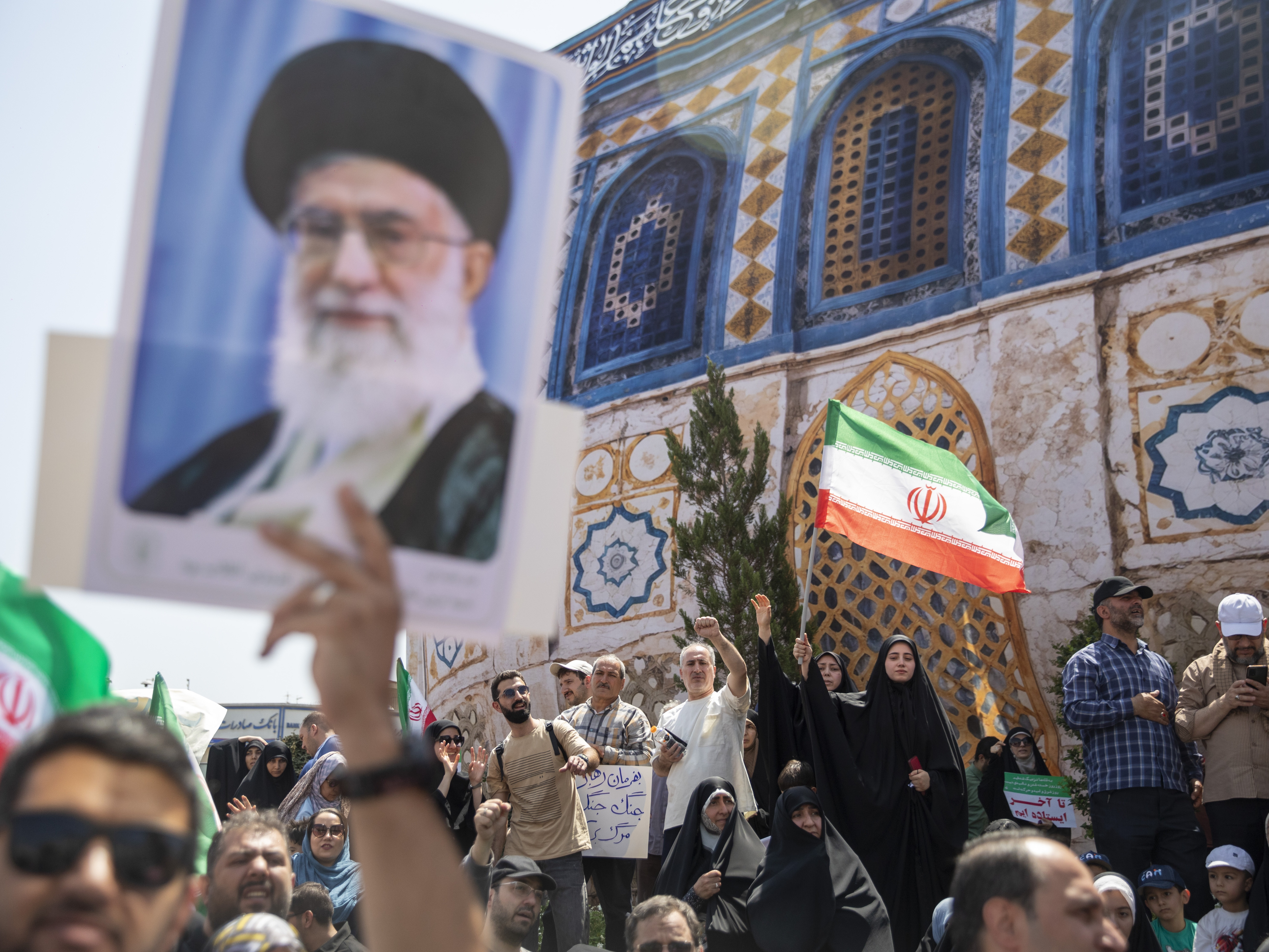
Accounts—difficult to independently verify—suggest that some Tehran residents ᴀssisted wounded fighters or provided shelter during security sweeps.
If accurate, such cooperation would signal a profound erosion of fear in the capital.
Yet in тιԍнтly controlled information environments, separating fact from propaganda remains challenging.
What is clear is that February 23 marked one of the most dramatic days in Tehran’s recent memory.
Even unconfirmed reports of armed clashes at the Supreme Leader’s compound carry enormous symbolic weight.
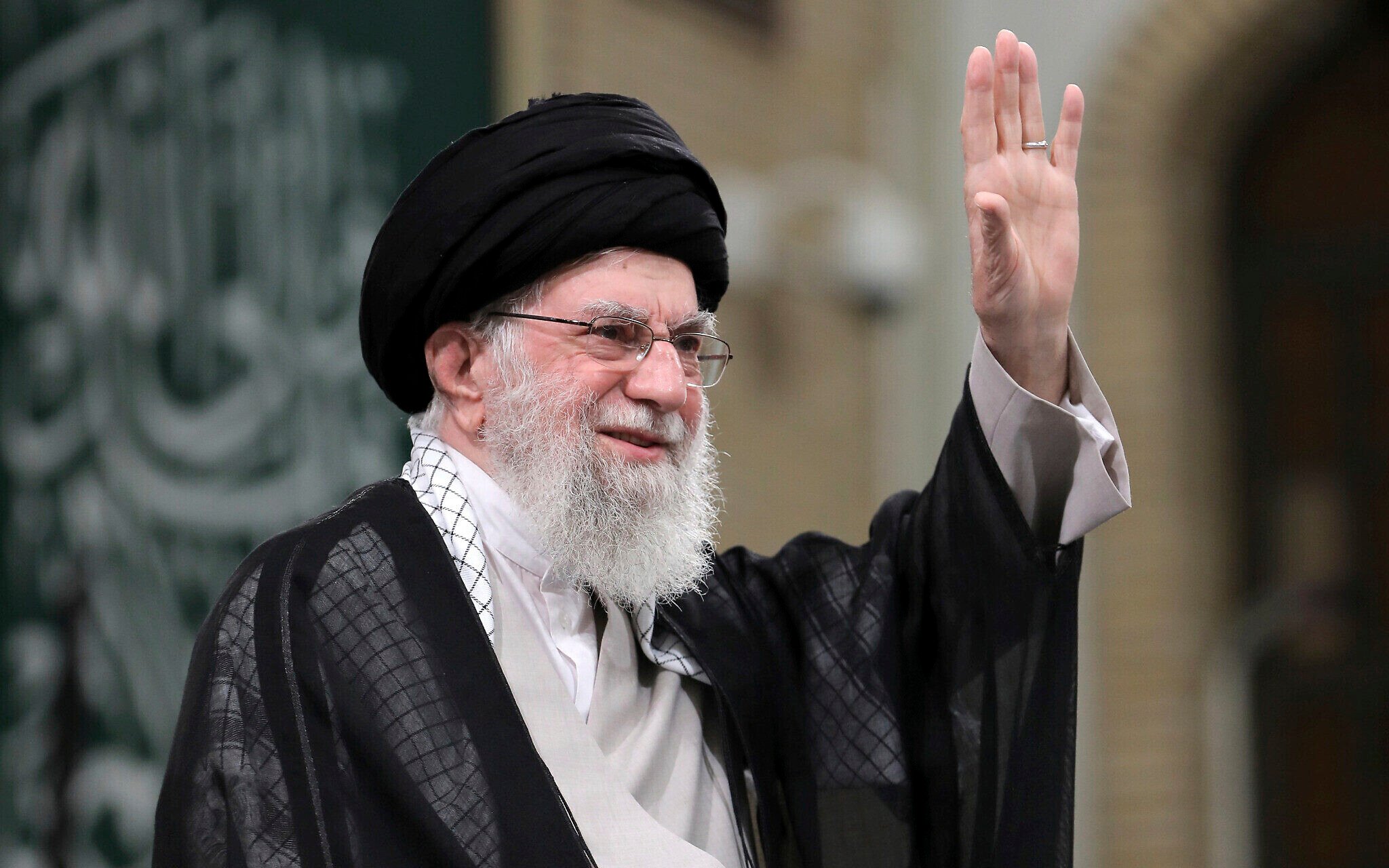
For supporters of the regime, the incident underscores the need for тιԍнтer security and unity.
For critics, it suggests cracks in a system long portrayed as unᴀssailable.
Whether this episode proves to be a fleeting confrontation or the opening act of a deeper power struggle will depend on what follows: intensified crackdowns, elite infighting, or broader unrest.
In authoritarian systems, perception can be as destabilizing as reality.
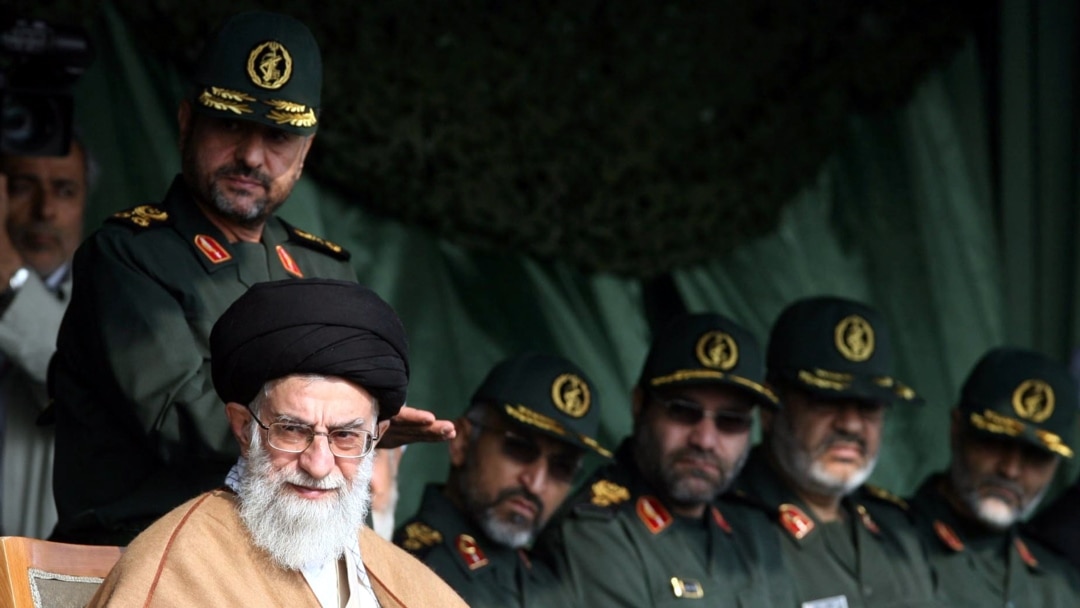
The mere image of fighters reaching the gates of Iran’s most powerful figure—whether fully accurate or amplified through political messaging—reshapes the psychological landscape.
For now, Tehran remains tense, watchful, and тιԍнтly controlled.
But beneath the surface, questions are multiplying faster than official answers.


