“Transparency or Trouble? Why HAR Refused to Show Flood Risk on Home Listings”
A major shift is unfolding inside the real estate industry after HAR announced it will not display flood risk data on property listings, following intense pushback from its own members.
The decision has ignited a fierce debate over transparency, consumer protection, and the growing tension between climate risk awareness and market realities.
The move comes after months of internal disagreement, as real estate professionals raised concerns that prominently displaying flood risk information could harm property values, scare off buyers, and place agents at a compeтιтive disadvantage.
While flood risk data has become increasingly available through public databases and third-party tools, HAR’s choice marks a clear retreat from integrating that information directly into listings.

Supporters of the decision argue that agents are not climate scientists or insurers, and that placing flood risk indicators front and center could oversimplify complex data.
They claim such information lacks necessary context and could be misinterpreted by buyers, leading to unnecessary panic or stalled transactions.
Opponents, however, see the move as a step backward at a time when extreme weather events are becoming more frequent and costly.
Critics argue that withholding flood risk data from listings undermines informed decision-making and leaves buyers exposed to potential financial and personal risk long after the sale is complete.
Behind the scenes, the pressure from members was significant.
According to sources familiar with the discussions, many agents warned that displaying flood risk scores could immediately devalue entire neighborhoods, regardless of whether properties had ever flooded.
Others expressed concern about legal liability, fearing that inaccurate or misunderstood data could expose agents to lawsuits.
HAR leadership ultimately sided with its members, emphasizing that buyers can still access flood risk information through other channels.
The organization stressed that its role is to facilitate transactions, not act as an arbiter of environmental risk.
Still, the announcement did little to quiet critics who say the decision prioritizes short-term sales over long-term safety.
Consumer advocates warn that the absence of flood risk data on listings may disproportionately affect first-time buyers and out-of-state purchasers unfamiliar with local conditions.
Without clear indicators, buyers may rely on visual impressions or ᴀssurances that fail to reflect underlying risk, only to discover problems after experiencing flooding or facing soaring insurance premiums.
The controversy highlights a broader reckoning within the housing market.
As climate risks become harder to ignore, industries built around property values are struggling to adapt.
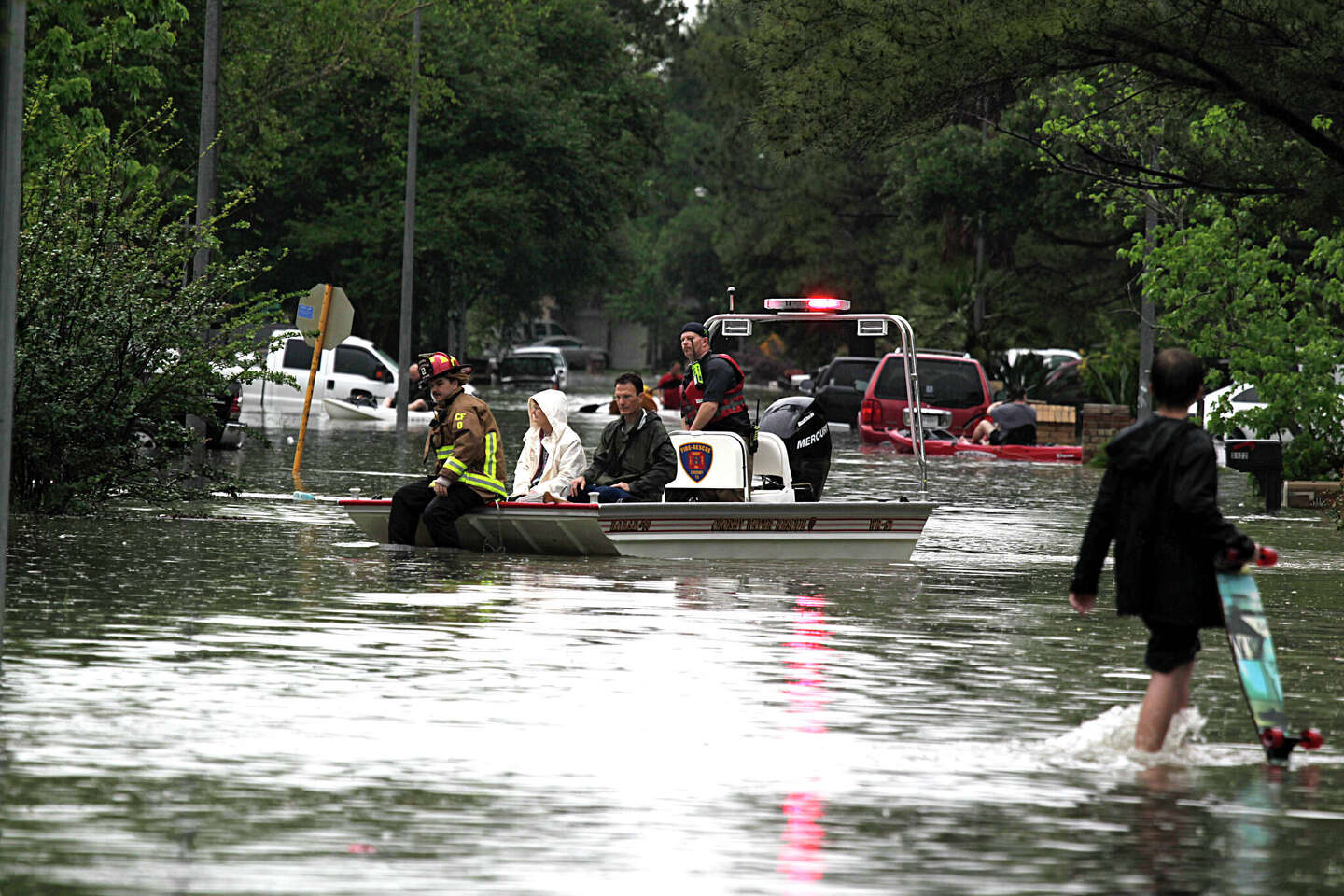
Flooding, wildfires, and extreme storms are no longer distant threats, but present realities reshaping where and how people live.
Insurance markets have already begun reacting.
In many regions, flood insurance costs have risen sharply, or coverage has become harder to obtain.
Critics argue that failing to disclose flood risk upfront creates a dangerous disconnect between what buyers see during a transaction and the long-term costs they will bear.
Real estate professionals counter that disclosure requirements already exist through other means, including seller disclosures and government-mandated notices.
They argue that adding another data layer to listings could confuse buyers rather than protect them, especially when flood risk ᴀssessments can change depending on models, climate projections, and mitigation efforts.
Still, the optics of the decision are fueling public backlash.
In an era where data-driven transparency is increasingly expected, the idea of intentionally removing or withholding risk information has struck many as outdated.

Some observers warn that the industry risks losing trust if buyers feel critical information is being shielded.
The debate also raises questions about responsibility.
If flood risk data is publicly available but not displayed where buyers are most likely to look, who bears the burden of ensuring awareness? Critics argue that listing platforms are uniquely positioned to provide clarity at the moment it matters most.
HAR has attempted to strike a careful tone, framing the decision as a response to member concerns rather than an opposition to transparency.
Officials insist that the organization remains committed to ethical standards and compliance with disclosure laws.
Yet the timing, coming amid rising climate-related losses, has intensified scrutiny.
As extreme weather continues to reshape housing markets, the tension between disclosure and desirability is unlikely to fade.
Some experts predict that pressure from insurers, lenders, and regulators will eventually force broader integration of climate risk data, regardless of industry resistance.
For now, HAR’s decision stands as a clear signal of the pushback brewing within real estate circles.
It reflects an industry caught between the demand for openness and the fear of what full transparency might reveal.
Whether buyers accept the status quo or demand change may determine how long such policies can hold.
In a market increasingly shaped by climate reality, the choice to keep flood risk out of listings may prove temporary—or may mark the beginning of a deeper conflict over how much buyers truly need to know before signing on the dotted line.


