“Breathtaking” Tiffany Jewelry Discoveries That Shocked Antiques Roadshow
On Antiques Roadshow, few names create instant silence and widened eyes quite like Tiffany & Company.
Over decades of appraisals, Tiffany jewelry has repeatedly transformed ordinary family heirlooms into extraordinary historical treasures.
What makes these moments so powerful isn’t only the money—it’s the realization that American jewelry, once overlooked in favor of European houses, has its own giants, visionaries, and masterpieces.
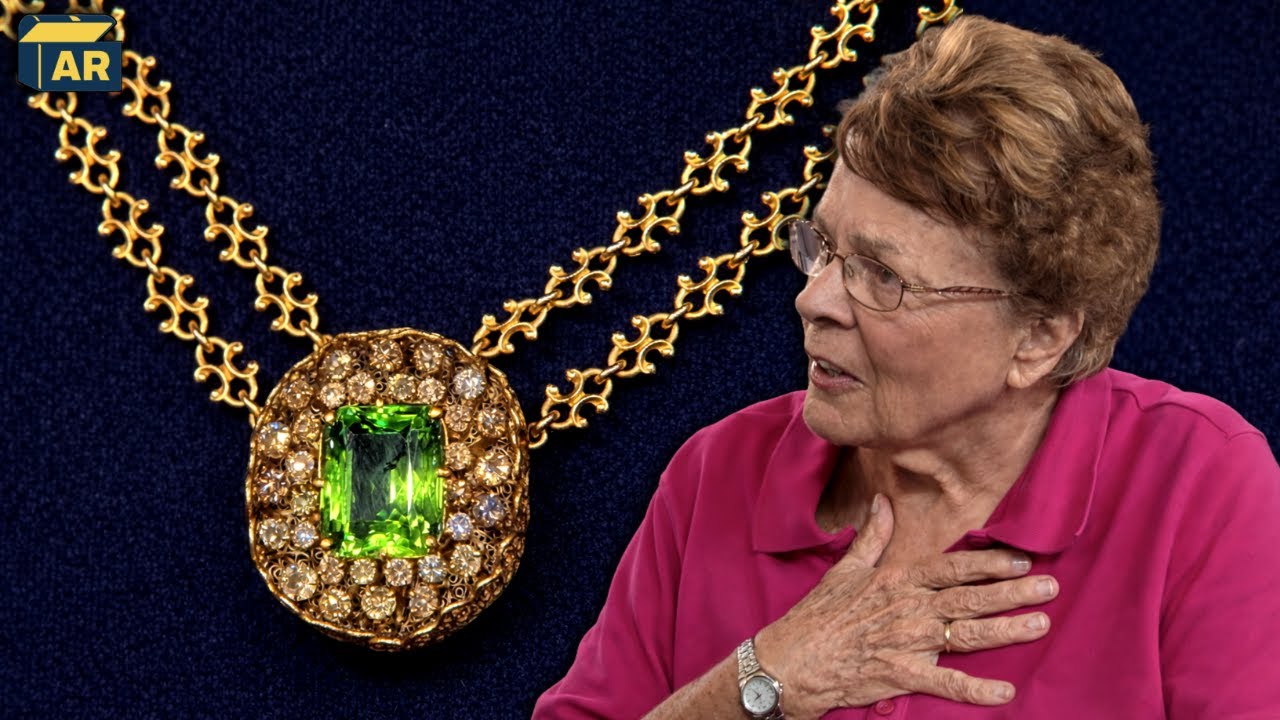
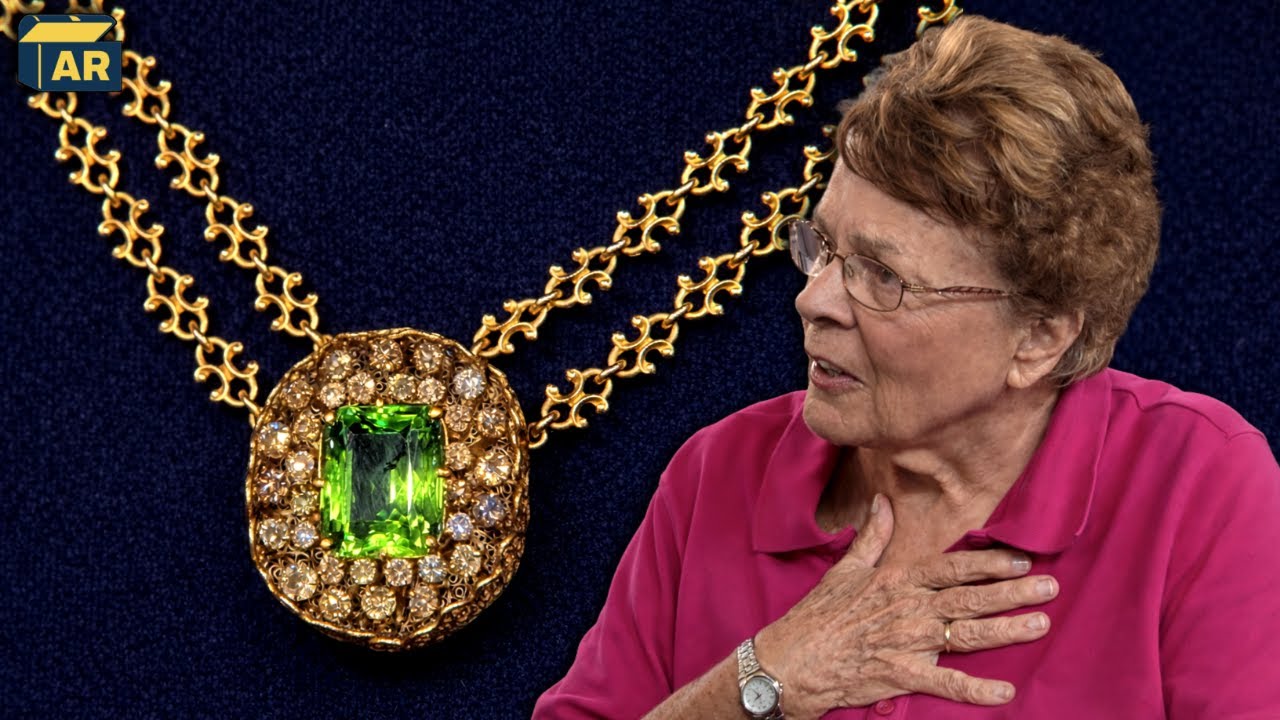
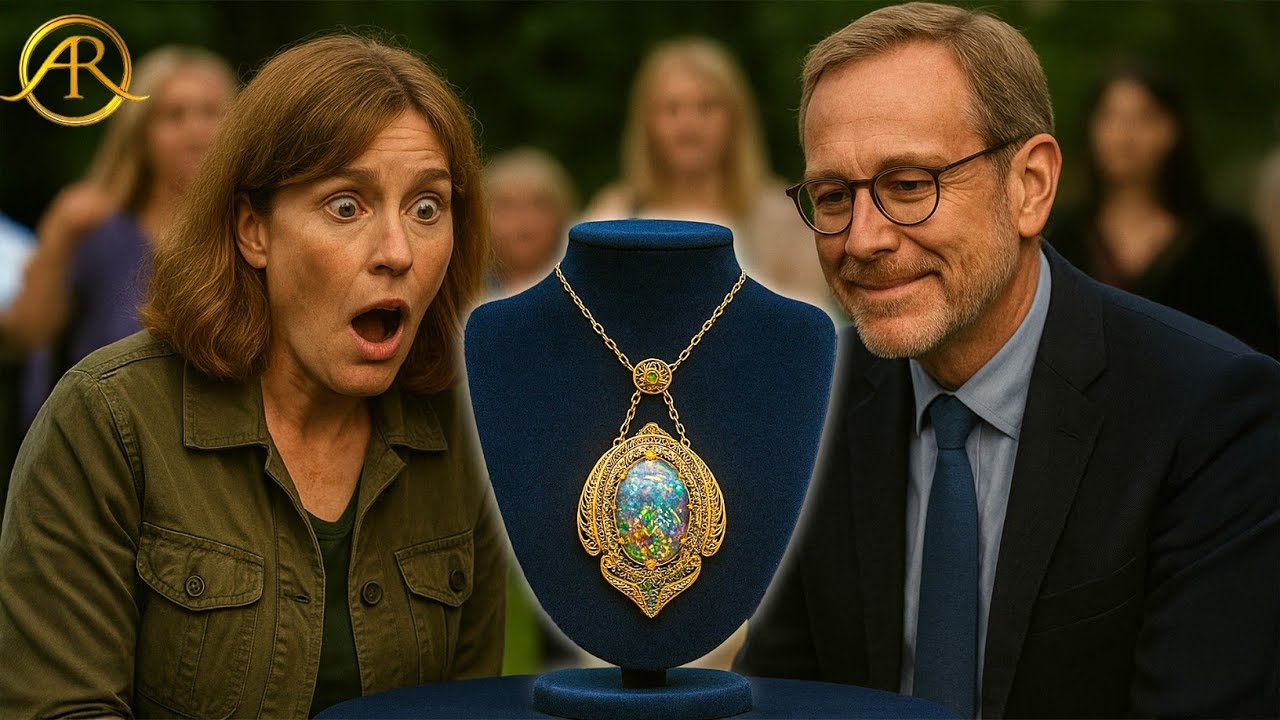
One of the most jaw-dropping moments began with an opal necklace purchased quietly in the late 1970s for just over $3,000.
At the time, it felt like an indulgence.
On the appraisal table, it became something else entirely.
Experts identified the piece as a Louis Comfort Tiffany creation, crafted with rare black patchwork opals flashing vivid red fire—the rarest color in opal.
Entirely handmade, flowing like a painting in metal, the necklace wasn’t just jewelry.
It was art.
Its modern retail value stunned the owner: $70,000 to $90,000.
That revelation set the tone for what Tiffany represents on Antiques Roadshow.
Tiffany pieces are not valued by gemstones alone.
They are valued by design philosophy, by the idenтιтy of the artist, and by a period in American history when Tiffany was redefining what luxury could be.
Another unforgettable appraisal featured a diamond brooch from around 1900, a graceful ribbon-like design from the Belle Époque period.
With approximately 2.5 carats of diamonds, the brooch was elegant but restrained.
Without a signature, it would have been worth perhaps $1,500.
But stamped discreetly with Tiffany & Company, it entered another world entirely—$10,000 to $15,000 at auction, and up to $30,000 at retail.
A whisper of a mark changed everything.
Opals appeared again in a family necklace dating to the early 20th century.
At its center sat a dramatic black opal surrounded by demantoid garnets, a gemstone so rare many collectors never see one in person.

The back of the necklace was as detailed as the front, a hallmark of Tiffany craftsmanship.
As a historic jewel alone, it was impressive.
As a Tiffany piece, it doubled in value.
As a work attributed directly to Louis Comfort Tiffany, it soared to $30,000–$40,000.
Pearls delivered some of the most emotional shocks.
A natural pearl necklace from around 1909–1910 represented the final golden age before cultured pearls reshaped the market forever.

Perfectly graduated, glowing softly with time-earned luster, the necklace was likely designed by Paulding Farnham, Tiffany’s legendary chief designer.
Auction value: $80,000 to $100,000.
Insurance value: $200,000.
Even two loose pearls from the strand were worth thousands on their own.
Art Deco Tiffany pieces carried their own electricity.

A platinum diamond brooch purchased for $3,000 decades earlier revealed bold geometry, multiple diamond cuts, and architectural balance characteristic of the 1920s.
Retail value: $25,000 to $30,000.
Another Art Deco circle brooch, discovered in a dry cleaner’s ʙuттon drawer, stunned everyone with a $65,000 retail valuation—proof that Tiffany surprises don’t always sparkle loudly at first glance.
Color, often underestimated, became a recurring theme.
A pansy brooch from around 1905 featured vibrant enamel petals and unusually large diamonds.

The enamel’s survival alone was remarkable.
Retail value: $15,000 to $20,000.
A star sapphire ring from the 1920s showcased a perfectly formed six-ray star gliding across a 25-carat stone, set in platinum and diamonds—even hidden beneath the gem.
Retail estimate: $25,000 to $35,000.
Not all treasures relied on rare stones.
A citrine-and-olivine brooch proved that Tiffany’s genius lay in color harmony and craftsmanship, not market price per carat.
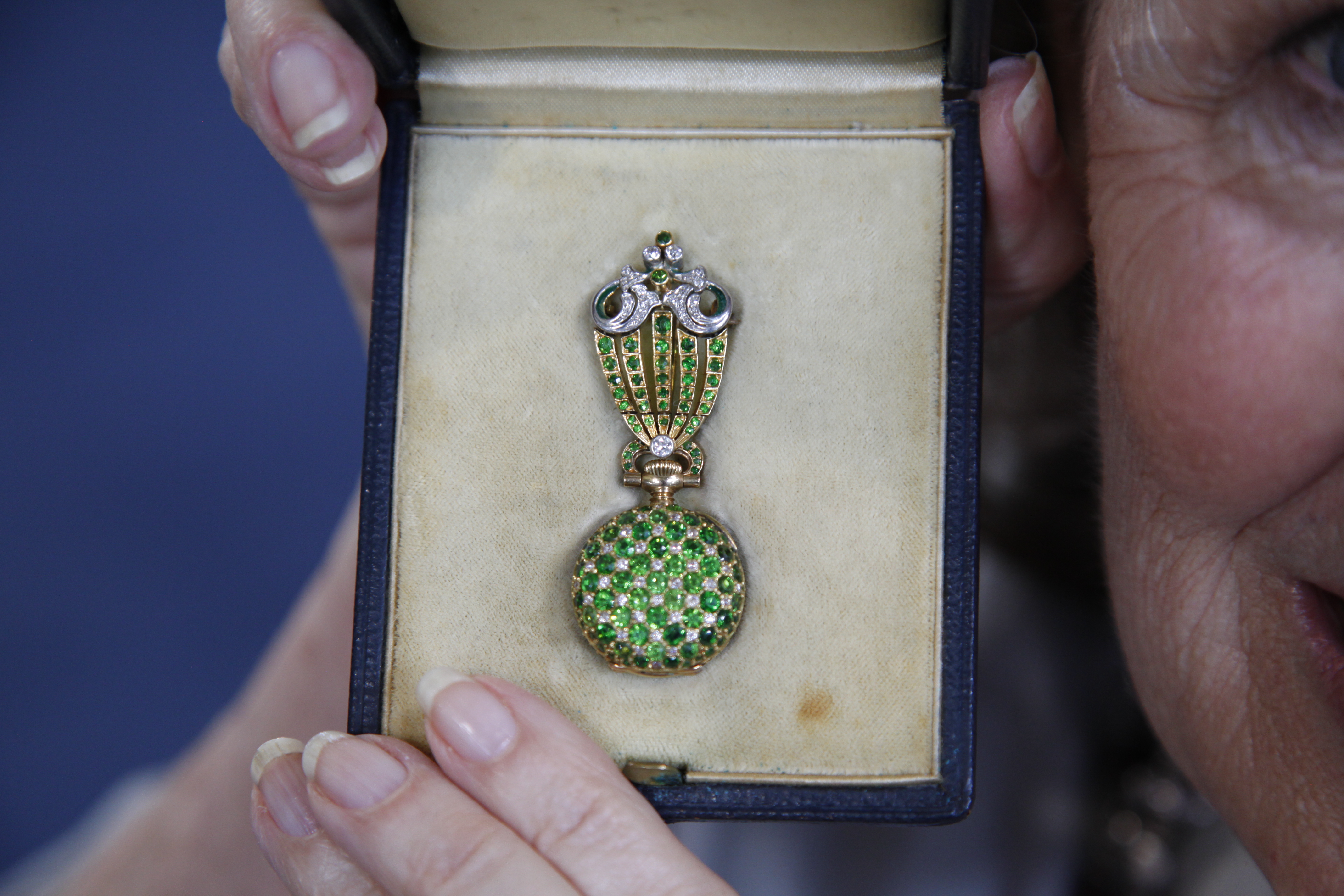
Auction value: $6,000 to $8,000—earned not by rarity, but by artistic confidence.
Some of the oldest pieces carried deep historical weight.
An 1870s Tiffany necklace in its original Union Square box told the story of a company still defining itself.
With its box intact, the necklace’s authenticity became unquestionable.
Auction value: $3,000 to $4,000, but its historical importance far outweighed the price.

Across every appraisal, a single truth emerged: Tiffany does not simply make jewelry—it preserves moments in American cultural history.
A signature, a design choice, or a forgotten box can elevate gold and stones into legacy.
On Antiques Roadshow, Tiffany jewelry doesn’t just surprise.
It rewrites the story of what American luxury truly means.


