Eric Dane’s Final Chapter: Courage, Love, and a Fight Against ALS
The entertainment world is mourning the loss of Eric Dane, who pᴀssed away at 53 following a determined battle with ALS. Best known to millions as Dr. Mark “McSteamy” Sloan on Grey’s Anatomy, Dane’s death marks the end of a three-decade career defined not only by charisma and talent, but by resilience in the face of devastating illness.
Dane first appeared on Grey’s Anatomy in 2006, instantly transforming the dynamic of the hit medical drama. As the confident, sharply witty Dr. Sloan, he became a fan favorite for six seasons.
His character blended swagger with surprising vulnerability, delivering lines that made audiences laugh one moment and ache the next. For many viewers, “McSteamy” wasn’t just a nickname — it was a cultural phenomenon.
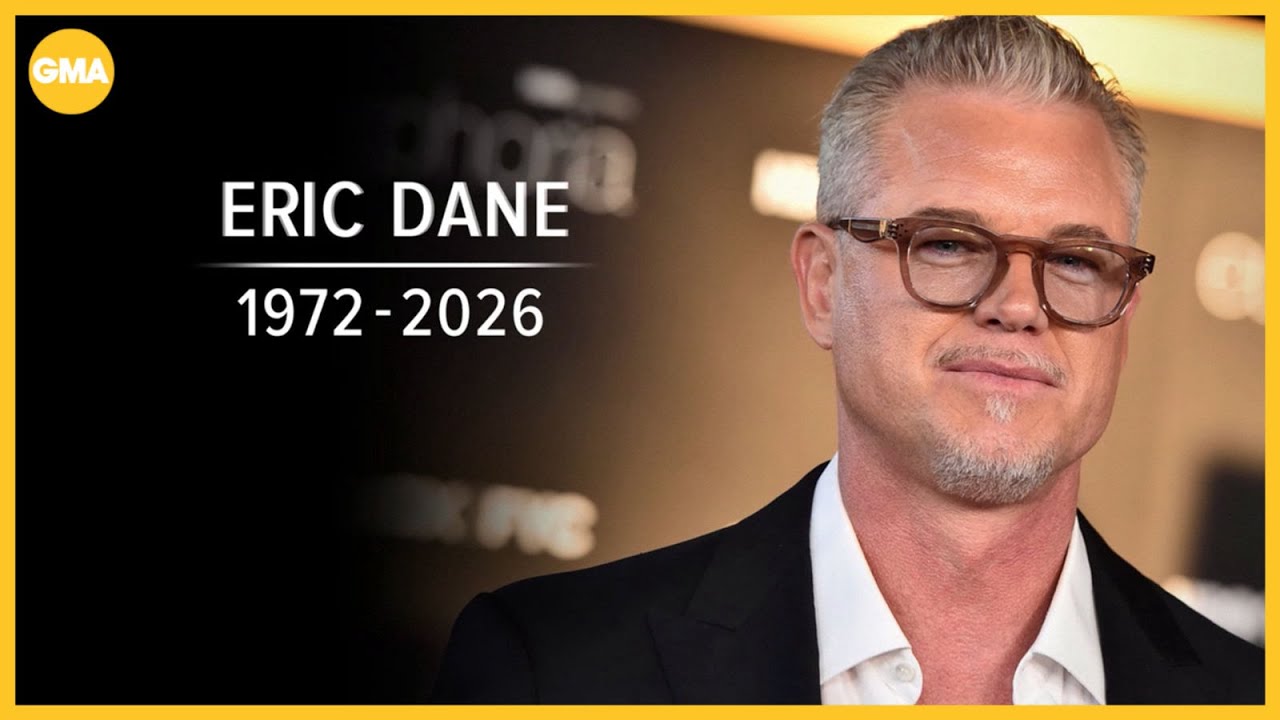
Yet Dane’s career extended far beyond the halls of Seattle Grace Hospital. From early television roles to big-screen appearances, he steadily built a reputation as a versatile actor.
More recently, he captivated a new generation as Cal Jacobs in HBO’s Euphoria, portraying a deeply flawed father with unsettling complexity. The role showcased his willingness to take creative risks and dive into challenging emotional terrain.
But in April of last year, Dane revealed news that would change everything. He had been diagnosed with ALS, also known as Lou Gehrig’s disease — a progressive nervous system disorder that affects nerve cells in the brain and spinal cord, leading to loss of muscle control. There is no cure. The cause remains largely unknown.

In a powerful interview following his diagnosis, Dane spoke candidly about the reality of living with ALS. He described waking each morning with the weight of those three letters immediately present in his mind. What began as weakness on one side of his body progressed steadily. He revealed that one arm had stopped functioning entirely, and he feared the other would soon follow.
“It’s sobering,” he admitted. “I’m fighting as much as I can.”
That fight extended beyond his personal health. Determined to use his platform for change, Dane became a vocal advocate for ALS research. He supported initiatives aimed at accelerating scientific breakthroughs and increasing federal funding for treatment development. Through partnerships with advocacy organizations, he sought to bring visibility and urgency to a disease that has remained incurable for more than a century.
Advocacy group I Am ALS later described him as “a fierce advocate, a generous spirit, and a true champion in a movement to end ALS.” His willingness to share his struggle publicly gave countless families facing similar diagnoses a sense of solidarity and hope.

While fans admired his bravery, those closest to him knew that his proudest role was not played on screen.
Dane married actress Rebecca Gayheart in 2004, and together they had two daughters, Billie and Georgia. Though the couple had been separated for several years, they remained deeply connected. Throughout his illness, Gayheart stood by him as a steadfast supporter and close friend. Dane spoke openly about their bond, describing her as his greatest champion and the person he leaned on daily.
In a statement following his pᴀssing, his family shared that he spent his final days surrounded by loved ones — his devoted wife and daughters at his side. They emphasized that his children were the center of his world.
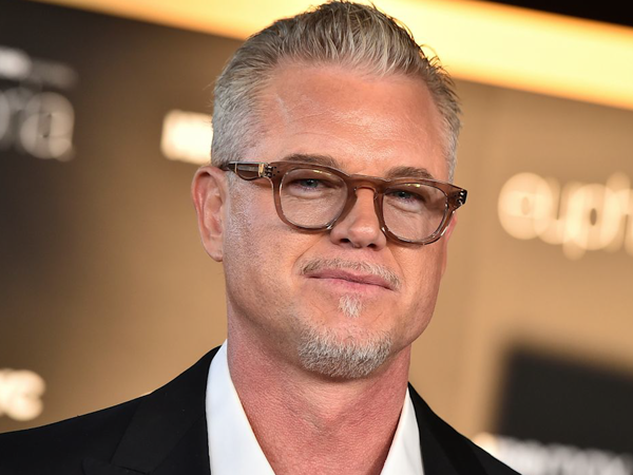
Friends and colleagues from across the entertainment industry expressed their heartbreak. Former co-stars from Grey’s Anatomy shared tributes recalling his humor and presence on set. Many remembered the twinkle in his eye before delivering a perfectly timed line, the warmth behind the confidence that defined his performances.
Patrick Dempsey, who worked alongside Dane during some of the show’s most iconic seasons, described the loss as difficult to put into words, expressing deep sorrow for Dane’s children.
Yet perhaps the most powerful legacy Dane leaves behind is not confined to television history. It is found in the grace with which he faced his diagnosis. Even as physical abilities declined, his priorities remained clear: spend time with family, work when possible, and make sure those he loved knew it every single day.

“Tell them you love them,” he once said. “Every day.”
ALS may have taken his strength, but it did not diminish his spirit. By speaking openly about his battle, he transformed personal pain into public purpose. By continuing to show up for his daughters and advocate for others, he demonstrated a quiet heroism far beyond scripted drama.
Eric Dane’s career gave audiences unforgettable characters. His final chapter revealed the man behind them — vulnerable, determined, and deeply devoted to those he loved.
His legacy now stretches beyond television screens. It lives in the push for medical progress he helped energize, in the family who stood beside him, and in the reminder that even in the face of unimaginable challenge, courage and love endure.


