The Rise, Return, and Reckoning of Sarah Ferguson
On Christmas Day 2023, royal watchers gathered at Sandringham witnessed a scene that would have seemed unthinkable for more than three decades. Sarah, Duchess of York — “Fergie” to the public — walked to church alongside senior members of the Royal Family. After years of scandals, financial collapses, and tabloid humiliations, her reappearance at the heart of the monarchy felt nothing short of extraordinary.
For many, it signaled forgiveness. For others, it was a reminder that in royal life, exile is rarely permanent. But if 2023 marked a resurrection, the years that followed would once again test the limits of public patience and palace tolerance.
To understand the arc of Sarah Ferguson’s life is to trace a story of spectacular opportunity, repeated missteps, reinvention, and controversy.
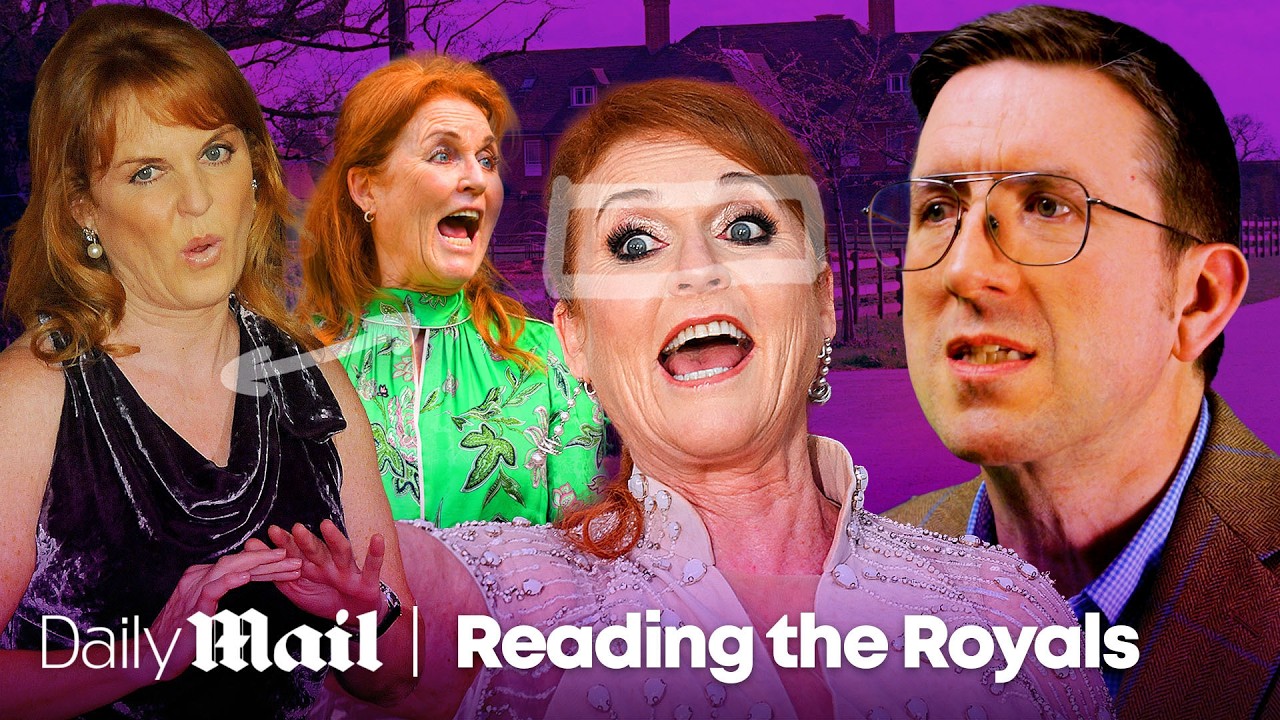
Born in 1959 into a well-connected family, Sarah Margaret Ferguson grew up on a Hampshire farm after her grandfather’s death. Her father’s role as polo manager to the Prince of Wales meant that from an early age, she moved in royal-adjacent circles. Prince Andrew, just months younger, was a childhood acquaintance long before he became her husband.
Yet beneath the bucolic upbringing lay personal turbulence. Ferguson has spoken candidly about her mother leaving the family when she was 12, an event she later connected to lifelong struggles with self-esteem and abandonment. Whether fairly or not, critics have often framed her later decisions through the lens of those early insecurities.

When she married Prince Andrew in 1986, Britain was primed for a royal refresh. Alongside Diana, Princess of Wales, Ferguson symbolized youth, warmth, and modernity. The monarchy, seen by some in the late 1970s as distant and outdated, appeared revitalized by two charismatic young women who felt relatable rather than remote.
But fairy tales inside the House of Windsor rarely unfold without complication.
By 1992, Ferguson’s marriage was in serious trouble. That year — later dubbed the Queen’s “annus horribilis” — pH๏τographs emerged of the Duchess vacationing with American businessman John Bryan, sparking scandal. The couple separated and finalized their divorce in 1996.

Financial pressures quickly mounted. Even before the divorce, reports suggested her spending habits and business ventures had left her in significant debt. Buckingham Palace took the unusual step of publicly clarifying that her financial affairs were her own responsibility.
Yet if there is one defining trait in Ferguson’s public life, it is resilience — or, as critics might say, relentless optimism.
She reinvented herself as a children’s author with the “Budgie the Little Helicopter” series, then pivoted into American media culture. From QVC product promotions to Weight Watchers campaigns, she embraced commercial endorsements that traditional royal protocol would have frowned upon. Her New York-based ventures, including a media company called Hartmoor, ultimately collapsed, reportedly leaving substantial debts.

Then came one of the most damaging episodes of her career.
In 2010, an undercover tabloid sting captured Ferguson appearing to offer access to Prince Andrew in exchange for money. The footage was widely broadcast. She later described herself as being in a desperate financial position and admitted poor judgment. Although she claimed she had not intended to profit improperly, the damage to her reputation was profound. She was not invited to Prince William’s 2011 wedding — a public sign of her diminished standing.
Still, she persisted.

For years, Ferguson remained on the periphery of royal life, cohabiting with Prince Andrew at Royal Lodge while maintaining a lower profile. Gradually, through family milestones and personal health challenges — including a cancer diagnosis in 2023 — public sympathy softened. Her appearance at Sandringham that Christmas felt like a full-circle moment.
Yet lingering controversies involving Jeffrey Epstein cast a long shadow.
Ferguson has acknowledged accepting money from Epstein to settle debts and has described her ᴀssociation with him as a “serious error of judgment.” Emails published in the press revealed warm language toward Epstein after his conviction for soliciting prosтιтution from a minor — correspondence that drew renewed scrutiny in the years following Epstein’s death.
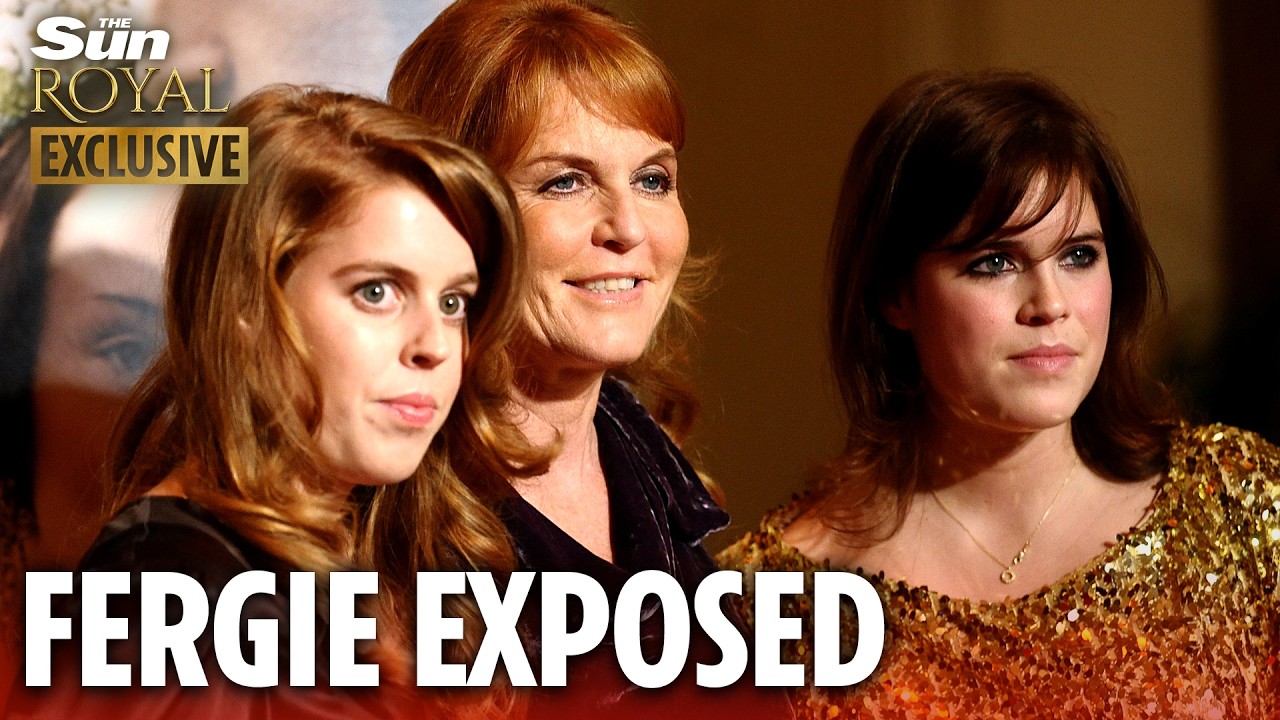
While she has publicly expressed regret for the ᴀssociation and stated she cut ties, critics argue that her communications raised difficult questions about judgment and priorities.
In the court of public opinion, Ferguson’s story has always been polarized. Admirers see a woman who refused to be crushed by humiliation — who kept rebuilding despite relentless setbacks. Detractors see a pattern of questionable alliances, commercial opportunism, and blurred ethical lines.

Her bond with Prince Andrew — steadfast despite divorce — has also shaped perceptions. Both have faced reputational crises linked to Epstein, and both have experienced periods of withdrawal from public duties.
Whether history ultimately judges Sarah Ferguson as a misunderstood survivor or an architect of her own undoing may depend on perspective. What is undeniable is that few figures in modern royal history have experienced such dramatic cycles of fall and return.
The Christmas morning that once symbolized redemption now stands as a reminder: in royal life, rehabilitation is possible — but it is rarely permanent.


