“Minutes to Danger: Brutal Arctic Air Slams the Northeast” ❄️⚠️
A dangerous arctic blast has slammed into the Northeast, plunging temperatures to life-threatening levels and transforming daily life into a race for survival across the region.
What began as a sharp cold front rapidly evolved into an extreme weather event, as frigid Arctic air spilled southward, gripping major cities and rural communities alike.
Temperatures dropped at a stunning pace, catching many residents off guard and forcing authorities to issue urgent warnings about frostbite, hypothermia, and widespread infrastructure strain.
From the Great Lakes to the Atlantic coast, the cold settled in with relentless force.
Wind chills plunged well below zero, making even brief exposure outdoors potentially dangerous.
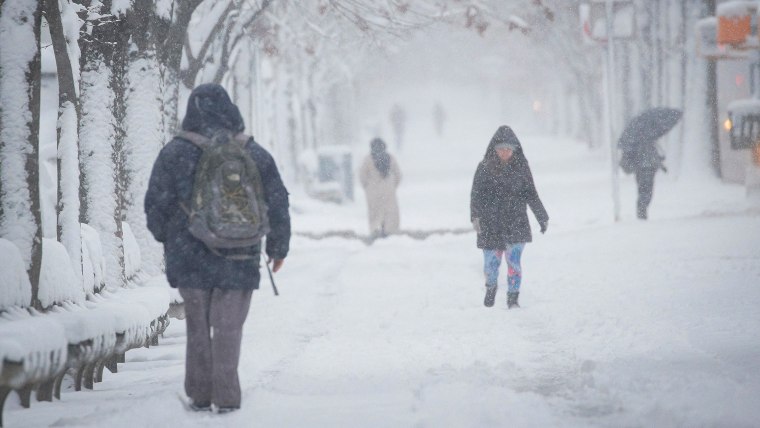
In some areas, officials warned that exposed skin could be affected in minutes as biting winds amplified the already brutal cold.
Streets emptied as residents rushed indoors, while emergency shelters prepared for a surge in people seeking warmth.
Major cities including New York, Boston, Philadelphia, and surrounding metropolitan areas braced for conditions not seen in years.
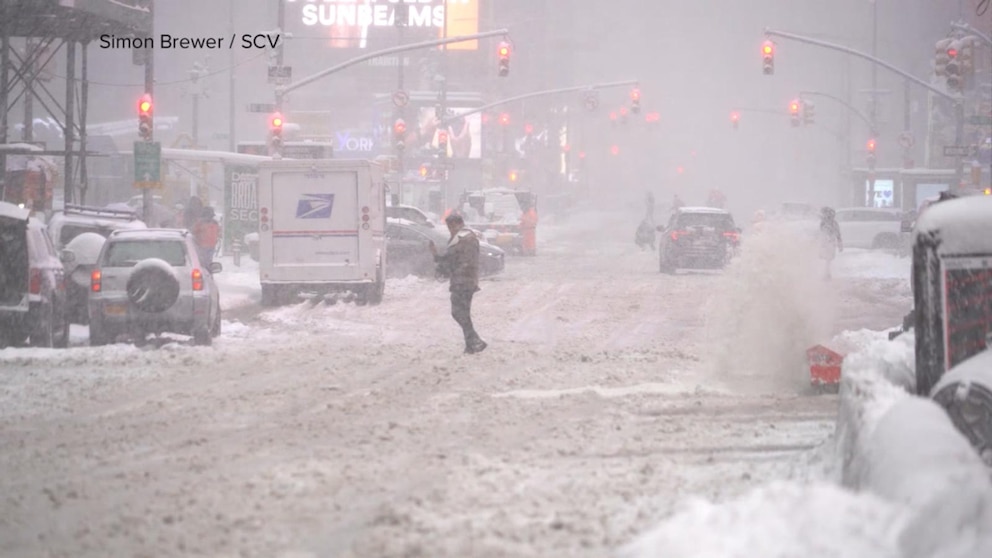
Public transit systems struggled under the strain as frozen tracks, mechanical failures, and reduced visibility caused delays and cancellations.
Commuters faced treacherous conditions as icy roads turned routine travel into a serious hazard.
Energy demand surged across the Northeast.
Heating systems ran nonstop as households fought to keep indoor temperatures livable.
Utility companies warned of possible power disruptions as the extreme cold placed unprecedented stress on the electrical grid.
In some communities, brief outages left residents scrambling for backup heat sources, heightening concerns about safety inside homes.
Emergency officials urged residents to conserve energy where possible and to check on vulnerable neighbors, particularly the elderly and those living alone.
Warming centers were opened across the region, offering refuge to anyone unable to safely endure the cold.
The arctic blast also brought dangerous wind gusts that intensified the threat.
Blowing snow and ice reduced visibility, making driving conditions hazardous even in areas that saw little snowfall.

Accidents were reported on major highways as vehicles lost traction on frozen pavement.
Authorities urged people to avoid unnecessary travel, warning that emergency response times could be delayed due to weather conditions.
Schools across multiple states announced closures or delayed openings as officials weighed student safety against rapidly deteriorating conditions.
Parents scrambled to adjust schedules as childcare plans collapsed under the weight of the sudden cold wave.
Air travel was also impacted.
Airports reported delays and cancellations as ground crews battled freezing equipment and dangerous working conditions.
Aircraft de-icing operations slowed departure schedules, while pᴀssengers waited anxiously inside terminals as flights were postponed or rerouted.
Meteorologists described the event as a powerful displacement of polar air, driven south by atmospheric shifts that allowed Arctic conditions to surge deep into the United States.
Rather than a brief cold snap, this blast settled in, keeping temperatures dangerously low for an extended period.
The cold’s impact extended beyond human activity.
Wildlife officials reported increased risks to animals unaccustomed to prolonged deep freezes.
Farmers expressed concern over livestock exposure and potential damage to winter crops.
Frozen water sources and snow-covered ground made survival more difficult for animals already struggling through the season.
Public health officials warned that the greatest danger often comes from underestimating cold weather.
People attempting to clear snow, walk pets, or commute without proper protection faced serious risks.
Emergency rooms reported increases in cold-related injuries as individuals underestimated how quickly conditions could become dangerous.
Authorities repeatedly emphasized simple but critical safety measures: dress in layers, limit time outdoors, keep mobile devices charged, and have emergency supplies on hand.
Residents were urged never to use unsafe heating methods indoors, warning of ᴅᴇᴀᴅly consequences if precautions were ignored.
Despite the warnings, the arctic blast showed little mercy.
Frozen pipes burst in homes and businesses, flooding interiors once temperatures fluctuated slightly.
Municipal crews raced to respond to water main breaks as infrastructure strained under the pressure of rapid temperature changes.
As night fell, the cold тιԍнтened its grip.
Temperatures dropped even further after sunset, while wind chills made conditions feel even more severe.
For those without stable housing, the cold posed an immediate threat, prompting outreach teams to search for individuals in need of shelter.
Officials stressed that the danger would persist even after the cold began to ease.
Sudden warming could lead to black ice, additional infrastructure damage, and new hazards for commuters.
The aftermath of the arctic blast, they warned, could be just as dangerous as the event itself.
For millions across the Northeast, the arctic blast became more than a weather story.
It was a reminder of nature’s unforgiving power, capable of shutting down cities, straining systems, and threatening lives in a matter of hours.
As residents huddled indoors, watching temperatures sink to extreme lows, one reality became clear: this was not just cold weather—it was a serious and ongoing emergency.
And until the Arctic grip finally loosens, the Northeast remains locked in a deep freeze where caution is not optional, but essential.


