Flames in Hormuz: Tankers Burn as Iran тιԍнтens Grip on Global Oil Lifeline
The Strait of Hormuz—one of the most critical arteries of global energy—has become a blazing frontline of the Iran war, as reports of burning oil tankers and missile or drone strikes send shockwaves through international markets and governments alike.
What was once a strategic chokepoint has now transformed into a zone of fire, fear, and geopolitical brinkmanship, pushing the world to the edge of an unprecedented crisis.
In recent days, multiple incidents involving commercial vessels have been reported in and around the narrow waterway.
One of the most alarming developments involved a tanker struck by a projectile near the coast of the United Arab Emirates, highlighting the growing risks to maritime traffic in the region.
At the same time, Iranian forces have reportedly targeted or threatened vessels linked to Western nations, with some ships left ablaze after drone or missile strikes.
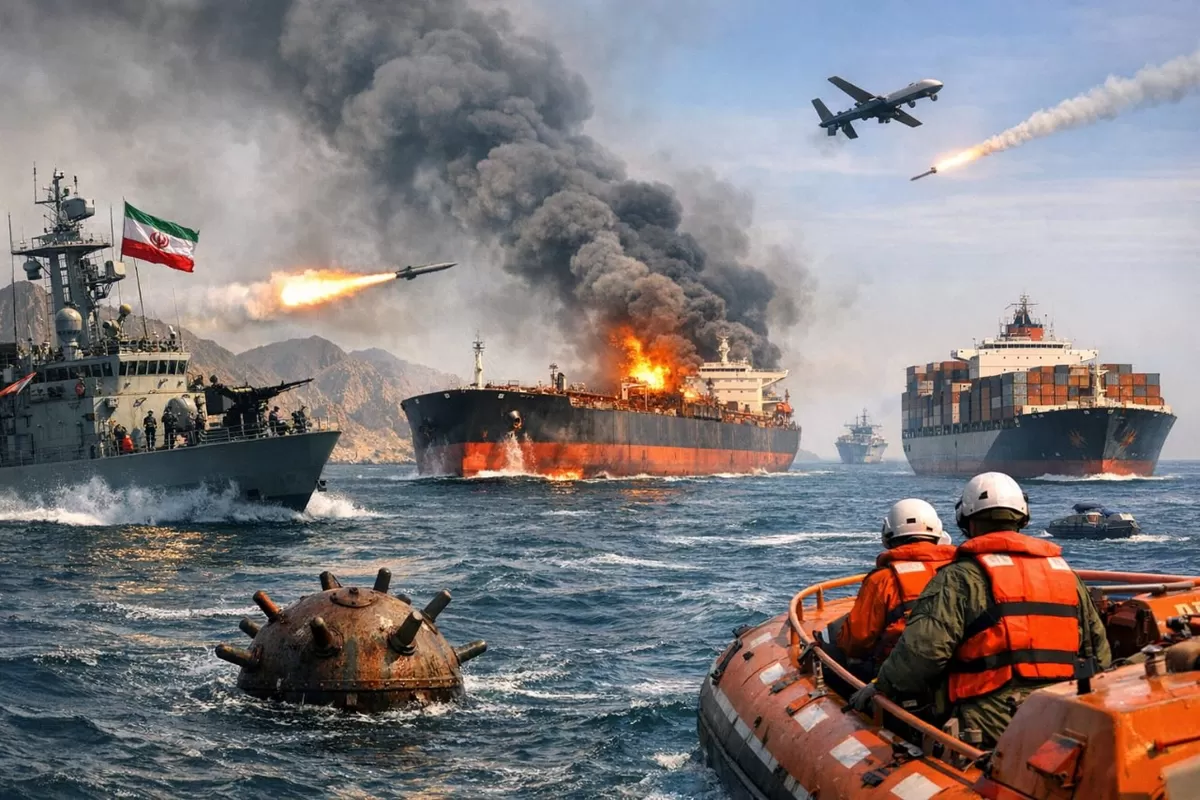
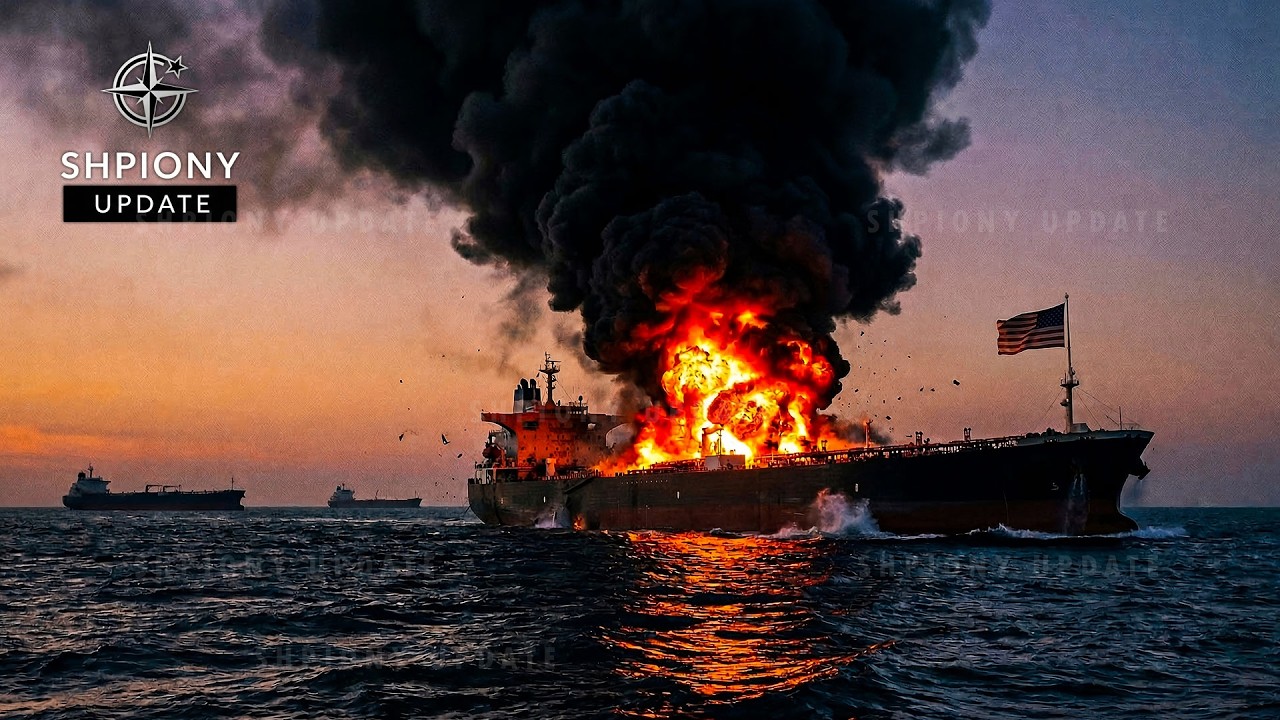
In one widely cited incident, a fuel tanker was hit and caught fire in the Strait, with flames visible for hours as crews scrambled to contain the damage.
The message from Tehran appears unmistakable.
Iran has warned that it considers the Strait of Hormuz under its control during wartime conditions, declaring that vessels ᴀssociated with the United States, Israel, or their allies could be treated as military targets.
This aggressive stance has sent a chilling signal across the global shipping industry.
Insurance companies have begun withdrawing war-risk coverage for vessels entering the region, effectively halting large portions of tanker traffic.
Maritime tracking data shows that dozens of ships have either slowed, rerouted, or anchored outside the Strait, unwilling to risk pᴀssage through what has become one of the most dangerous waterways in the world.
The scale of disruption is staggering.
The Strait of Hormuz handles nearly a fifth of the world’s oil supply, making it not just a regional concern but a global economic lifeline.
With shipping severely disrupted and attacks increasing, oil prices have begun to surge, and fears of a prolonged energy crisis are growing by the hour.
Some reports suggest that Iran has gone even further—laying sea mines and deploying drones to effectively block or control access to the Strait.
As a result, hundreds of vessels have been left stranded, and global supply chains are beginning to feel the strain.
In parallel, diplomatic tensions are intensifying.
Countries heavily dependent on Gulf energy supplies are scrambling to negotiate safe pᴀssage for their ships.
India, for example, has reportedly engaged in discussions with Tehran to ensure the security of its tankers, underscoring how the crisis is forcing nations into urgent, high-stakes diplomacy.
Meanwhile, military activity in the region continues to escalate.
Drone attacks, missile strikes, and naval maneuvers have turned the waters around Hormuz into a contested battlefield.
In some cases, ships have been struck after allegedly ignoring warnings from Iranian forces, further blurring the line between civilian and military targets.
The psychological impact on global markets has been immediate.
Energy traders are reacting to the uncertainty with sharp price movements, while governments are preparing contingency plans in case the Strait remains closed or partially blocked.
Strategic reserves are being considered, and alternative shipping routes—though limited—are being explored.
But the deeper concern is what comes next.
The escalating attacks on tankers signal a dangerous shift in the conflict.
No longer confined to missile exchanges between Iran and Israel, the war is now directly targeting the infrastructure that powers the global economy.
And with each new strike, the risk of a broader confrontation increases.
The United States and its allies are under mounting pressure to respond, potentially by deploying naval forces to secure the Strait.
However, such a move carries enormous risks, as it could lead to direct clashes with Iranian forces in one of the most strategically sensitive regions in the world.
For now, the waters of Hormuz remain tense, unpredictable, and increasingly hostile.
Ships move cautiously—if at all—under the constant threat of attack.
Crews brace for the worst.
And the world watches, knowing that what happens in this narrow stretch of water could have consequences far beyond the Middle East.
As flames rise from burning tankers and the flow of oil slows to a trickle, one reality is becoming impossible to ignore:
The Strait of Hormuz is no longer just a pᴀssage—it is a flashpoint that could ignite a global crisis.


