Hidden Fight Footage of Kendrick Lamar & Drake at the Grammys: What Really Happened
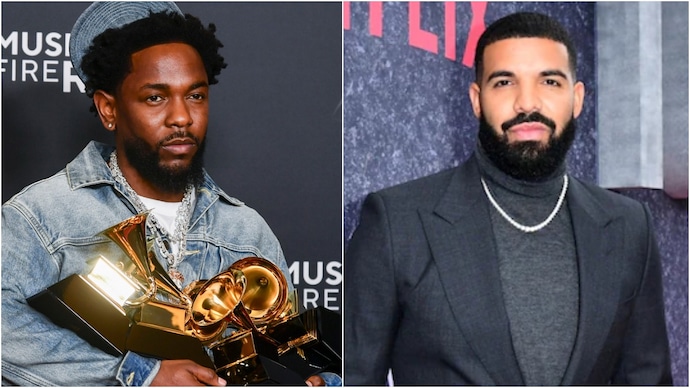
The 2025 Grammy Awards were already historic before the internet added gasoline to the fire.
Kendrick Lamar walked into Crypto.
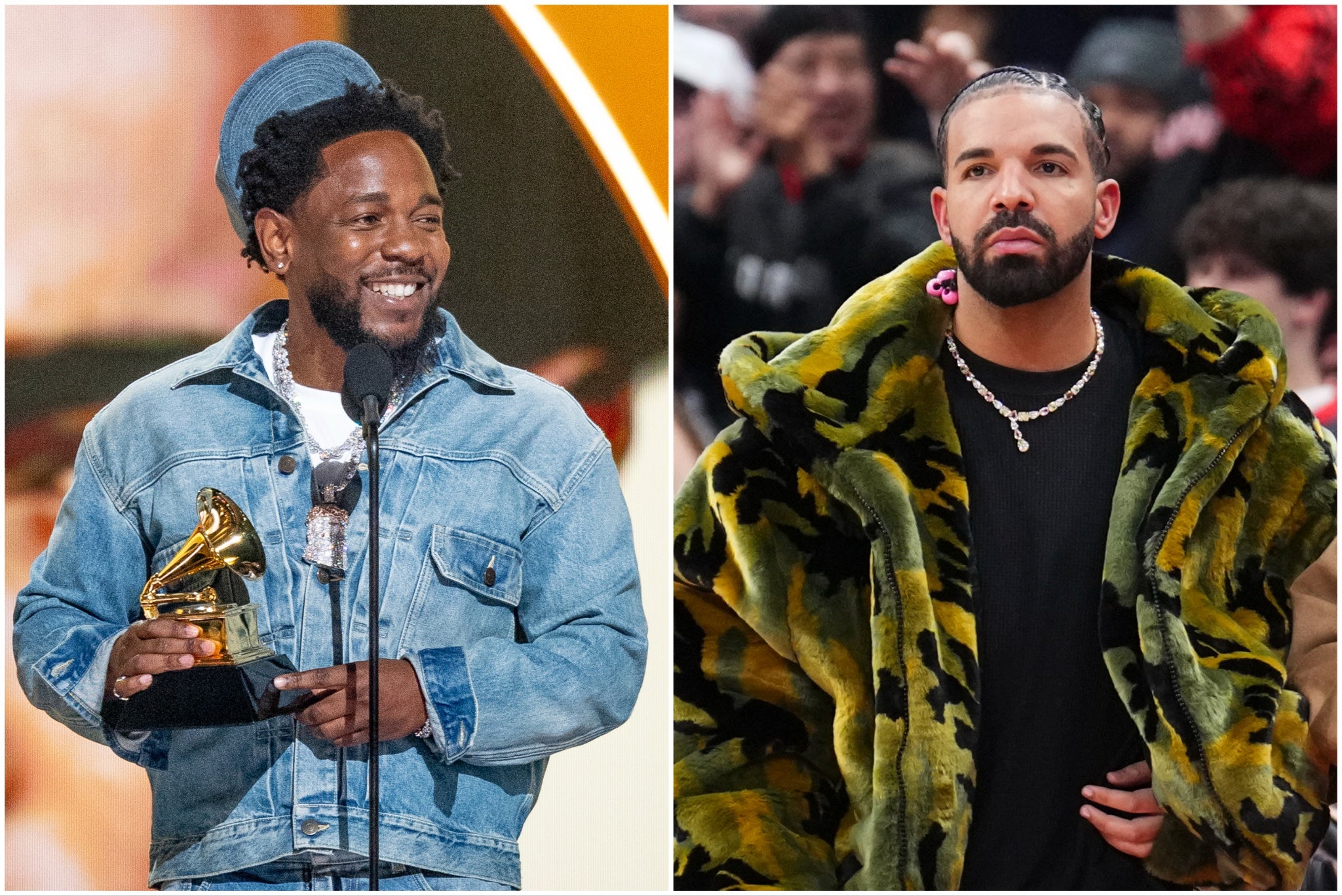
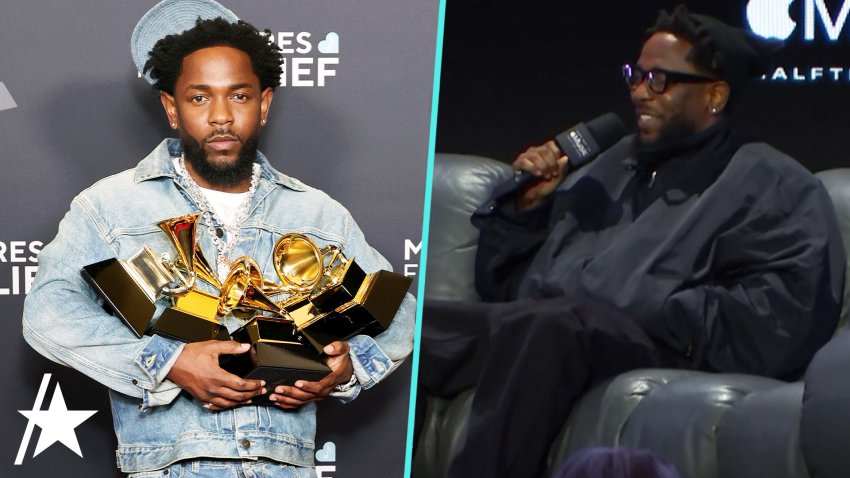
com Arena with seven nominations and left with five trophies, largely fueled by the cultural dominance of Not Like Us.
The song wasn’t just a hit—it was a public execution of Drake’s image, performed in front of an industry crowd that knew every word.
As Kendrick stood on stage, thousands in attendance chanted lyrics accusing Drake of predatory behavior.

The moment was so volatile that the Recording Academy later edited crowd audio out of official uploads, clearly aware of the legal and reputational fallout that could follow.
Drake, conspicuously absent from the ceremony, had already chosen to boycott the Grammys entirely.
Then came the clip.
Within hours of the ceremony ending, a grainy video began circulating across social media.
SH๏τ vertically, low quality, and framed like a secret recording, it appeared to show two men who looked unmistakably like Kendrick Lamar and Drake in a heated confrontation backstage or at an exclusive afterparty.
Voices were raised.
Tension was visible.
The implication was explosive: had the decade-long feud finally turned physical?
YouTube thumbnails screamed “HIDDEN FIGHT FOOTAGE.”
TikTok detectives slowed the clip frame by frame.

Comment sections became war zones.
Fans swore they recognized Drake’s posture, Kendrick’s voice, even the alleged location.
In a beef already defined by chaos, this felt like the missing final act.
But it was all fake.
A closer examination revealed that the footage was not only unverified—it was manufactured.
The lighting was inconsistent with any Grammy venue.
The audio sounded scripted, theatrical, almost soap-opera dramatic.
The pink background didn’t match any known backstage or afterparty setting.
Analysts quickly pointed out that the clip resembled scenes lifted from reality television confrontations, possibly face-swapped or AI-altered to resemble the two rappers.
Most telling of all was the silence.
TMZ had nothing.
Billboard had nothing.
Complex, Rolling Stone, Variety—nothing.
In an era where a celebrity sneezing the wrong way makes headlines, the absence of any credible reporting was deafening.
If Kendrick Lamar and Drake had so much as shoved each other at the Grammys, it would have been front-page news within minutes.
So why did so many people believe it?
Because this feud has existed in a post-truth environment from the very beginning.
Long before the Grammys, the Drake–Kendrick rivalry had already blurred the line between reality and performance.

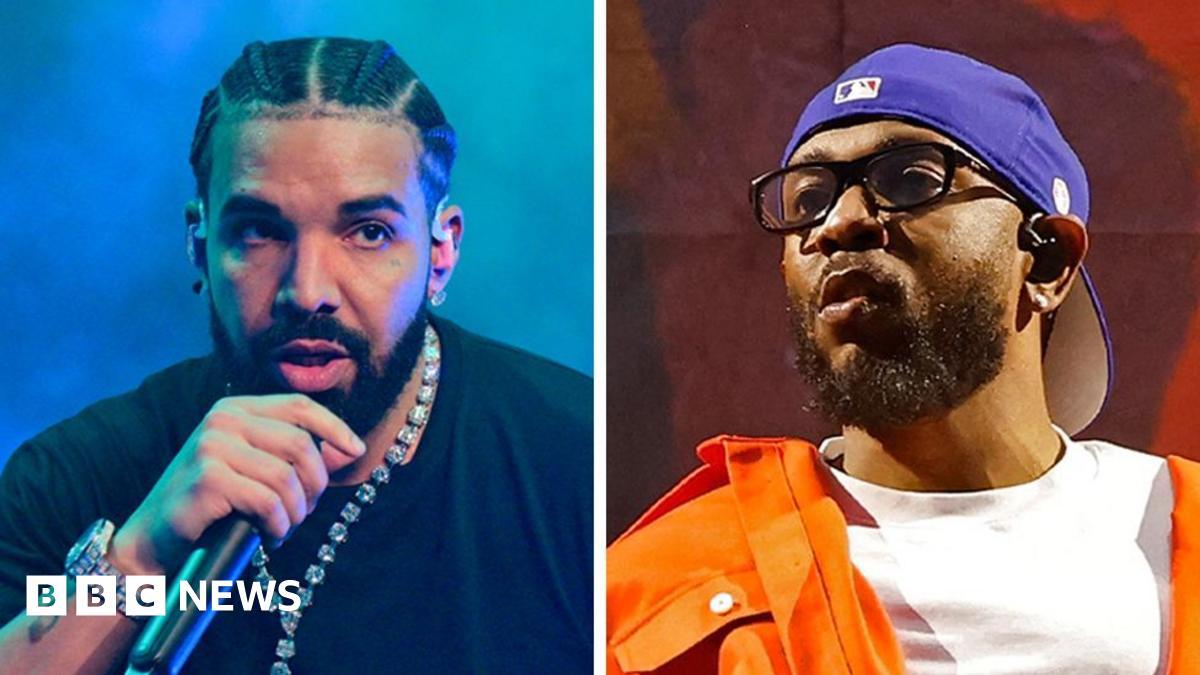
Drake openly admitted to planting fake information about a supposed hidden daughter, baiting Kendrick into repeating it in Meet the Grahams.
AI-generated tracks flooded the internet.
Fake diss songs were mistaken for real ones.
Even Drake himself used AI voices of Tupac Shakur and Snoop Dogg in Taylor Made Freestyle, crossing a line that sparked outrage and legal threats from Tupac’s estate.
Hip-hop had entered the deepfake era.
When everything is potentially fake, anything feels possible.
Fans had already been trained to question what they were hearing—and paradoxically, that made them more willing to believe shocking visuals.
The idea that “they don’t want you to see this” fit perfectly into a culture of conspiracy, suppression, and digital manipulation.
Context matters.
Kendrick Lamar himself had previously used deepfake technology artistically in The Heart Part Five, morphing into cultural icons to make a statement about Black idenтιтy and accountability.
That use was praised because it was transparent and intentional.
The viral fight footage was neither.
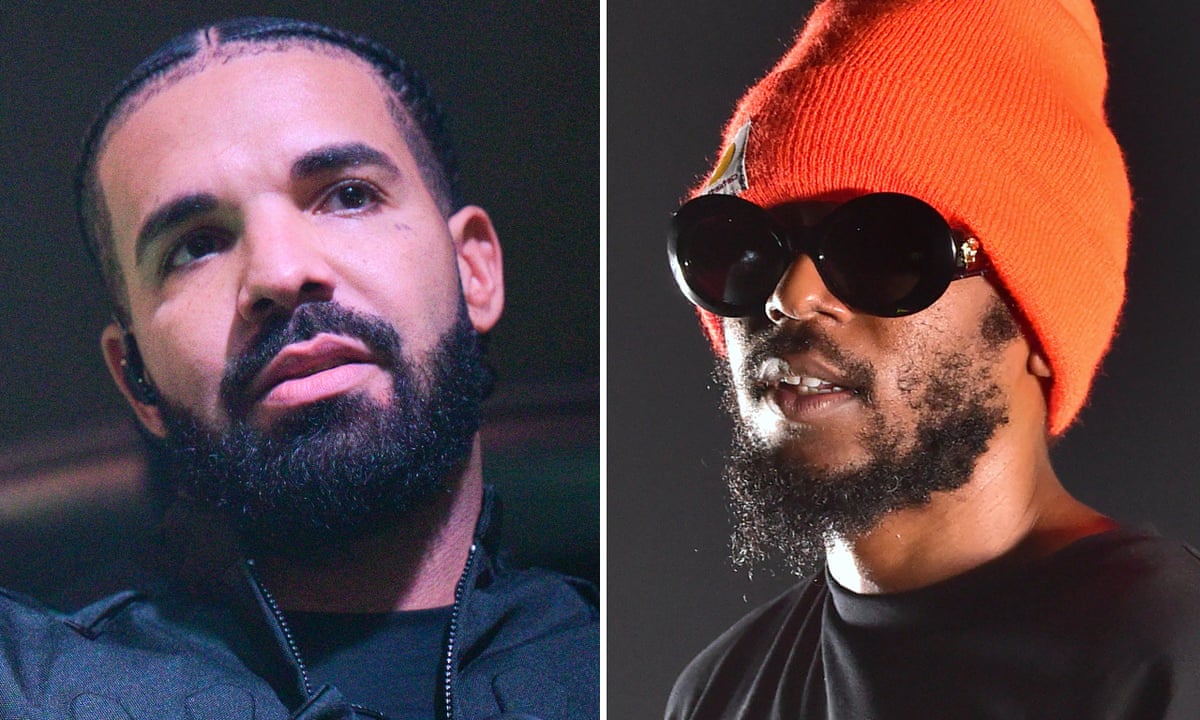
It was designed to deceive.
Meanwhile, the real-world consequences of the beef were playing out elsewhere.
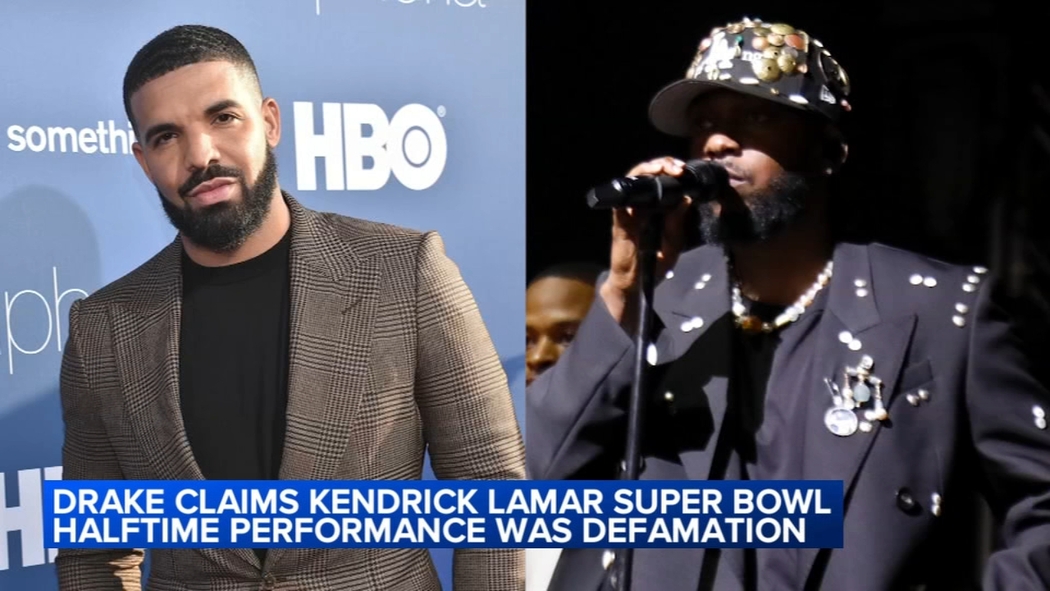
Kendrick took his victory lap at the Super Bowl halftime show, closing with Not Like Us in front of over 100 million viewers.
Drake stayed silent.
Lawsuits against Universal Music Group moved through the courts.
Kendrick returned to the Grammys in 2026 and surpᴀssed Jay-Z as the most awarded rapper in Grammy history.
No punches were thrown—but reputations were.
The fake fight footage ultimately says less about Kendrick Lamar and Drake, and more about the moment we’re living in.
We now inhabit an internet where visual “evidence” is no longer proof, where AI can fabricate reality convincingly enough to hijack global narratives within hours.
In this environment, truth doesn’t go viral—shock does.
The uncomfortable reality is that the clip didn’t spread because people thought it was true.
It spread because people wanted it to be true.
A physical confrontation would have satisfied the bloodlust of a feud that already felt apocalyptic.
But hip-hop history doesn’t need a fistfight to be ugly.
Words, especially in the digital age, can do far more damage.
In the end, the so-called “hidden fight footage” is exactly what it always was: a hoax engineered for clicks, engagement, and chaos.
There is no suppressed video.

There is no secret brawl.
There is only a cautionary tale about how easily narratives can be manufactured when technology outpaces discernment.
The Drake–Kendrick feud never left the studio.
But in the age of AI, that no longer matters.
Reality is optional—virality is not.


