Nazareth: The Ancient Paths That Hold the Footsteps of Jesus
For centuries, Nazareth was little more than a footnote in history — a small Galilean village absent from the Old Testament, unmentioned by prominent historians like Josephus, and regarded with suspicion even in its own time.
“Can anything good come from Nazareth?” Nathanael famously asked in the Gospel of John. The question reflected a broader sentiment: Nazareth was insignificant, remote, and easily overlooked.
Yet it was precisely here that Jesus spent nearly thirty years of His life.

In the first century, Nazareth was home to perhaps 400–500 inhabitants.
It was an agricultural settlement, sustained by olives, vineyards, and grain.
Homes were modest, often built partially into natural limestone caves. These rock-hewn dwellings provided cool shelter from the Galilean heat and protection during uncertain times. Archaeological excavations have revealed courtyards, storage chambers, rainwater systems, and ritual features that point to a devout Jewish community attentive to purity laws.
This was the environment in which Jesus grew — not in royal courts or academic centers, but among peasants, artisans, and faithful families rooted in ancestral tradition.
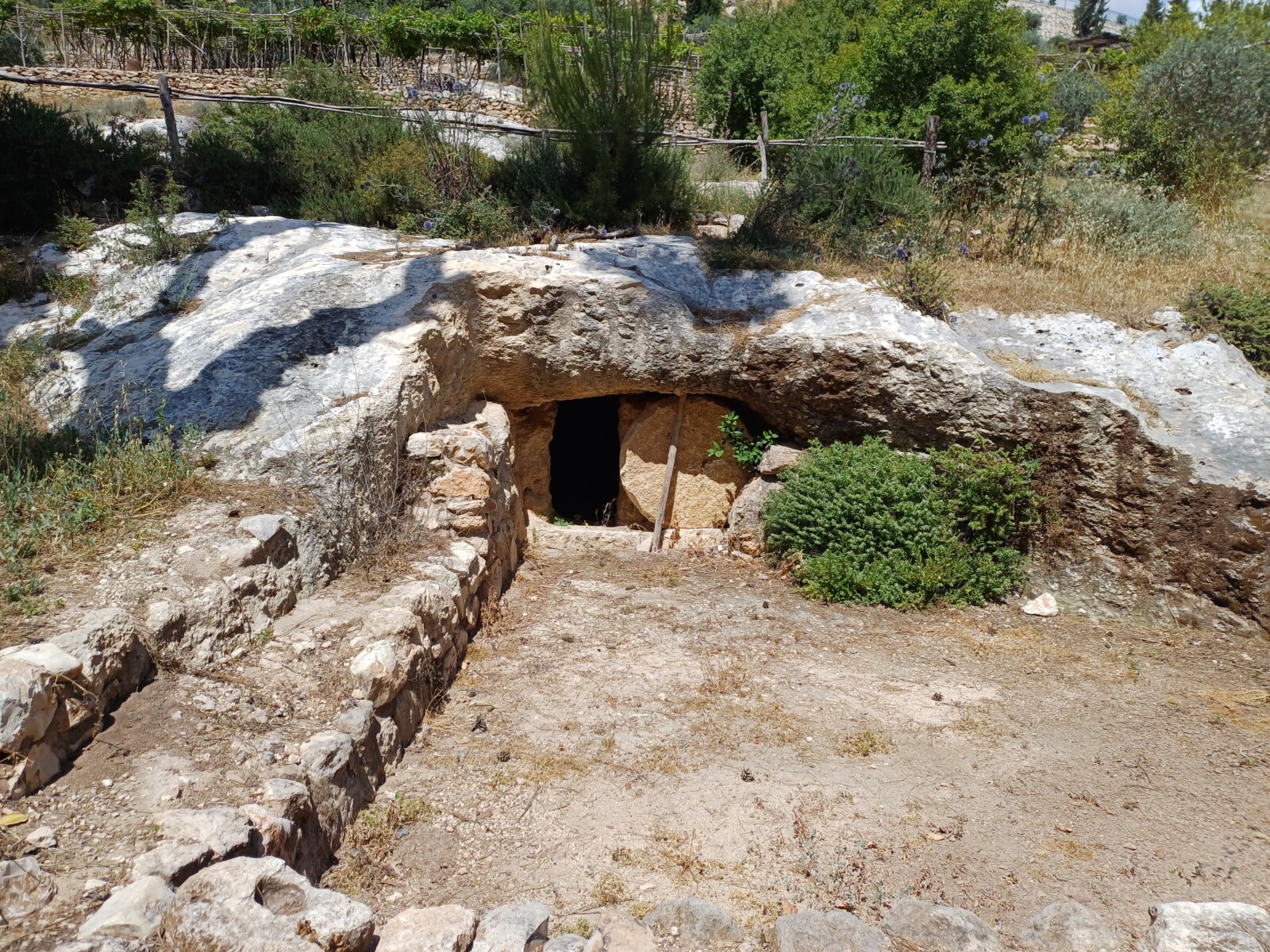
In 2009, Israeli archaeologists uncovered a first-century house in Nazareth dated to the time of Jesus.
With two rooms and a courtyard carved into rock, it offered tangible confirmation that the village described in the Gospels was not symbolic or invented. Pottery fragments and structural features matched other Galilean homes from that era.
The discovery was significant: Nazareth existed, and it was inhabited during the lifetime of Christ.
Even more intriguing are excavations beneath the Sisters of Nazareth convent, near the Basilica of the Annunciation.
Between 2006 and 2015, Professor Ken Dark of Cambridge University led investigations that uncovered a carefully constructed first-century dwelling.

Built of limestone — a material considered ritually pure in Jewish law — the house included carved stairs, storage areas, and living spaces consistent with a devout Jewish family.
Early Byzantine and Crusader structures had been built directly above this site, suggesting a long-standing tradition that it was ᴀssociated with the Holy Family. While no scholar can definitively declare it the house of Jesus, the convergence of archaeology, architecture, and early Christian memory makes it a compelling possibility.
Nazareth’s significance also extends to its name. Many scholars trace it to the Hebrew word netzer, meaning “branch” or “shoot,” echoing Isaiah 11:1: “A shoot will come up from the stump of Jesse.” The тιтle “Jesus of Nazareth” may therefore carry prophetic resonance, linking Him symbolically to the promised branch of David’s lineage. Others suggest connections to words meaning “watchtower” or “consecrated,” adding further theological depth.

The village was not only the setting of Jesus’ hidden years but also the scene of one of His earliest public rejections.
In the synagogue, as recorded in Luke 4, Jesus read from Isaiah and declared the prophecy fulfilled in their hearing. The response shifted from admiration to outrage.
Those who had known Him as a carpenter’s son could not reconcile familiarity with divine authority. According to the Gospel account, they attempted to drive Him out of town.
Nazareth thus became both cradle and crossroads — the place of formation and the first taste of rejection that foreshadowed the cross.

Nearby Cana, only a few kilometers away, marked the beginning of His public miracles.
There, at a wedding, Jesus turned water into wine — a sign rich in symbolism and transformation.
Archaeological remains at sites traditionally identified as Cana include ancient dwellings, ritual vessels, and evidence of Jewish settlement during the relevant period. While debate continues about the precise location, the broader Galilean landscape aligns closely with the Gospel narrative.
Modern archaeology has also refuted claims that Nazareth did not exist before the New Testament era. Excavations have revealed continuous habitation dating back to the Bronze and Iron Ages.
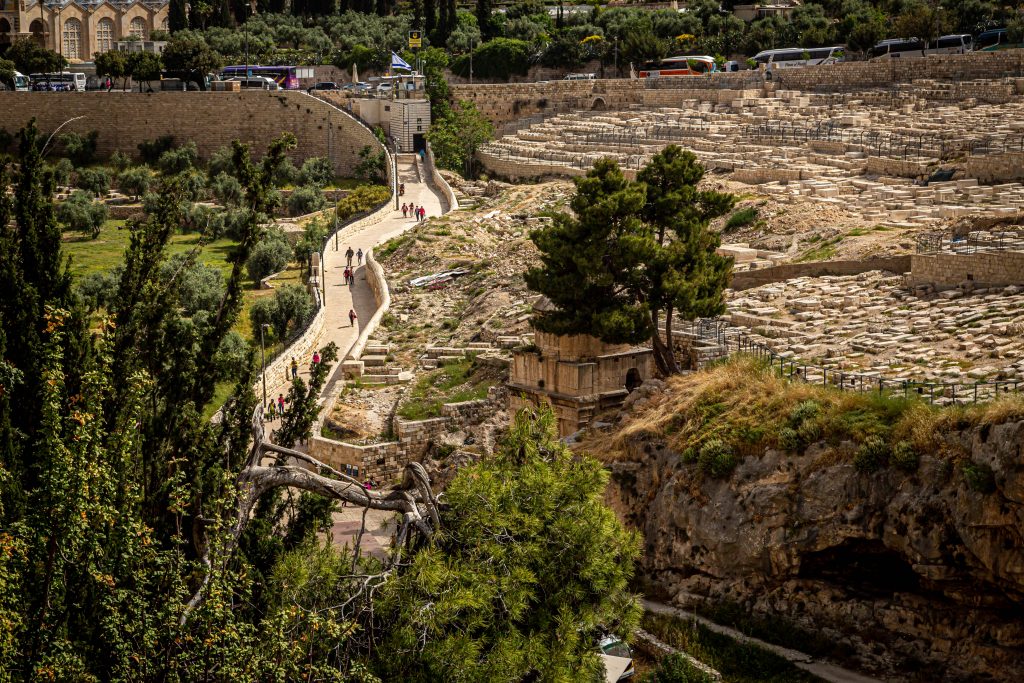
Grain silos, agricultural tools, and pottery attest to an established settlement long before the first century. In 1962, a third-century inscription discovered in Caesarea Maritima mentioned Nazareth explicitly — the earliest known extra-biblical reference to the town.
By the fourth century, following Emperor Constantine’s legalization of Christianity, Nazareth became a site of pilgrimage. The pilgrim Egeria described visiting a cave ᴀssociated with Mary. Byzantine churches were constructed over locations believed to hold sacred memory, including the site traditionally identified as the Annunciation.
The modern Basilica of the Annunciation, completed in 1969, stands above layers of earlier churches and preserved grottoes, bearing the inscription: Verbum caro factum est — “The Word became flesh.”
These layers of stone and faith testify to something remarkable: Nazareth was never merely a geographical detail. It was the setting where the Incarnation unfolded quietly, where the eternal entered the ordinary. Its caves and courtyards shaped the daily rhythms of a family whose child would change the course of history.
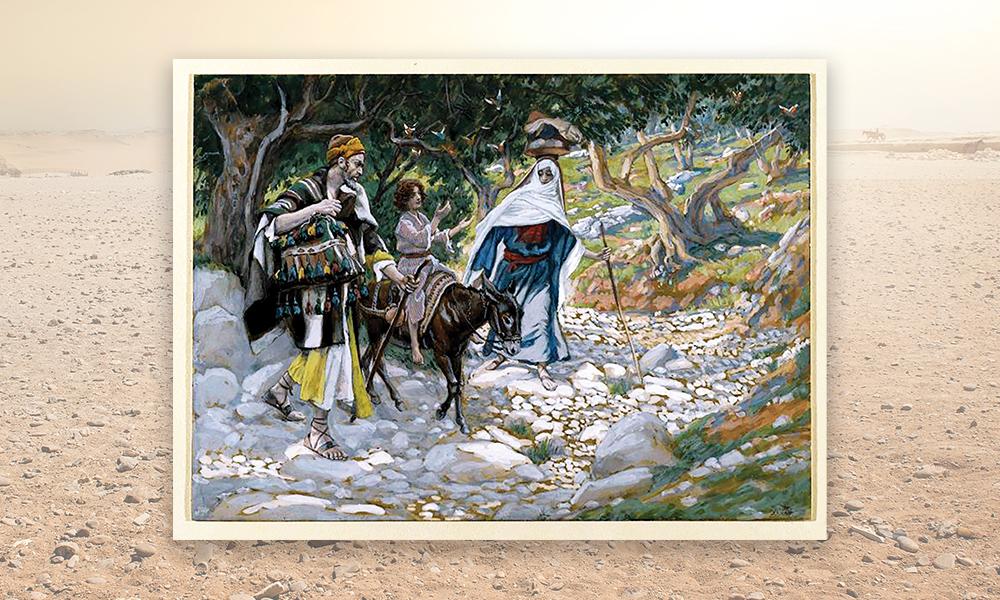
Nazareth challenges ᴀssumptions about greatness. It suggests that divine purpose often germinates in obscurity. The one called “Jesus of Nazareth” carried the name of a town that the world once dismissed. Yet from its dusty paths emerged a message that transformed civilizations.
Today, pilgrims continue to walk those same hills. Some come seeking historical confirmation; others seek spiritual renewal. What they encounter is a place where archaeology and belief intersect — where carved stone and ancient inscriptions whisper of continuity, memory, and incarnation.
Nazareth reminds us that faith is not detached from history. It is rooted in real landscapes, real homes, real communities. Beneath its silence lies a powerful testimony: that redemption began not in spectacle, but in simplicity.


