The DNA Debate: What Modern Genetics Really Revealed About Hitler’s Ancestry
For over a century, one of the most persistent mysteries surrounding Adolf Hitler was not about his political rise or the crimes of the Third Reich, but about his origins.
His father, Alois Hitler, was born out of wedlock in 1837 to Maria Anna Schicklgruber in rural Austria.
No father was listed on the baptismal record.
Decades later, Alois’s surname was legally changed to “Hitler” after a posthumous declaration that a relative, Johann Georg Hiedler, had acknowledged paternity.

Yet doubts lingered.
Was Johann Georg truly the biological father? Or was it his brother, Johann Nepomuk, who raised Alois and later arranged the legal changes? The uncertainty surrounding Alois’s parentage meant that Adolf Hitler’s paternal grandfather was never definitively identified.
That ambiguity fueled speculation for decades — including claims that Hitler might have had Jewish ancestry.
The most famous version of that theory emerged after World War II.
Hans Frank, Hitler’s former personal attorney, wrote in his prison memoir that Hitler had once ordered him to investigate rumors about his family.

Frank claimed to have uncovered evidence suggesting that Hitler’s grandmother had worked for a Jewish family in Graz and that a member of that household had fathered Alois.
According to Frank, payments were allegedly made for child support.
Most historians rejected this account.
Research indicated that Jews had been expelled from Graz centuries earlier and were not legally permitted to reside there at the time Alois was conceived.
No documentation of the alleged Jewish family was ever found.
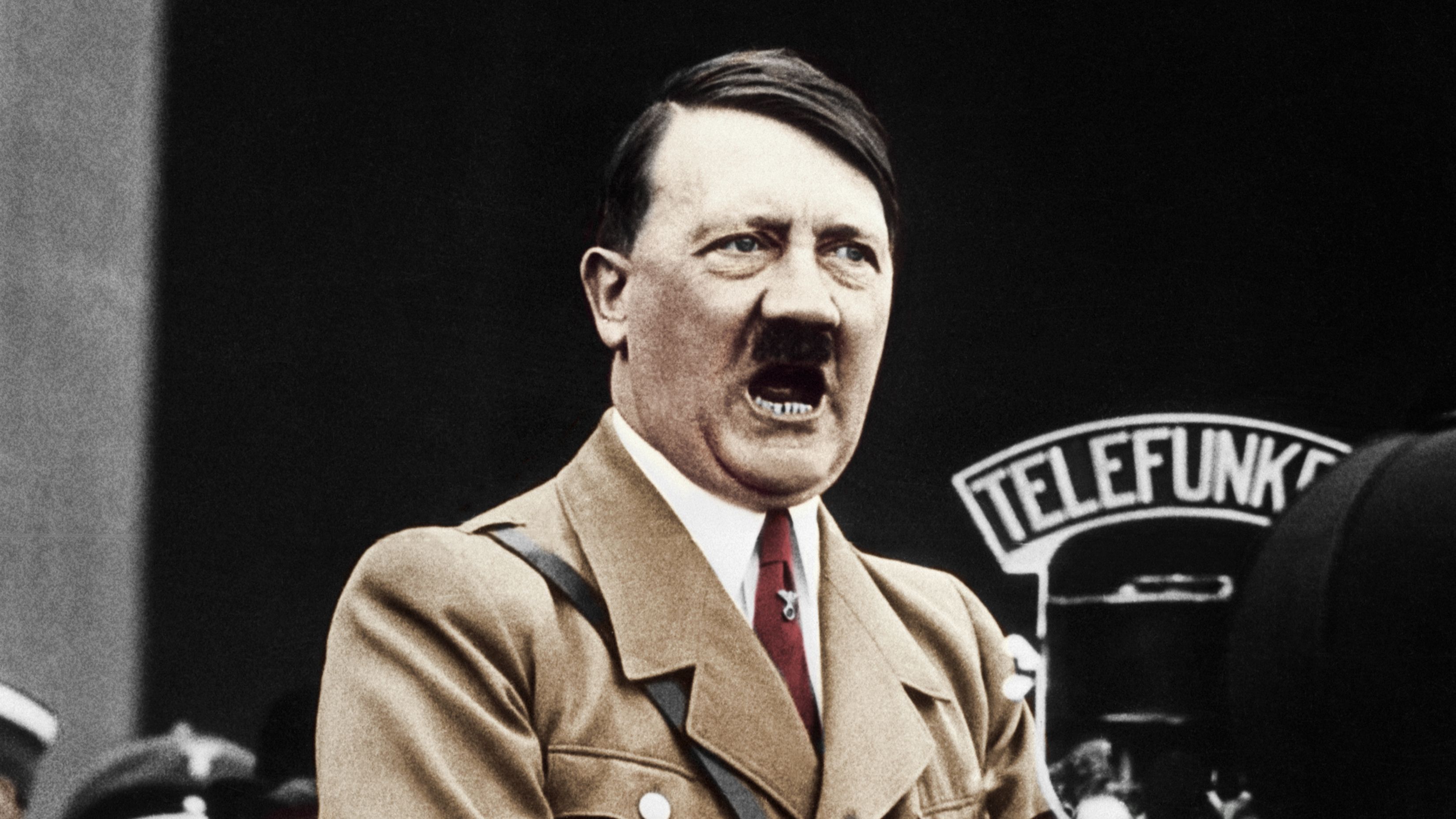
Over time, the “Jewish grandfather” theory was largely dismissed by mainstream scholarship.
Then, in 2010, a new development reignited global headlines.
A Belgian journalist and a historian conducted Y-chromosome testing on living male relatives of Hitler.
The Y chromosome, pᴀssed from father to son, traces paternal lineage.
The results identified a haplogroup known as E1b1b — a lineage found at higher frequencies in North Africa and also present among some Ashkenazi Jewish populations.

Sensational headlines followed, suggesting Hitler had Jewish or African ancestry.
But geneticists quickly cautioned against oversimplification.
Haplogroup E1b1b is rare in Western Europe but not extraordinary.
It appears in a small percentage of men in Germany and Austria with no Jewish ancestry whatsoever.
The lineage originated tens of thousands of years ago and spread widely through ancient migrations.

Possessing that haplogroup does not point to a specific recent ethnic idenтιтy.
Moreover, the 2010 study tested relatives — not Hitler himself.
The ᴀssumption was that the Y chromosome of these relatives matched Hitler’s through an unbroken paternal line.
However, without direct DNA from Hitler, certainty was limited.
Any undocumented break in the lineage generations earlier could have altered the results.
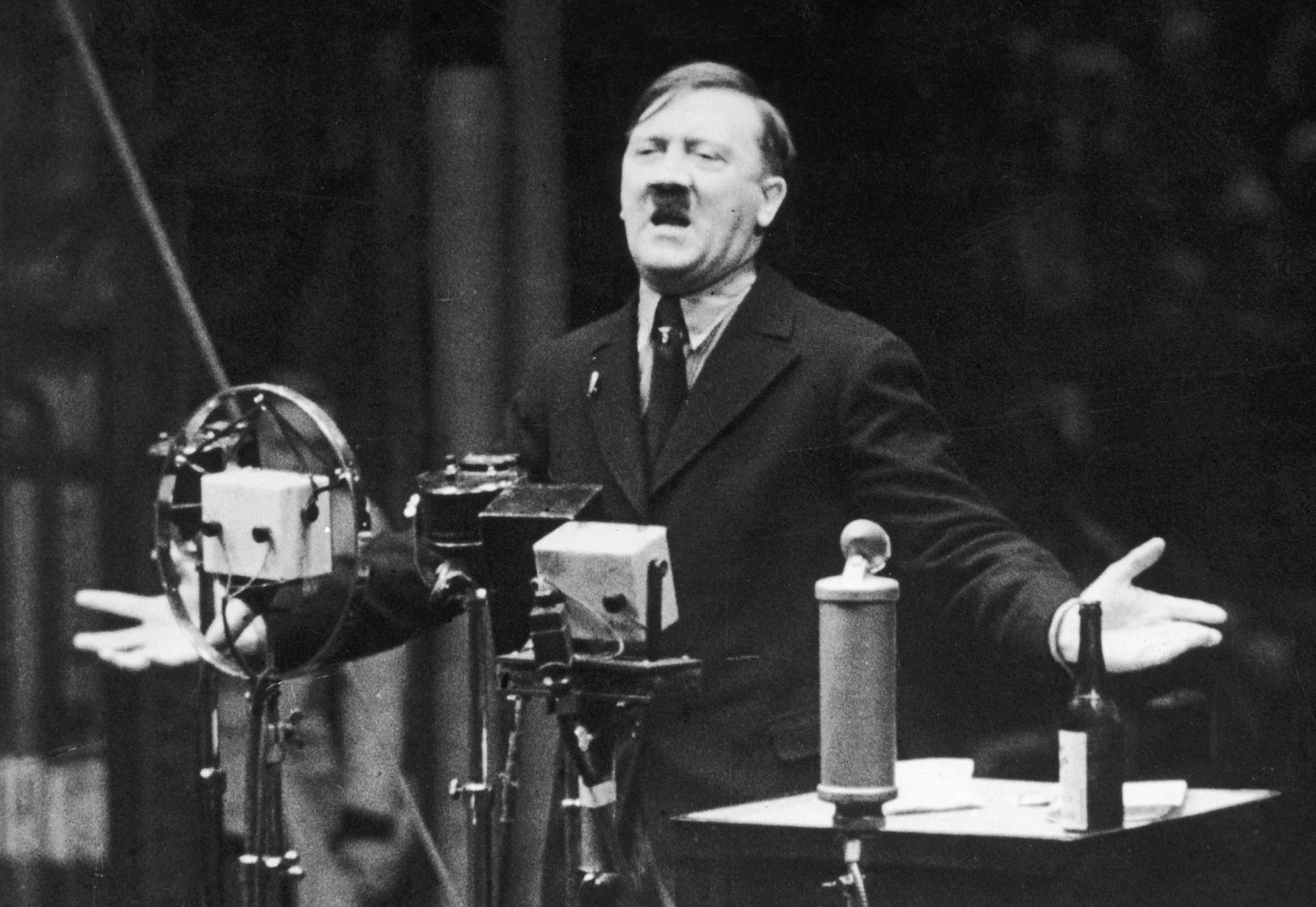
The situation shifted in the late 2010s and early 2020s when researchers were granted access to biological material reportedly linked to Hitler’s final days in 1945.
Among the artifacts preserved in Russian archives was bloodstained fabric from the Berlin bunker.
After years of analysis, a research team extracted DNA and compared it to a confirmed male-line relative.
The Y chromosome markers matched, supporting the authenticity of the sample and confirming the paternal lineage traced through the Hitler family line.
Importantly, the findings did not support the long-standing claim of a Jewish grandfather.
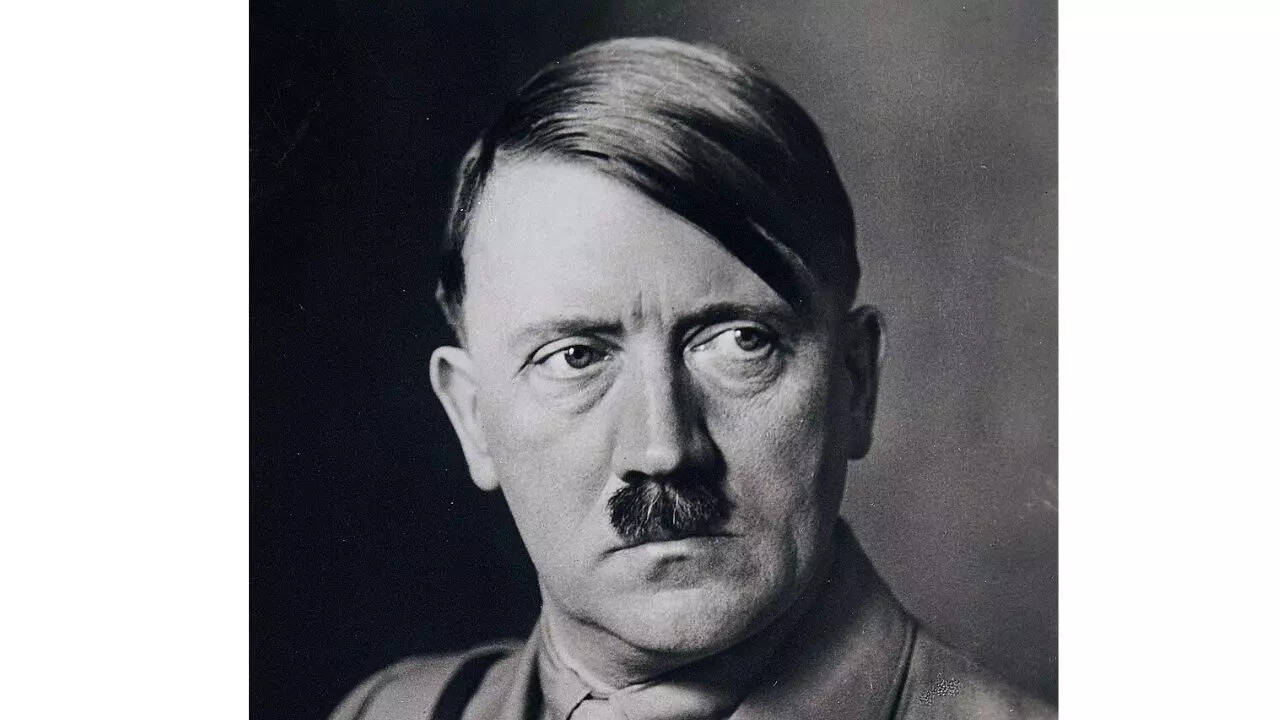
If Alois’s biological father had been unrelated to the documented male line, the Y chromosome would not have matched.
The genetic continuity suggested that the established paternal lineage was intact.
Yet the DNA research did not end there.
Scientists also analyzed genetic markers ᴀssociated with certain medical conditions.
They identified a deletion in a gene linked to Kallmann syndrome, a rare disorder affecting hormonal development and puberty.
While such a variant can be ᴀssociated with reproductive abnormalities, experts emphasized that genetic markers indicate possibilities, not diagnoses.
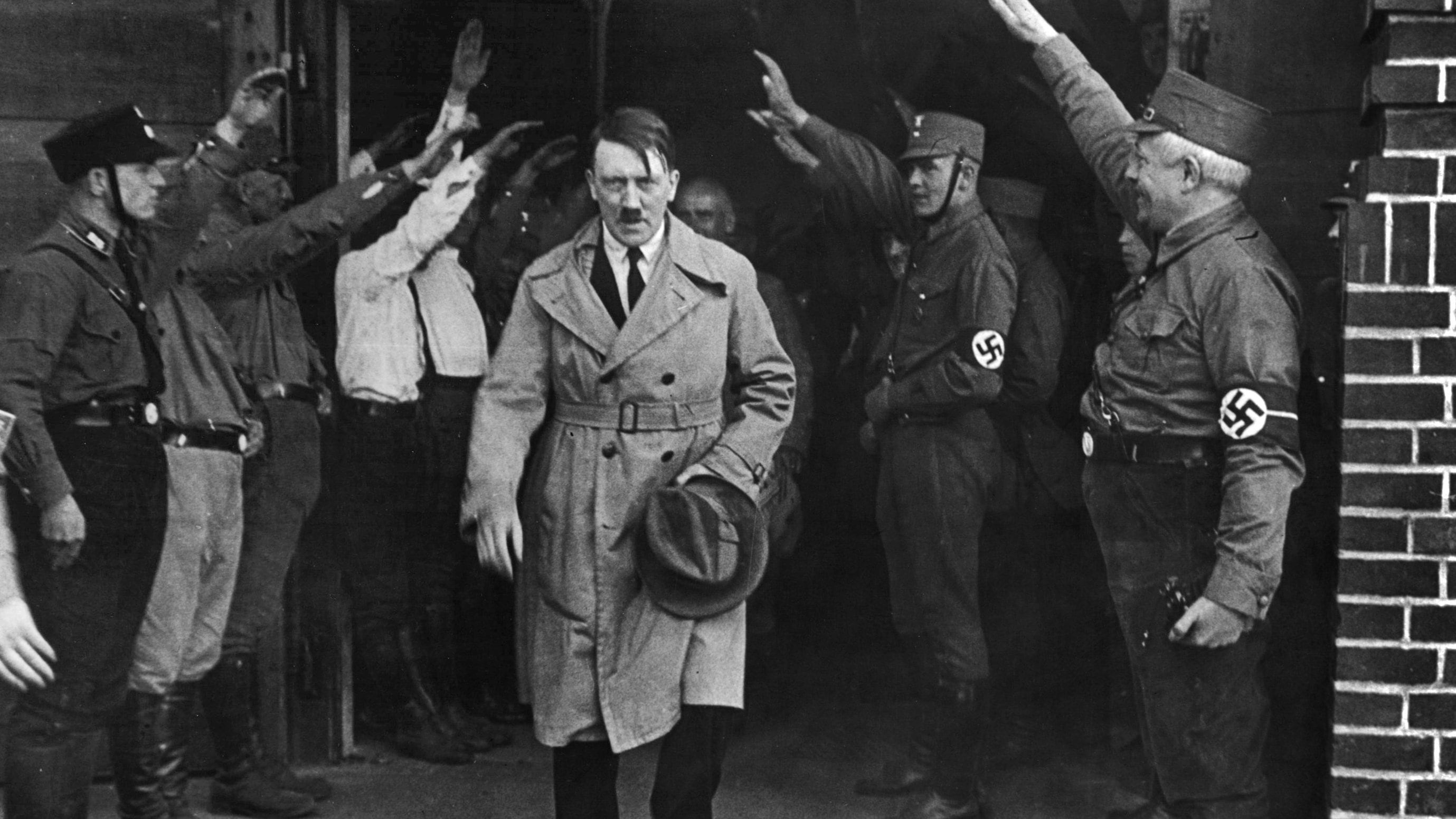
There is no definitive proof that Hitler had this condition.
Researchers also calculated polygenic risk scores related to psychiatric disorders by comparing the genetic data to large population databases.
The results indicated elevated statistical risk markers for certain conditions.
However, specialists stressed that polygenic risk scores do not determine whether an individual actually had a disorder.
They describe probabilities across populations, not certainties about a specific person.
When a documentary presenting these findings aired in 2025, it sparked sharp criticism from geneticists and historians.
Critics argued that the program overstated conclusions and blurred the line between scientific nuance and dramatic storytelling.
Others raised ethical concerns, warning against linking complex mental health conditions to a single historical figure in ways that might stigmatize living individuals.
In the end, what did the DNA truly reveal?
It confirmed that Hitler’s paternal lineage was consistent with documented family records.
It undermined the enduring rumor of a Jewish grandfather.
It showed that his Y-chromosome haplogroup was part of a broad genetic pattern found across multiple populations.
And it highlighted potential medical traits that remain speculative without full clinical context.
Perhaps the most striking irony is not about ethnicity at all.
Hitler built an ideology obsessed with racial purity and biological determinism.
Yet modern genetics demonstrates how deeply interconnected human populations are — how ancient lineages cross continents and defy simplistic racial categories.
If there is a historical lesson in this genetic inquiry, it may not be about hidden ancestry or dramatic revelations.
It may instead be about the fragility of racial myths in the face of scientific complexity.
DNA does not conform to ideological boundaries.
It tells a story of migration, mixture, and shared human origins.
More than a century after Alois Hitler’s birth record left a blank space for “father,” science has filled in some gaps.
But it has also exposed how easily genetic data can be misunderstood, politicized, or sensationalized.
In the end, the most definitive revelation may be this: the narrative of racial purity that defined Nazi ideology was never grounded in biological reality.
Modern genetics, with all its nuance and limitations, makes that clearer than ever.


