“Northern Morocco Floods Displace Over 50,000 as Rivers Overrun Cities and Villages”
Severe flooding across northern Morocco has forced more than 50,000 people from their homes, triggering one of the largest displacement crises the region has seen in years as relentless rains overwhelm cities, villages, and vital infrastructure.
What began as days of heavy rainfall quickly escalated into a widespread emergency, with rivers bursting their banks and entire neighborhoods swallowed by fast-rising waters.
From coastal towns to inland valleys, floodwaters surged through residential areas with little warning.
Families fled in the middle of the night, carrying children and whatever belongings they could salvage as streets turned into rivers.
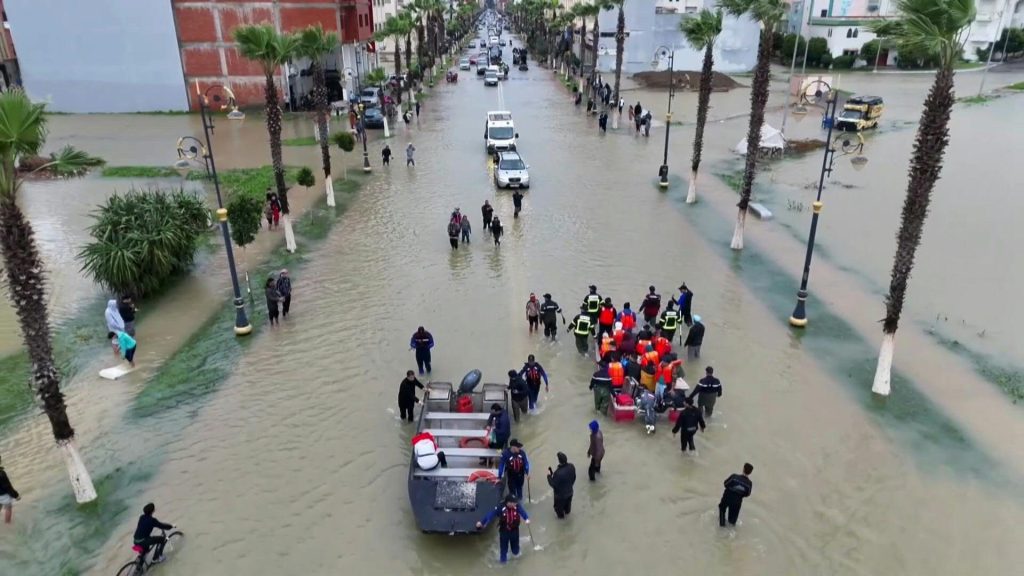
In many communities, the water rose so rapidly that evacuation became a matter of survival rather than choice.
Emergency officials reported that thousands of homes were damaged or destroyed, leaving tens of thousands without shelter.
Schools, mosques, and public buildings have been converted into temporary shelters, now crowded far beyond capacity.
Aid workers describe scenes of exhaustion and despair as displaced families wait in long lines for food, blankets, and clean drinking water.
Transportation networks across the north have been severely disrupted.
Major roads were cut off by landslides and flooding, isolating entire towns and complicating rescue efforts.
Bridges collapsed under the force of the water, while rail lines were suspended in several areas due to safety concerns.
In some regions, access remains possible only by air or through narrow, unstable routes.
Authorities have deployed emergency response units, civil protection teams, and military ᴀssistance to evacuate stranded residents and deliver supplies.
Boats and helicopters have been used to rescue families trapped on rooftops or in partially submerged homes.
Despite these efforts, officials warn that the scale of displacement continues to grow as rains persist and river levels remain dangerously high.
The humanitarian impact is deepening by the hour.
Many displaced people have lost not only their homes but also their livelihoods.
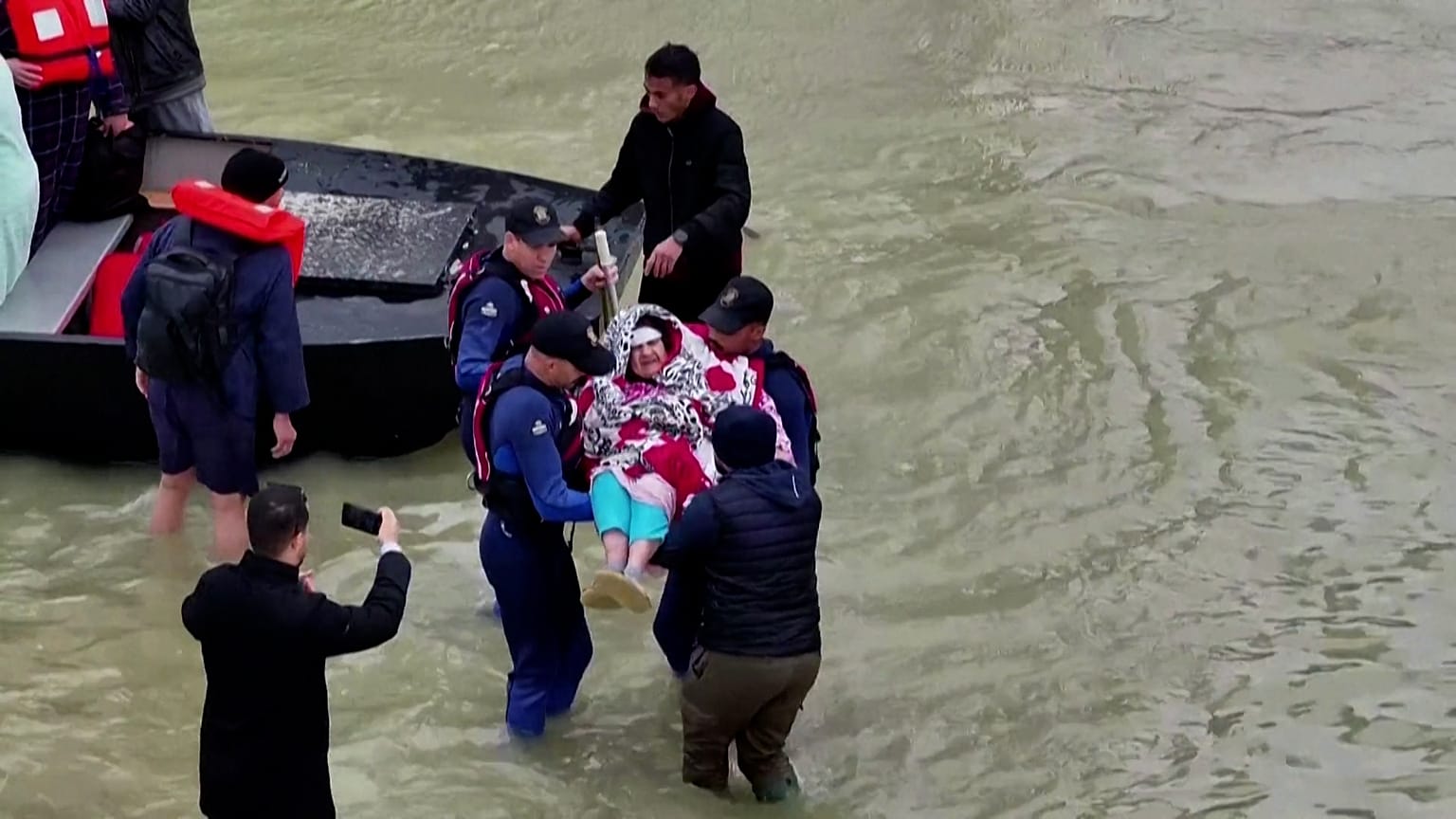
Floodwaters have devastated agricultural land, drowning crops and killing livestock across wide areas of northern Morocco.
For rural families who depend entirely on seasonal harvests, the losses threaten long-term food security and economic survival.
Health concerns are mounting as well.
Stagnant water and overcrowded shelters raise the risk of waterborne diseases, while access to medical care remains limited in isolated areas.
Children and the elderly are among the most vulnerable, with aid organizations urgently calling for additional medical supplies and sanitation support.
Local residents describe the floods as unlike anything they have experienced before.
Some say rivers rose to record levels within hours, overwhelming flood defenses and drainage systems.
Others recount watching entire streets disappear beneath muddy torrents, carrying cars, debris, and fragments of homes downstream.
Meteorologists attribute the disaster to unusually intense rainfall systems that stalled over northern Morocco, dumping mᴀssive amounts of rain in a short period.
Experts warn that climate change is increasing the frequency and severity of such extreme weather events, placing growing pressure on infrastructure not designed to handle floods of this magnitude.
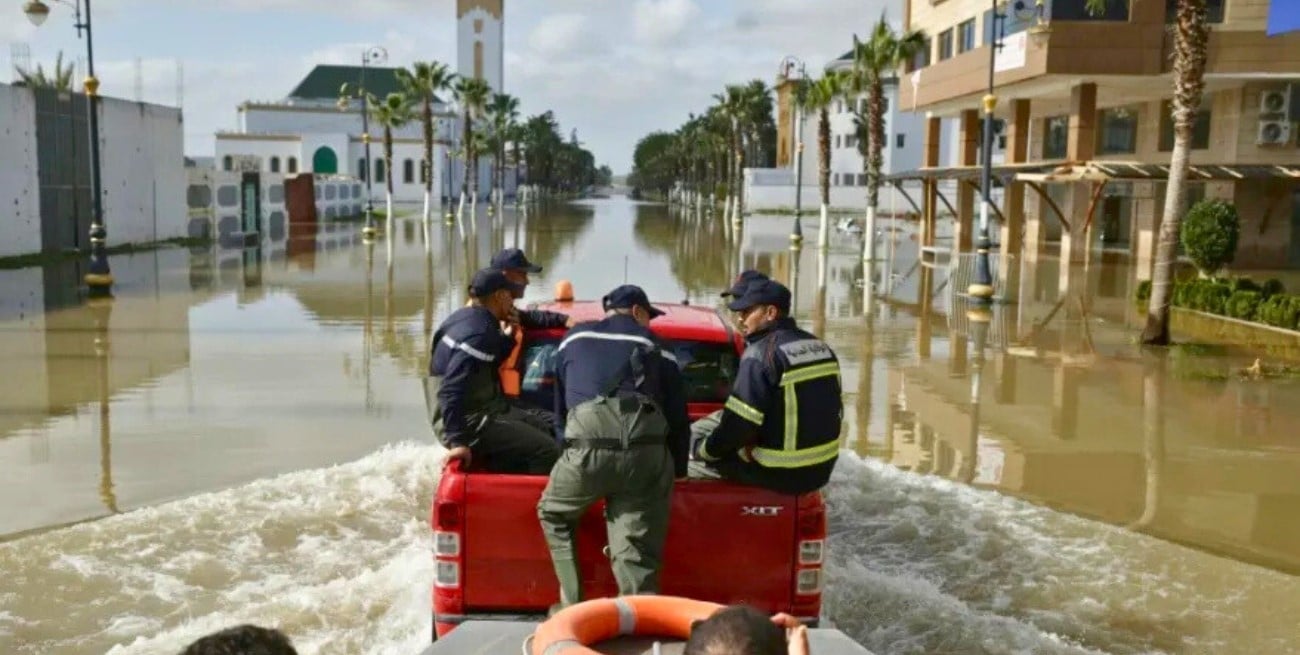
As waters slowly recede in some areas, the scale of destruction is becoming clearer.
Entire neighborhoods are coated in thick layers of mud, homes are structurally unsafe, and essential services such as electricity and clean water remain disrupted.
Rebuilding, officials say, will take months, if not years.
International aid agencies have begun mobilizing additional support, coordinating with Moroccan authorities to deliver food, clean water, and emergency shelter.
However, relief workers emphasize that immediate ᴀssistance must be followed by sustained recovery efforts to help displaced families return home and rebuild their lives.
For now, northern Morocco faces a long and uncertain road ahead.
With more than 50,000 people displaced and the threat of further rainfall looming, communities remain on edge.
The floods have left behind not only physical destruction but also a profound humanitarian crisis—one that continues to unfold as families struggle to recover from a disaster that reshaped their lives overnight.


