Rising Doubts Worldwide as Iran–Israel War Divides the International Community
The escalating war between Iran, Israel, and the United States is sending shockwaves across the global political landscape, as governments around the world struggle to respond to a conflict that is rapidly reshaping alliances, energy markets, and international diplomacy.
What began as a military confrontation in the Middle East is now evolving into a geopolitical crisis that is forcing nations to reconsider their positions on Washington’s and Tel Aviv’s actions.
In the early days of the conflict, the United States and Israel appeared to have strong backing from several Western allies.
Military operations targeting Iranian facilities were described by officials in Washington and Tel Aviv as necessary measures to neutralize threats linked to Iran’s military capabilities and missile programs.
However, as the conflict expanded and retaliatory strikes spread across the region, international reactions began to grow more complicated.
Countries across Europe, Asia, and the Middle East are now expressing a mix of support, concern, and criticism regarding the war.
Some governments have reaffirmed Israel’s right to defend itself against Iranian attacks, while others have warned that the scale of the military operations risks destabilizing the entire region.
Diplomatic tensions have been particularly visible in Europe, where leaders are walking a delicate line between supporting strategic allies and calling for restraint.
Several European officials have criticized aspects of the military campaign while simultaneously urging Iran to halt missile strikes and return to negotiations.
Behind the scenes, the debate among Western governments is becoming increasingly intense.
Analysts say many European states fear that prolonged fighting could trigger a wider regional war involving Lebanon, Gulf states, and other actors tied to Iran’s network of allied groups.
If such a scenario unfolds, the conflict could threaten vital energy routes and destabilize markets far beyond the Middle East.
Energy security is one of the most immediate concerns.
The Middle East remains the heart of global oil production, and the escalation has already created uncertainty in energy markets.
Shipping routes through the Strait of Hormuz—one of the world’s most critical oil corridors—are now under heightened security as tensions rise between Iranian forces and Western naval patrols.
Any disruption in the narrow waterway could send oil prices soaring and ripple across the global economy.
While governments debate strategy, public opinion in many countries is beginning to shift.
In the United States itself, the war has sparked protests and political debate over Washington’s role in the conflict.
Demonstrations have taken place in several American cities opposing military strikes on Iran and warning that the conflict could drag the country into another prolonged war in the Middle East.
Polling data also suggests that American public support for direct military involvement in a war with Iran remains limited.
Many citizens fear that escalation could lead to unpredictable consequences both abroad and at home.
Across the developing world, reactions to the war have been even more critical.
Several governments in Asia, Africa, and the Middle East have condemned the attacks on Iranian territory, arguing that the strikes risk violating international law and could ignite a broader regional conflict.
Some leaders have warned that military escalation will only deepen instability and push the Middle East closer to catastrophe.
Russia and China have also voiced concern about the conflict, calling for diplomatic solutions and warning that continued fighting could threaten global security.
Analysts say both countries see the crisis as a turning point in the balance of power in the Middle East, particularly as tensions between Western and non-Western powers continue to grow.
At the same time, religious leaders and humanitarian organizations have appealed for peace.
Pope Leo recently condemned the ongoing violence in the region, describing the suffering caused by the war as “atrocious” and urging an immediate ceasefire to prevent further civilian casualties.
The humanitarian dimension of the war is becoming increasingly difficult to ignore.
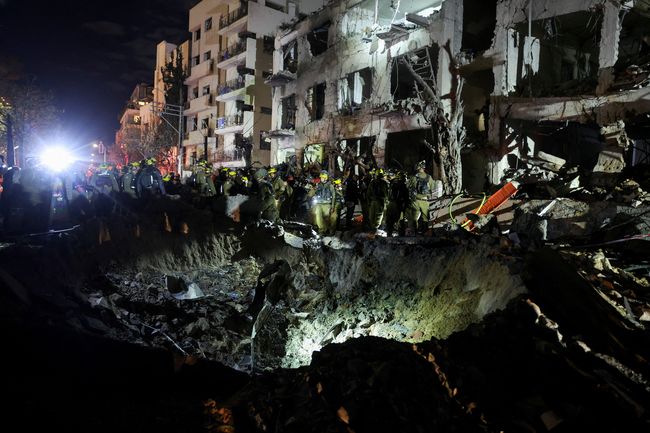
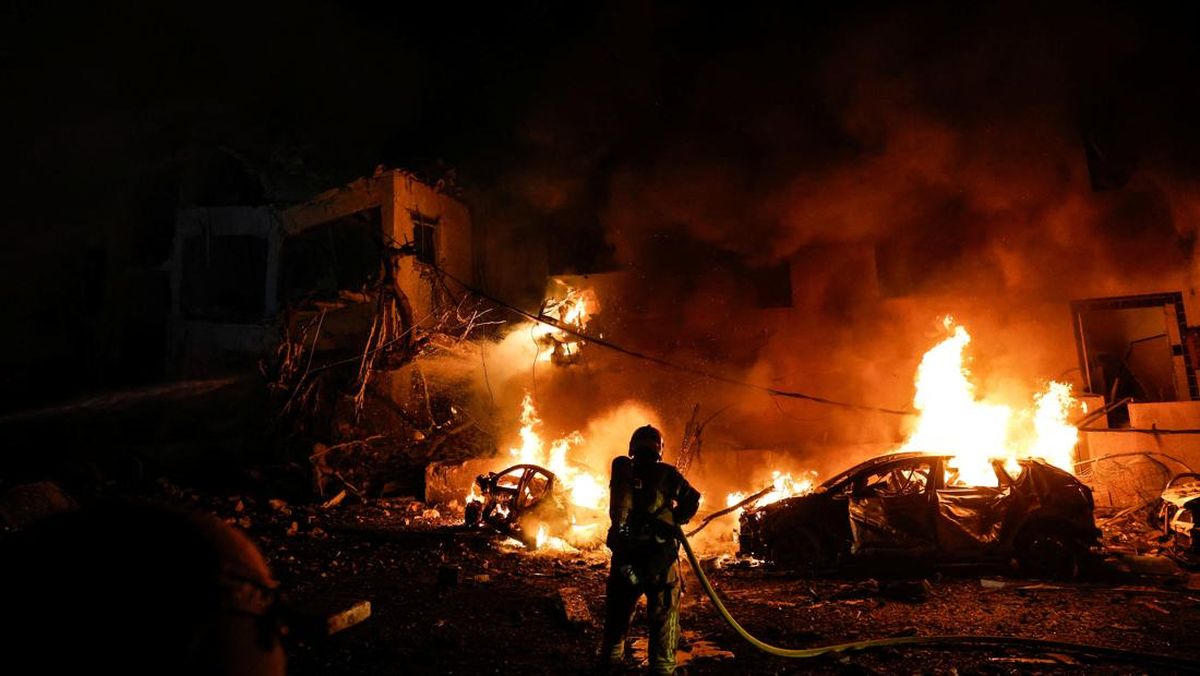
Missile strikes, air raids, and military operations have affected multiple countries, forcing civilians to seek shelter while infrastructure and supply networks face growing disruption.
Humanitarian groups warn that prolonged conflict could lead to major displacement and deepen existing crises in already fragile parts of the region.
Despite international pressure, however, neither side appears ready to back down.
Israeli officials insist that military operations will continue until Iran’s strategic capabilities are weakened.
Iranian leaders, in turn, say they will respond forcefully to any attack on their territory or allies.
This cycle of retaliation is creating a dangerous spiral.
Each missile launch, airstrike, or military deployment increases the risk that another country could become directly involved in the fighting.
Experts warn that even a single miscalculation could trigger a chain reaction that spreads the conflict across multiple fronts.
For the international community, the stakes could not be higher.
What is unfolding is no longer simply a regional confrontation between Iran and Israel.
It is becoming a test of global diplomacy, alliances, and the limits of military power in an increasingly unpredictable world.
As the war intensifies and the world debates how to respond, one reality is becoming clear: the Middle East crisis is no longer just about two nations in conflict—it is about the future balance of power across the entire international system.


