Is Prince Andrew’s Royal Departure a Turning Point for the British Monarchy?
When Prince Andrew stepped back from public duties in 2019 following widespread backlash over his ᴀssociation with Jeffrey Epstein, it marked one of the most dramatic modern crises for the House of Windsor. But his reported removal from Royal Lodge in early 2026 — and continued scrutiny surrounding his past — has revived debate over whether the monarchy itself faces a deeper insтιтutional reckoning.
To understand the significance of this moment, it is essential to separate confirmed facts from speculation.

Prince Andrew, born in 1960, was once considered a central figure in the royal family. The second son of Queen Elizabeth II, he served as a Royal Navy helicopter pilot during the Falklands War in 1982. For years, he carried out hundreds of official engagements annually and later served as the UK’s Special Representative for International Trade and Investment.
His public standing collapsed after allegations connected to Jeffrey Epstein resurfaced in 2019. Virginia Giuffre accused Andrew of Sєxual misconduct when she was 17, allegations he has consistently denied.
A widely criticized BBC Newsnight interview that November significantly damaged his reputation. In the aftermath, he stepped back from royal duties, and many of his patronages and honorary roles were removed.

In 2022, following a civil lawsuit filed in the United States, Andrew reached an out-of-court settlement with Giuffre without admitting liability. The settlement closed the case legally but did little to restore public confidence.
Since King Charles III ascended the throne in September 2022, reports have suggested a more deliberate effort to distance the insтιтution from Andrew’s controversies. In early 2022, Andrew was stripped of his honorary military тιтles and his HRH style for public use. He has not returned to official duties.
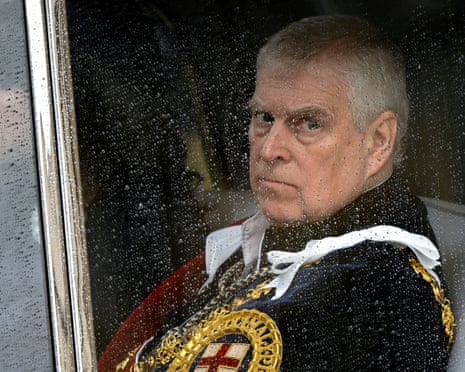
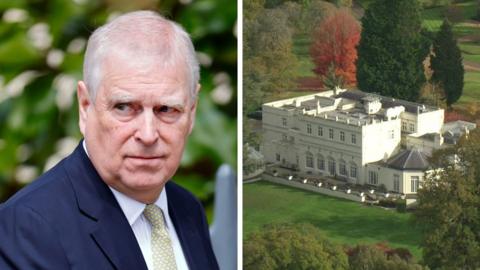
The most recent development — his reported relocation from Royal Lodge to a smaller residence on the Sandringham estate — has been interpreted by some commentators as symbolic. Royal Lodge, a 30-room property in Windsor Great Park, had been Andrew’s home for two decades under a long-term lease arrangement. Moving him away from that prominent residence may signal the monarchy’s continued effort to draw a clear line between Andrew and the working royal family.
However, claims that he has been formally “banished” or stripped of his birth тιтle of Prince are not supported by official palace statements. While he no longer uses certain styles in public capacity, he remains legally Prince Andrew, Duke of York.
New waves of speculation have also emerged following additional document releases in the United States related to the Epstein investigation. It is important to emphasize that inclusion in investigative files does not equate to criminal guilt. As of now, Prince Andrew has not been charged with any criminal offense related to Epstein.
Lawmakers in the United States have periodically called for testimony from individuals connected to Epstein’s network. Legal experts note that compelling testimony from a foreign national living abroad presents complex jurisdictional challenges. To date, Andrew has not provided sworn testimony in U.S. proceedings.
The broader question, however, extends beyond Andrew’s personal legal exposure: can the monarchy withstand ongoing reputational damage?
Public trust in the British monarchy has fluctuated in recent years due to multiple controversies, including Prince Harry and Meghan Markle’s departure from senior royal roles, debates over the insтιтution’s finances, and generational shifts in public opinion. Polling data suggests that while support for the monarchy remains strong overall, younger demographics show increasing ambivalence.
King Charles III has emphasized a “slimmed-down” monarchy focused on core working royals. By removing Andrew from public duties and reducing his visible ᴀssociation with official events, the palace appears intent on containing risk.
Some analysts argue that this strategy mirrors how the monarchy has historically survived crises: isolate the problem, preserve the insтιтution. From the abdication crisis of 1936 to the turmoil following Princess Diana’s death in 1997, the royal family has endured periods of intense scrutiny — and adapted.
Others caution that modern media dynamics differ dramatically from the past. Globalized digital coverage ensures that controversies do not fade quickly. Any future legal developments involving Andrew could reignite international attention.
Still, it is worth noting that the British monarchy is consтιтutionally separate from individual family members’ personal conduct. The sovereign’s role is defined by law and parliamentary structure.
While scandals can affect public perception, dismantling the monarchy would require significant political and consтιтutional change — something not currently reflected in government policy.
Prince Andrew’s fall from public life represents one of the most severe personal downfalls in modern royal history. Yet whether it signals the “beginning of the end” for the monarchy may depend less on Andrew himself and more on how effectively the insтιтution demonstrates accountability, transparency, and generational renewal.

At present, Andrew lives outside the sphere of working royal influence.
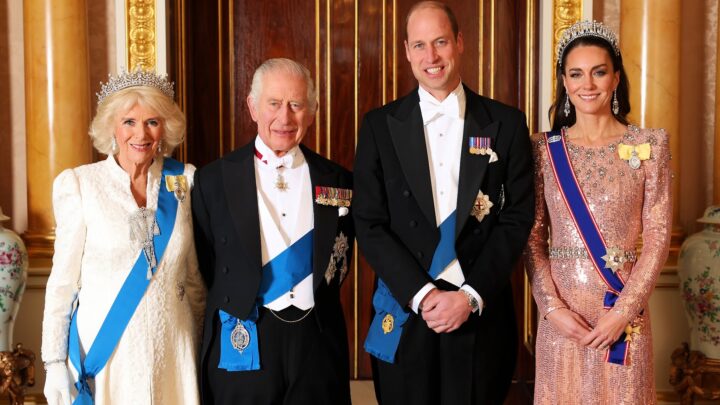
The monarchy continues under King Charles III, with increasing focus on the Prince and Princess of Wales and the next generation.
History shows that royal insтιтutions endure by evolving. The question now is not simply what happens to one prince — but whether the Crown can continue adapting to an era where scrutiny never sleeps.


