In the weeks following President John F. Kennedy’s ᴀssᴀssination, Jacqueline Kennedy stood before the American people and thanked them for their condolences. Her voice was steady, her composure almost superhuman. Yet behind that poise, she was already engaged in something far more deliberate than mourning. She was constructing memory. She was shaping history.
The Kennedy family understood that tragedy alone does not create legacy. Legacy must be curated. Within months of the ᴀssᴀssination, plans were underway for a presidential library in Boston—a monument not merely to a presidency but to an era. At the same time, a quieter project began: the recording of private recollections. These conversations, including Jackie’s own testimony, were sealed at her request, not to be released until 50 years after her death.

She was grieving. But she was also managing the myth.
Arthur Schlesinger Jr., historian and trusted adviser to JFK, became the custodian of her words. Beginning in March 1964, he visited her new home in Georgetown on seven separate occasions. Outside, reporters lingered. The public watched her every movement. Inside, the tape recorder captured something more complex than sorrow.
Jackie was careful—but she was not silent.

She immediately began reshaping the Kennedy origin story. Contrary to the long-circulated family narrative, she rejected the idea that John F. Kennedy became president only because his older brother Joe Jr. had died in World War II. Joe had been groomed, yes—but she insisted Jack possessed the intellect, temperament, and political instinct that destiny required. He was not a subsтιтute heir. He was the rightful one.
In those recordings, she also reframed her own role.
For years, she had played the smiling, elegant First Lady—the cultural ambᴀssador who restored the White House and hosted foreign dignitaries in French. But she bristled at the label of “trophy wife.” She spoke of translating French texts about history’s great leaders, of shaping social gatherings that subtly reinforced political alliances, of long conversations about strategy and policy.

“Between us we talked politics the whole time,” she told Schlesinger.
She had been present—deeply present—through the highs and humiliations. When Jack’s 1956 bid for the vice-presidential nomination failed, she stood beside him as he recovered from what many saw as a crushing defeat. When he ran for president in 1960, she campaigned tirelessly despite pregnancy and illness, shaking hands, smiling endlessly, absorbing scrutiny without complaint.
The victory over Richard Nixon was narrow. But in Jackie’s telling, it was earned—not inherited.

She also allowed cracks in the myth to appear—just enough to humanize the legend. She recalled the loss of their infant daughter in 1956 and Jack’s distant initial reaction. She spoke of loneliness during campaigns. She admitted to smoking and drinking at night after his death. She described her daughter Caroline confiding to teachers about the sadness at home, and little John Jr. tearing a newspaper page showing the ᴀssᴀssination to protect his mother from pain.
These were not polished public statements. They were intimate, sometimes raw recollections.
And yet, even in vulnerability, Jackie remained strategic.
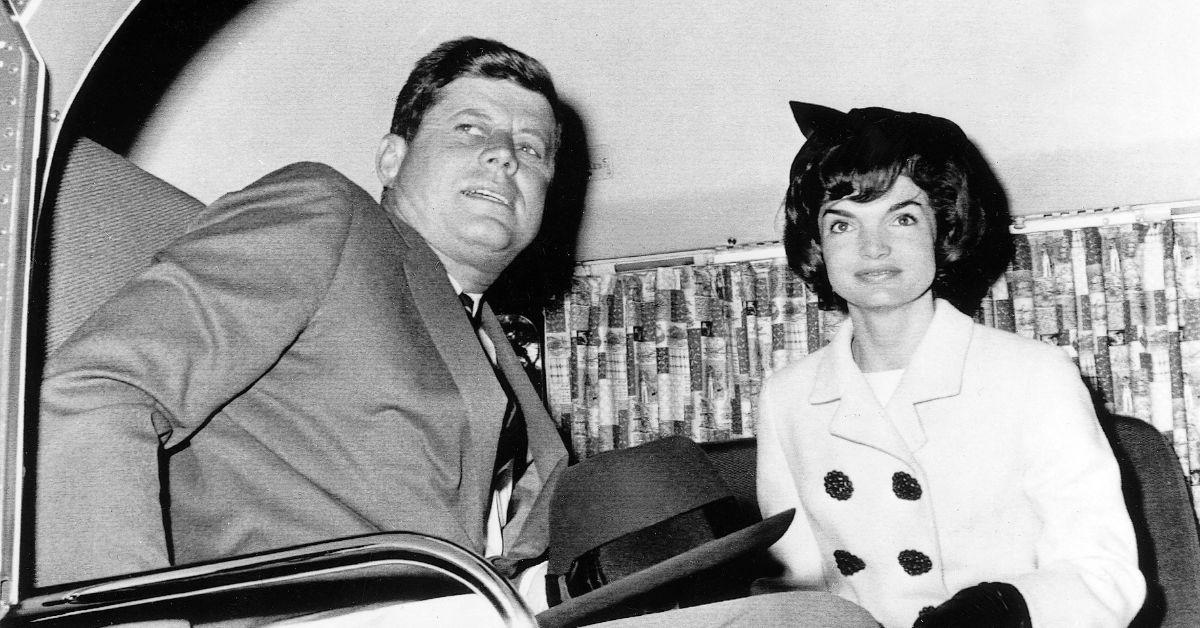
She spoke glowingly of the days between the 1960 election and the January 1961 inauguration. Those weeks, she said, were among the happiest of their lives. The birth of John Jr. brought immense joy. She described Jack rehearsing lines of his inaugural address in Florida, reciting phrases that would become immortal. Though speechwriter Ted Sorensen’s contributions were widely known, she subtly reinforced the image of her husband as the primary author of his own destiny.
The inauguration itself felt like Christmas Eve, she said—two young people stepping into history.
Yet she did not romanticize everything. She left the inaugural celebration early, aware of the men surrounding her husband—Frank Sinatra, Peter Lawford—men whose reputations were less than pristine. She knew the party would stretch long into the night. When Jack joined her later, she was still awake. They slept side by side.

In those moments, she anchored the presidency not in politics, but in intimacy.
The tapes reveal something essential: Jackie Kennedy understood the power of narrative. The White House restoration project had not merely been about furniture; it had been about continuity with America’s past. Now, in widowhood, she extended that instinct to memory itself.
She famously compared the Kennedy years to “Camelot,” invoking the Broadway musical her husband loved. It was not accidental. Camelot suggested youth, nobility, tragedy, and an ideal cut short. It implied that greatness had existed—even if only briefly.
:max_bytes(150000):strip_icc():focal(683x354:685x356)/jfk-jackie-1963-112525-ee396a745f4e439098403a36f1ba3b13.jpg)
Historians have debated how much of Camelot was reality and how much was Jackie’s creation. The answer may be both.
The presidency lasted only two years and nine months. It included triumphs and missteps—the Cuban Missile Crisis, civil rights tensions, Cold War brinkmanship. But in the public imagination, those complexities softened into a singular image: youth and promise shattered by violence.
Jackie’s interviews ensured that image endured.
She did not want chaos to define the story. She wanted purpose. She did not want scandal to overshadow achievement. She wanted memory curated with care.

By sealing her tapes for decades, she controlled timing as well as content. She knew future historians would listen. She knew context would evolve. She wanted her voice preserved—not distorted by immediate political agendas.
What emerges from those recordings is not merely a grieving widow. It is a woman fiercely protective of her husband’s place in history—and her own.
She was not naïve about politics. She had seen ambition, rivalry, and betrayal. She had watched the tension between Jack and Lyndon Johnson. She had observed the calculations behind every alliance.
But in her telling, the presidency was defined not by power struggles, but by aspiration.
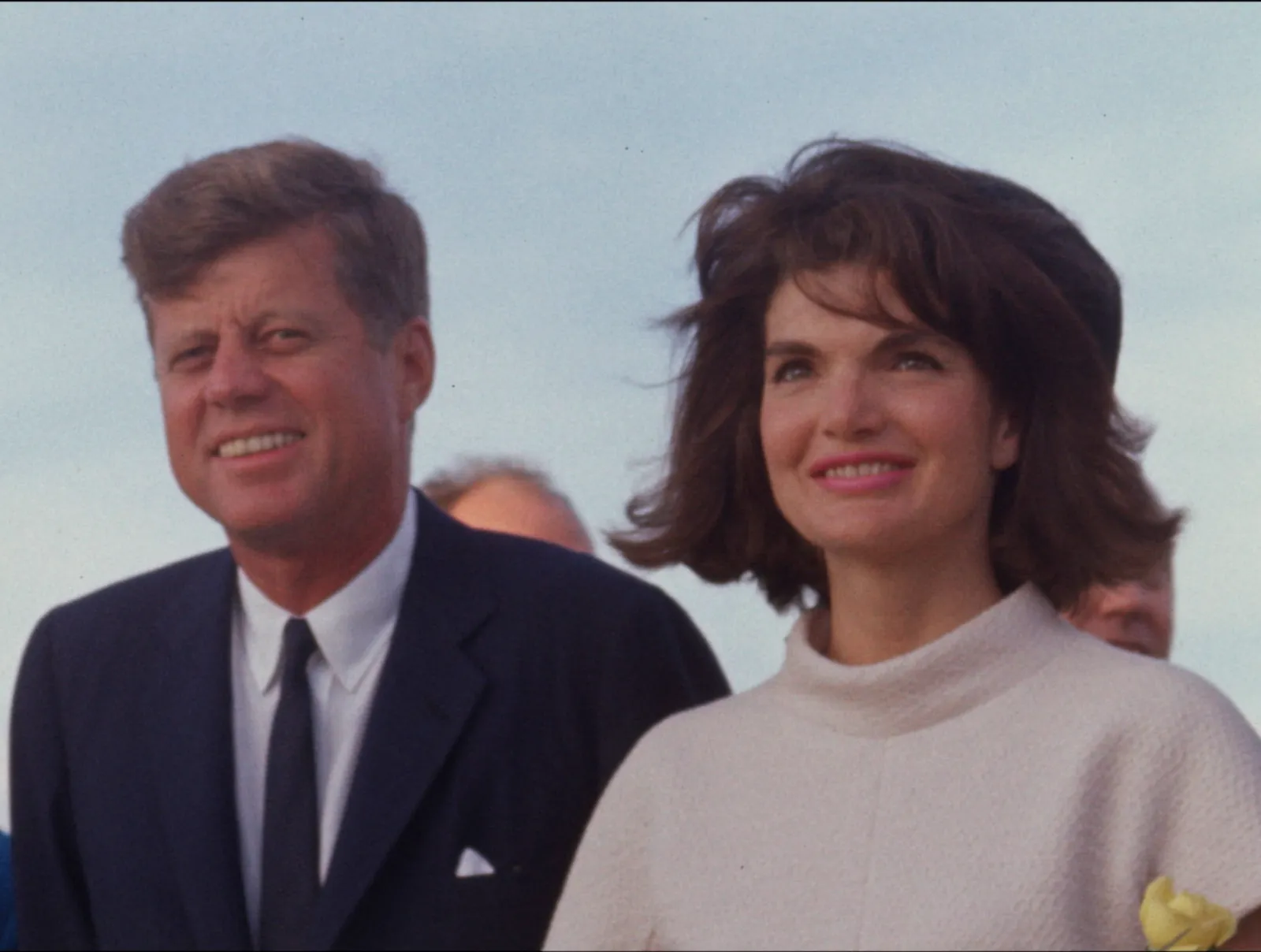
“The years of the presidency,” she said, “made up my best memories.”
Perhaps that was sentiment. Perhaps it was selective memory. Or perhaps it was an act of devotion.
What cannot be denied is this: Jacqueline Kennedy did not allow history to write itself. She helped author it.
In doing so, she ensured that John F. Kennedy would be remembered not solely for how he died—but for how she wanted him to live in America’s imagination.


