The conversation drifted in without ceremony, beginning with jokes about football, weather, and the rhythms of familiar friendship. Yet beneath the laughter, there was an unmistakable gravity. Vince Palamara, a researcher who has appeared on the show more times than almost anyone else, was not invited for nostalgia. He was there because his work occupies a narrow but explosive corner of JFK ᴀssᴀssination research—one most people overlook until it is too late to ignore.
What became immediately clear was that the JFK ᴀssᴀssination is not a single mystery but an ecosystem of smaller ones. Ballistics experts chase trajectories. Medical researchers dissect autopsy inconsistencies. Document analysts hunt missing files. Palamara’s specialty, however, is the Secret Service—the people closest to Kennedy before, during, and after the sH๏τs in Dallas. That focus, refined over decades, has yielded interviews with nearly the entire Kennedy detail, most conducted before the internet, before reputations were polished, and before memories were “mᴀssaged.”
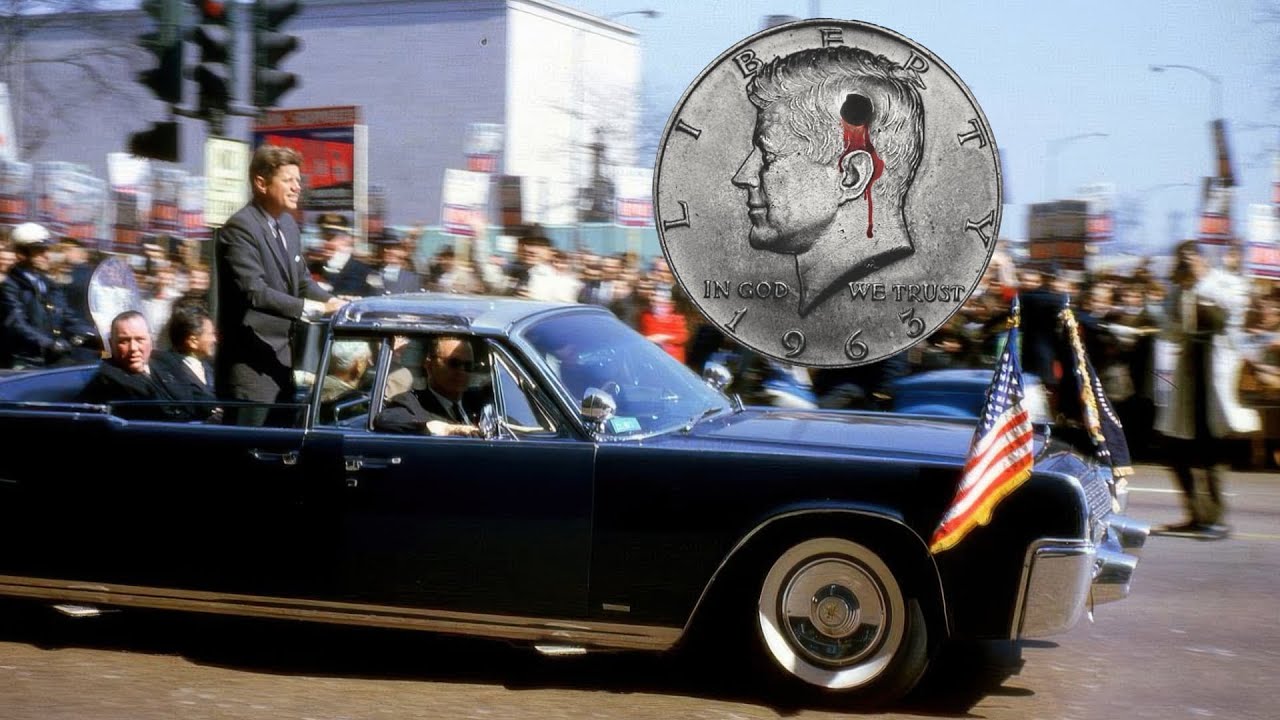
Palamara described how his work began almost by accident. Encouraged by veteran researchers in the early 1990s, he started cold-calling Secret Service agents, widows, and family members. Many spoke freely. Some contradicted official history outright. Others revealed things that, when placed beside film footage and documents, exposed uncomfortable gaps in the lone-gunman narrative. Today, many of those voices are gone—but their recorded words remain preserved in archives, libraries, and Palamara’s own unmonetized YouTube channel.
The discussion moved quickly into controversy surrounding Paul Landis, a Secret Service agent whose recent book claimed he discovered what later became known as the “magic bullet.” Palamara did not mince words. While acknowledging Landis offered valuable information, he criticized what he called a profound “sin of omission.” Landis had written Secret Service reports days after the ᴀssᴀssination stating that sH๏τs came from the front—yet failed to mention this in his book. To Palamara, that silence undermined credibility more than any single factual error.
From there, the conversation widened to patterns of manipulation within ᴀssᴀssination research itself. Sensational claims sell books, but they also confuse the public. The bullet story, Palamara argued, meant little to average readers without context, yet it dominated media appearances. Meanwhile, genuinely damning material—early reports, corroborating witnesses, internal contradictions—was buried or ignored.
A turning point came when the discussion shifted away from Cuba, the CIA, and the Mafia—well-worn paths in JFK research—and toward a far less discussed group: Puerto Rican nationalists. Palamara laid out a chilling historical pattern. Puerto Rican extremists had attempted to ᴀssᴀssinate President Truman, sH๏τ members of Congress, plotted against Eisenhower, and were identified by Secret Service reports as threats during Kennedy’s trips to Chicago in March 1963 and again in November, just weeks before Dallas. Helicopters were deployed. Rooftops were searched. The threats were real—and documented.
Yet after Dallas, those leads evaporated. Witnesses who described Puerto Rican suspects were reinterpreted, reframed, or dismissed entirely. Over time, Puerto Ricans were quietly replaced in the narrative by Cubans, a shift Palamara argued was politically convenient. The evidence never disappeared; it was simply reclassified as irrelevant.
Central to this was a shadowy figure few had heard of: Lloyd John Wilson. According to Palamara, Wilson triggered an extraordinary response from federal authorities. Former White House detail agents were reᴀssigned across the country to track him. Chicago newspapers reported on his case. He turned himself in. Voluminous documentation followed. And then—nothing. Officially, he was branded unstable, and the trail went cold. To Palamara, the sheer volume of paperwork told a different story.
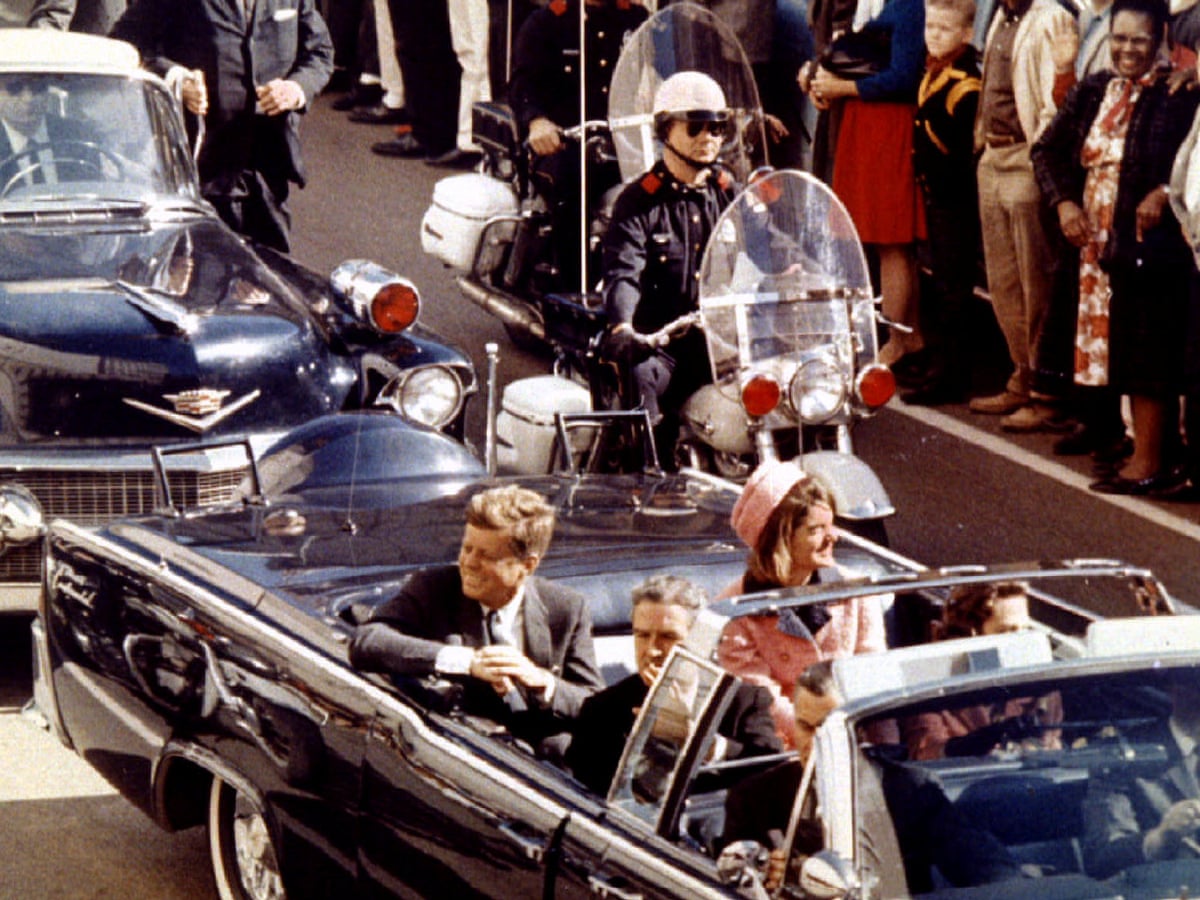
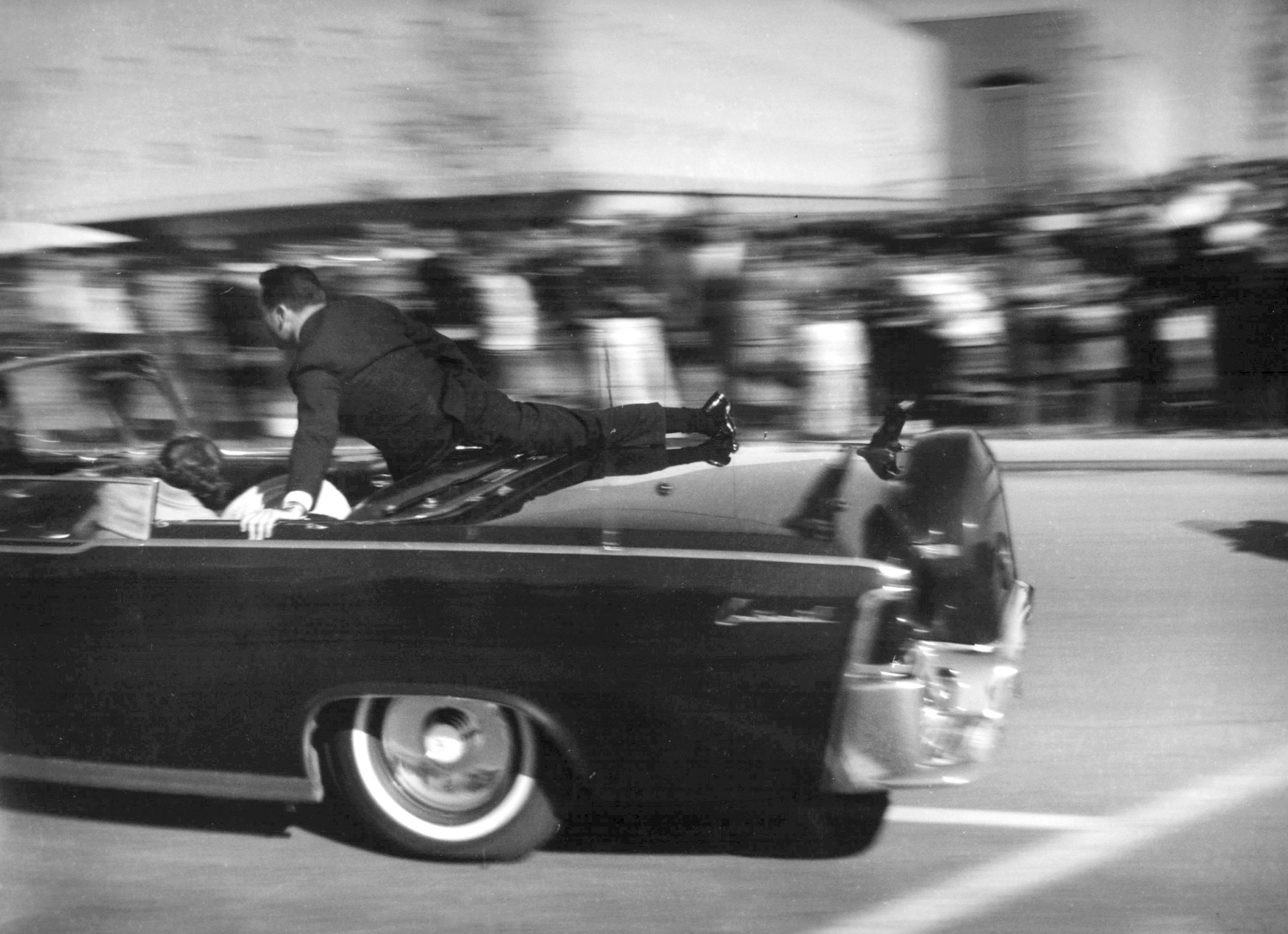
The conversation repeatedly returned to the behavior of the Secret Service on November 22, 1963. Why were agents pulled off the back of the limousine at Love Field? Why did the car slow instead of accelerate? Why were rooftops unguarded in Dealey Plaza when they had been secured in Tampa just days earlier? Film footage, witness testimony, and agent statements suggested these were not standard procedures—but deviations.
Three names surfaced again and again: Bill Greer, the driver; Floyd Boring, the trip planner; and Emory Roberts, the shift leader. None, Palamara emphasized, proved a coordinated Secret Service conspiracy. But each, in his view, represented a failure—or refusal—at critical moments. Roberts, in particular, stood out. He waved agents away from Kennedy’s car before departure, ordered them not to move after the first sH๏τ, and later abandoned Kennedy to stay with Lyndon Johnson. Afterward, he was rewarded with an unprecedented role as LBJ’s appointment secretary—while still an active agent.
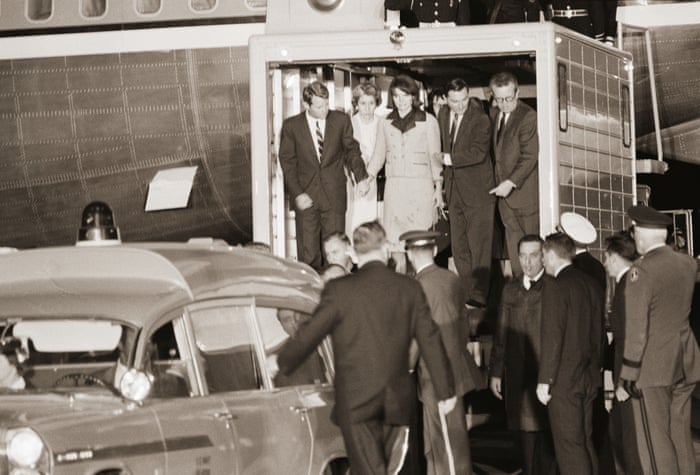
Equally disturbing was the destruction and control of evidence. Palamara detailed how Secret Service officials confiscated medical footage, controlled witness access, and even destroyed physical remains. He described how key interviews conducted by historian William Manchester—especially those involving Jackie Kennedy and certain agents—were sealed or went missing entirely. One interview, believed to be with Gerald Blaine, vanished after its existence was publicly acknowledged.
The discussion closed with a sobering reminder: JFK’s ᴀssᴀssination did not emerge from a vacuum. There were prior plots, bomb threats, sniper scares, and credible warnings throughout 1962 and 1963. The Secret Service knew of these threats. Agents tracked them. Some tried to warn others. And yet, on that day in Dallas, nearly every protective norm collapsed at once.
What remains is not a tidy conclusion, but an accumulation of facts that refuse to disappear. The truth, as Palamara suggested, may not lie in any single theory—but in the spaces between official explanations, where silence, omission, and contradiction quietly converge.


