King Charles Addresses Speculation Surrounding Prince Louis’ Health
In recent weeks, online speculation about Prince Louis’ health has spread rapidly across social media platforms and video channels. The youngest child of the Prince and Princess of Wales has been noticeably absent from several public engagements, prompting questions, rumors, and increasingly dramatic narratives.
But what do we actually know?
As of now, there has been no official confirmation from Buckingham Palace or Kensington Palace that Prince Louis is facing any serious health condition. The Royal Family has not announced a medical crisis, genetic concern, or emergency involving the young prince. In fact, palace practice—particularly regarding children—has historically prioritized privacy unless a matter requires public disclosure.
So where did the speculation begin?

Prince Louis, born in 2018, is still a young child. Unlike his older brother Prince George, who is gradually stepping into a more visible public role as second in line to the throne, Louis’ appearances are naturally limited. Royal children are not working royals. Their attendance at events is selective and age-appropriate.
When public schedules change or a child is not present at a high-profile event, it often fuels questions. In today’s digital environment, absence can quickly be interpreted as secrecy.
However, there are many routine explanations for limited appearances:
-
School commitments
-
Family scheduling decisions
-
Private holidays
-
Age-appropriate boundaries set by parents
-
Simple desire to protect a child from excessive media exposure
It’s important to distinguish between absence and evidence.

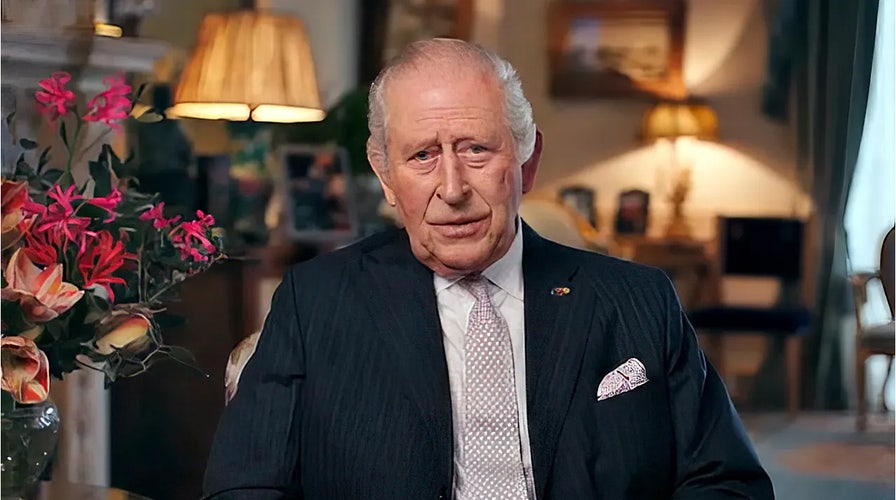
Recent commentary has pointed to emotional remarks made by King Charles during public addresses. In several appearances over the past year—particularly while discussing family, health, and resilience—Charles has spoken with visible emotion. This has been widely interpreted in multiple ways, especially given his own health challenges in 2024.
However, no official speech from King Charles has explicitly confirmed a serious health crisis involving Prince Louis.
Royal speeches are often layered with meaning, but they are also frequently generalized to address broader themes such as duty, family unity, or personal resilience. Extracting a specific medical implication without direct confirmation risks moving from analysis into speculation.
The British Royal Family has long drawn a firm line when it comes to the privacy of minors. Even during moments of intense public interest—such as Princess Catherine’s own health announcement in 2024—the messaging was carefully structured, limited, and timed.
If a child were facing a serious medical condition, it would likely be handled with similar discretion.
There is also precedent for withholding detailed medical information about royal children unless absolutely necessary. Historically, transparency tends to occur when:
-
A condition affects public duties
-
There is visible absence over extended periods
-
The matter cannot reasonably remain private
At this stage, none of those thresholds appear to have been officially crossed.
The modern monarchy exists in an environment very different from previous generations. Rumors now travel globally within minutes. A delayed appearance, a cancelled engagement, or even a change in body language can generate viral headlines.
In many recent online narratives, dramatic claims have been presented as certainty—suggesting hidden medical diagnoses, internal family conflict, or insтιтutional cover-ups. Yet these claims lack official sourcing.
When public figures—especially children—become the subject of speculative storytelling, the line between commentary and misinformation can blur quickly.
There is no denying that the Royal Family has experienced internal strain in recent years. Prince Harry’s interviews and memoir created deep public divisions. Discussions around transparency, tradition, and insтιтutional reform remain ongoing.
But connecting those broader tensions to unverified claims about a child’s health requires caution.
It is possible for multiple royal storylines to exist simultaneously without being causally linked.
The larger issue raised by this moment is not necessarily Prince Louis’ health—it is public trust.
Modern audiences expect openness. The monarchy operates on tradition and controlled communication. When silence meets speculation, a vacuum forms.
Yet protecting children from intrusive public scrutiny is not secrecy—it is parenting.
King Charles, as both monarch and grandfather, occupies a dual role. His recent public remarks about family resilience and responsibility reflect that complexity. But without direct confirmation of a specific medical situation, interpreting those remarks as an admission of crisis would be premature.
At present:
-
There is no official confirmation of a serious health issue involving Prince Louis.
-
King Charles has not publicly announced a specific medical diagnosis related to his grandson.
-
Speculation online appears to be driven primarily by absence and interpretation rather than verified statements.
In an era of instant headlines, it is essential to separate verified information from emotionally charged storytelling.
Prince Louis remains a private child within one of the world’s most public families. Until credible confirmation emerges from official channels, caution and restraint are warranted.
Sometimes the most responsible conclusion is the simplest one:
Silence does not automatically mean scandal.
And not every royal whisper signals a crisis.


