Lake Mead’s water levels have been climbing at a pace almost no one predicted, reversing years of decline and dry warnings.
But what’s behind this surprising surge—and why are scientists uneasy about it? Could a natural recovery mask a deeper, hidden danger lurking beneath the surface?
This story is more than just water numbers rising; it challenges everything we thought we knew about this vital reservoir’s future.
As Lake Mead fills again, an eerie and unexpected threat has appeared, raising urgent questions about the delicate balance between nature and human impact.

A Rapid Rise: Lake Mead’s Unpredictable Surge
Lake Mead, long known for its dwindling water levels, has experienced a stunning reversal.
After years of decline driven by severe drought and increasing demand, the reservoir’s water levels have surged unexpectedly.
In 2023, measurements showed the lake rising by over twenty feet, a dramatic shift far beyond the pessimistic projections many experts had made.
This sudden increase has caught the attention of scientists and resource managers alike, prompting urgent questions about what’s driving this sudden turnaround.
This rise isn’t just a statistical anomaly—it’s a tangible change visible across Lake Mead’s vast surface that covers 247 square miles.
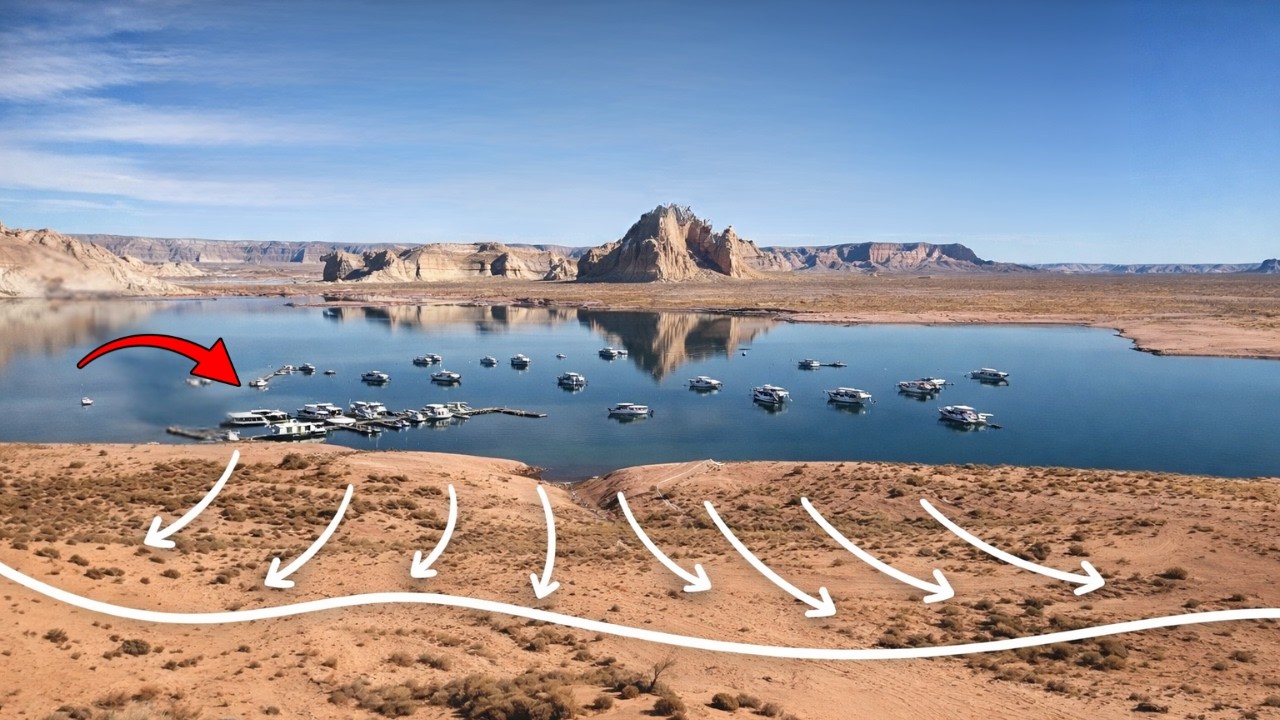
The water now reaches higher into previously parched shorelines, reopening areas that had been closed off for years.
Boating routes once unnavigable due to low levels are beginning to reopen, signaling a renewed vitality in this critical water source.
However, with this rapid rise has come unexpected complications, sparking concerns over the stability of the lake’s delicate balance.
An Unstable Recovery: What’s Really Happening?
Despite the encouraging numbers, Lake Mead remains significantly below capacity, sitting roughly 160 feet from being full.
This gap underscores how much recovery is still needed and how fragile this resurgence is.
The seemingly good news masks a more complex scenario beneath the surface—one involving environmental shifts and unseen risks that scientists are still unraveling.
What appears as a hopeful recovery may be hiding deeper, less obvious challenges.
Adding to this complexity is the fact that Lake Mead is part of a broader system, receiving inflows from Lake Powell and the Colorado River.
Changes upstream ripple through the entire basin, affecting the volume of water that finally pools in the reservoir.
Lake Powell, for instance, has also seen a significant rise, with its own water levels increasing by more than fifty feet in the same period.
Together, these shifts represent a broader hydrological event, not just isolated to Lake Mead alone.
A Sudden Reversal: The Unknown Cause
What makes this increase extraordinary is how unexpected it was.
Early predictions for 2023 from the United States Bureau of Reclamation forecasted a drop of about twenty feet in Lake Mead’s levels.
Instead, the data recorded defied these expectations in a way few anticipated.
This highlights the challenge of forecasting water availability in an era of increasing climate variability and complexity in interconnected water systems.
Though this water level rise provides momentary relief to drought-stricken regions, it also raises a cautionary flag.
Scientists are wary about what these rapid changes might mean for the long-term health of the reservoir and the ecosystem it supports.
Lake Mead’s water balance has been delicately maintained for decades, and sudden fluctuations can introduce stress on infrastructure and natural habitats alike.
The consequences could ripple far beyond the lake’s shorelines.
Challenges Ahead: Managing Lake Mead’s Resources
The rising water levels trigger operational challenges for water managers who must adapt to this new reality.
Structures like pumps and docks, designed during low water phases, may no longer meet current conditions.
This situation demands rapid adjustments and strategic planning to ensure that the lake’s resources are managed effectively and sustainably.
At the same time, these changes complicate the efforts to maintain safety and accessibility along the reservoir.
Past Struggles: The Water Crisis Before the Rise
Lake Mead’s past struggles set the stage to understand how deep the crisis went before this rise—and why recent years have been so alarming.
For much of the last decade, Lake Mead was a stark symbol of drought and water scarcity in the American Southwest.
From 2016 to 2022, the reservoir hit historic lows, with its water levels dropping to just over twenty-six percent of capacity by mid-2022.
This drastic decline was the result of prolonged drought conditions, increasing water demands from a growing population, and agricultural needs across multiple states.
At its lowest, the lake reached nearly 9,300 million acre-feet, a level that had not been seen before.
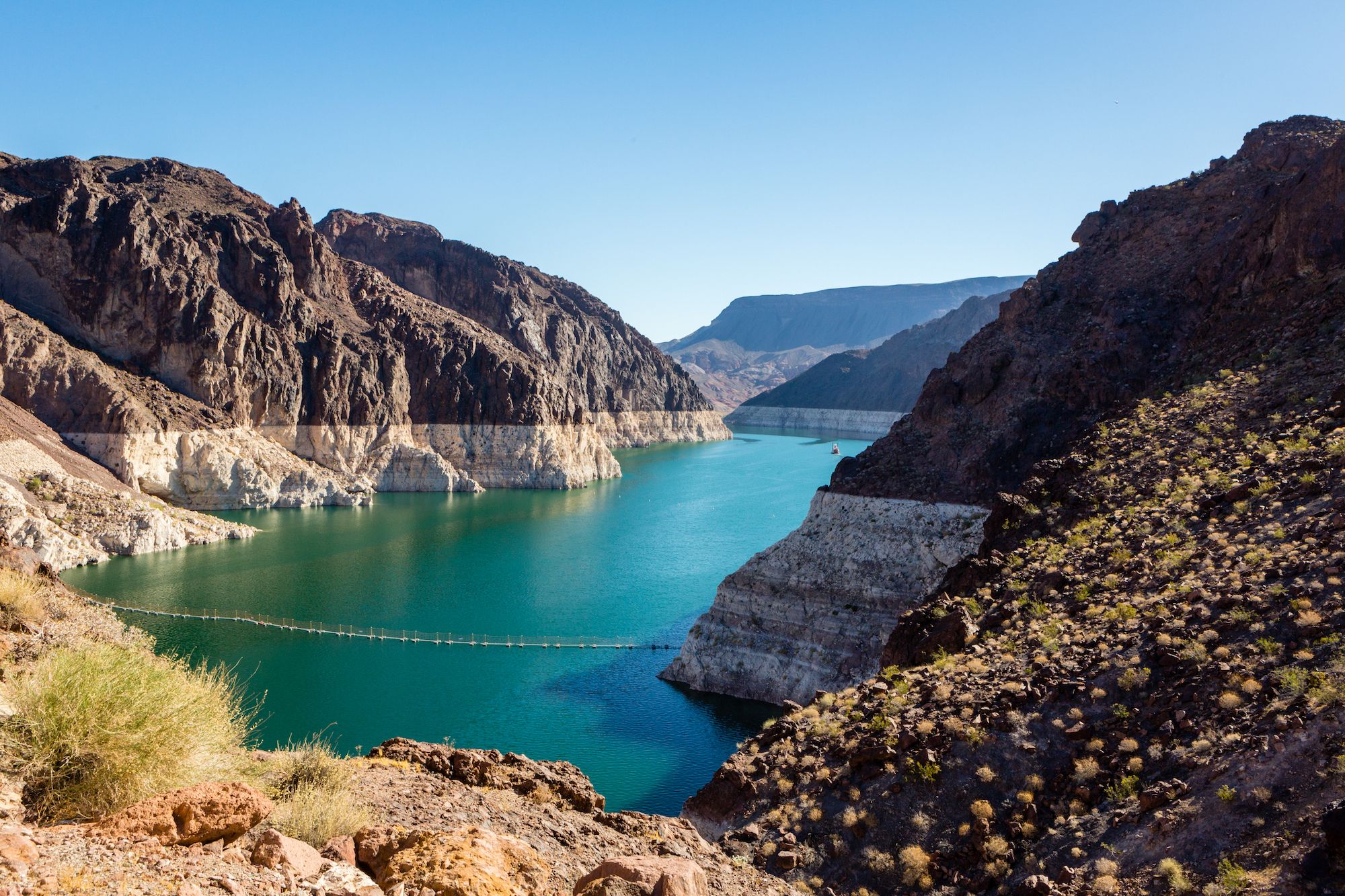
These shrinking water levels prompted real consequences, including restrictions on water use and the shuttering of boat pᴀssageways that once bustled with activity.
The retreating shoreline exposed dry lakebed and stressed fish and wildlife, reminding observers of nature’s fragility amid human pressures.
Water managers were forced into reactive strategies, such as activating low-level pumps designed to access water still deep underwater but beyond traditional reach.
Drought, Climate Change, and Water Scarcity
This perilous tendency was mainly led by unceasing drought, together with climate change, making impacts very harsh and dry spells longer and H๏τter.
The Colorado River Basin, which fills Lake Mead, went through one of the driest 20-year periods ever recorded.
The long-run dry conditions greatly strained and even challenged the old perception of water availability in the area.
The booming population in the region significantly increased water consumption, putting more pressure on the already limited resource.
The Implications: A Fragile Recovery
The year July 2016 saw the lowest level in water volume history for Lake Mead, which marked the turning point of the warning provided by the previous pressures.
Government officials realized that if the situation continued, downstream users would have to reduce their water intake, and the affected areas would be the cities, farmland, and the ecosystem.
Water planners and policymakers were left to choose between sharing the little water that was left and keeping decade-long supplies.
The crisis made the disagreement louder, and the need for conservation and new technology became even more urgent.
https://youtu.be/uj3VUyg0hzU
The Struggles and Solutions: Water Conservation Measures
Water scarcity was the mother of new ideas.
Through legal agreements among the western states, they planned water sharing in a way that the cut-off was fair.
Tucson, Arizona, for instance, was one of the cities that participated in the water conservation experiment, creating a precedent for taking community responsibility.
Nevada also considered new laws that would give water authorities the power to control the supply of water for residential purposes, recognizing that water scarcity required radical solutions.
Conclusion: Lake Mead’s Uncertain Future
The old low levels of the lake are now rising, but the road ahead remains uncertain.
While the increase in water levels provides some relief, the continuing challenges of climate variability, population growth, and long-term water scarcity make the future of Lake Mead anything but secure.
As the situation unfolds, the balance between nature and human impact will continue to shape the region’s water resources.


