Cartel Retaliation Erupts After Reports of El Mencho’s Death
Violence spread rapidly across western Mexico following reports that Nemesio Oseguera Cervantes, the alleged leader of the Jalisco New Generation Cartel (CJNG), was killed during a confrontation with Mexican federal forces.
According to statements attributed to Mexico’s security officials, an operation targeting high-level cartel leadership led to an armed clash in Jalisco. In the aftermath, authorities reported coordinated retaliatory attacks across multiple states.
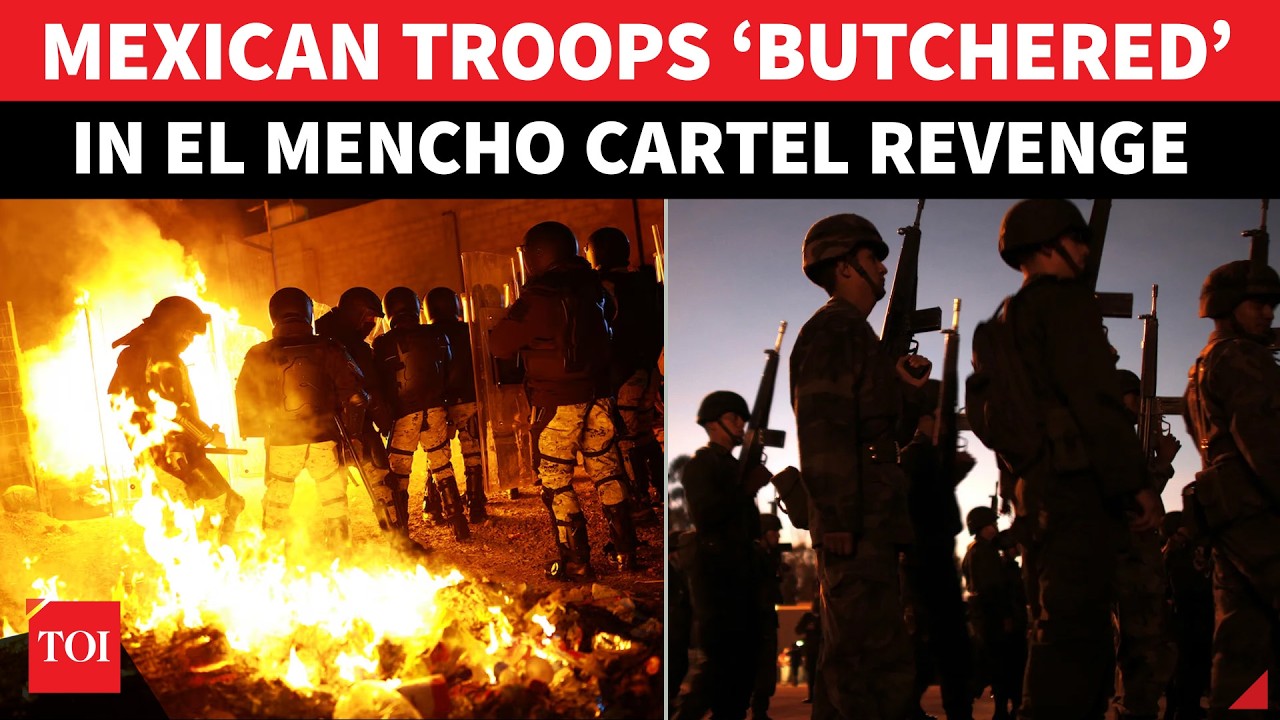
Highways were blocked with burning vehicles. Armed groups reportedly set up road barricades. Businesses temporarily closed in several municipalities. Public transportation routes were suspended in parts of western Mexico. Videos circulating online showed thick columns of black smoke rising above major roadways and intersections.
Mexico’s Security Secretariat confirmed that members of the National Guard were killed in separate attacks following the operation. Additional casualties reportedly included state officials and civilians. Officials described the ᴀssaults as “cowardly aggressions” against authorities.

President Claudia Sheinbaum (as referenced in reports) called for calm, stating that security forces were deployed to clear roadblocks and restore order. Authorities emphasized that federal forces were responsible for the operation and that while intelligence information was shared with the United States, no U.S. personnel directly participated in the mission.
The United States had previously offered a reward of up to $15 million for information leading to El Mencho’s capture, identifying him as one of the world’s most wanted drug traffickers. Under his alleged leadership, the CJNG grew into one of Mexico’s most powerful and violent criminal organizations, with operations tied to fentanyl, methamphetamine, and cocaine trafficking.
If confirmed, his death would represent one of the most significant blows to organized crime in Mexico in recent years.

But history suggests such moments can trigger instability.
Security analysts often warn that the removal of a cartel leader does not automatically dismantle the organization. Instead, it can spark internal power struggles, splinter factions, or intensified violence as rival groups compete to fill the vacuum.
The immediate retaliation appears highly coordinated. Reports indicate that roadblocks and arson incidents occurred in multiple states, including Jalisco, Nayarit, Michoacán, and others. In tourist areas such as Puerto Vallarta, businesses temporarily closed as a precaution. Airlines reportedly suspended some flights, and bus routes were disrupted.

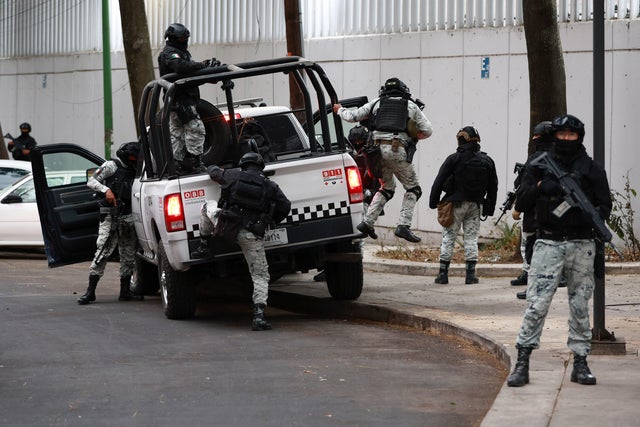
Images from affected areas showed burned buses, torched private vehicles, and heavily armed security patrols restoring control. Residents were urged to remain indoors and avoid non-essential travel while operations continued.
Mexican officials stated that most major roadways were cleared within a day and that order was being restored. However, security forces remain on heightened alert amid concerns of further reprisals.
One key question remains: Who steps in next?

Cartel structures are often decentralized, with regional commanders capable of operating independently. Even if the top leader is removed, established trafficking networks and financial channels may continue functioning. In some cases, fragmentation can make enforcement even more difficult.
Another critical factor is international pressure.
The United States has intensified efforts to curb fentanyl trafficking, a major driver of overdose deaths. Cooperation between U.S. and Mexican authorities increasingly centers on intelligence sharing and joint strategic coordination. The reported operation underscores that collaboration, even as Mexico maintains sovereignty over its security actions.

Yet, removing high-profile figures has historically produced mixed outcomes.
Past operations targeting cartel leaders have sometimes resulted in short-term surges in violence before stabilizing. Communities caught in the middle often bear the brunt of that turbulence.
For residents in affected areas, the concern is immediate and practical: safe roads, open businesses, functioning transportation, and freedom from fear.
For policymakers, the stakes are broader. Will this moment weaken organized crime networks—or simply reshape them?

At the time of reporting, authorities have emphasized that investigations remain ongoing and that security operations continue in several regions.
Official confirmation details may evolve as more verified information becomes available.
One reality is clear: the fall of a powerful cartel leader does not automatically bring peace.
In fact, it often marks the beginning of a new chapter—one filled with uncertainty.
As Mexico navigates the aftermath, the country faces a familiar but urgent challenge: preventing a leadership vacuum from becoming another wave of violence.


