Pam Bondi Under Fire as Epstein Files Controversy Escalates
A recent congressional hearing featuring Attorney General Pam Bondi has reignited fierce debate over the handling of the Epstein files, placing transparency and insтιтutional accountability squarely in the spotlight. Lawmakers from both sides of the aisle voiced frustration — not only over what has been released, but over what remains redacted or allegedly withheld.
At the heart of the controversy is the Epstein Files Transparency Act, legislation requiring the Department of Justice to disclose perpetrators connected to Jeffrey Epstein’s criminal activities while protecting the idenтιтies of survivors. Critics argue the DOJ’s implementation of that mandate has fallen short.
During the hearing, one lawmaker directly challenged Bondi, claiming the department improperly redacted names of powerful individuals while failing to adequately protect survivor information.
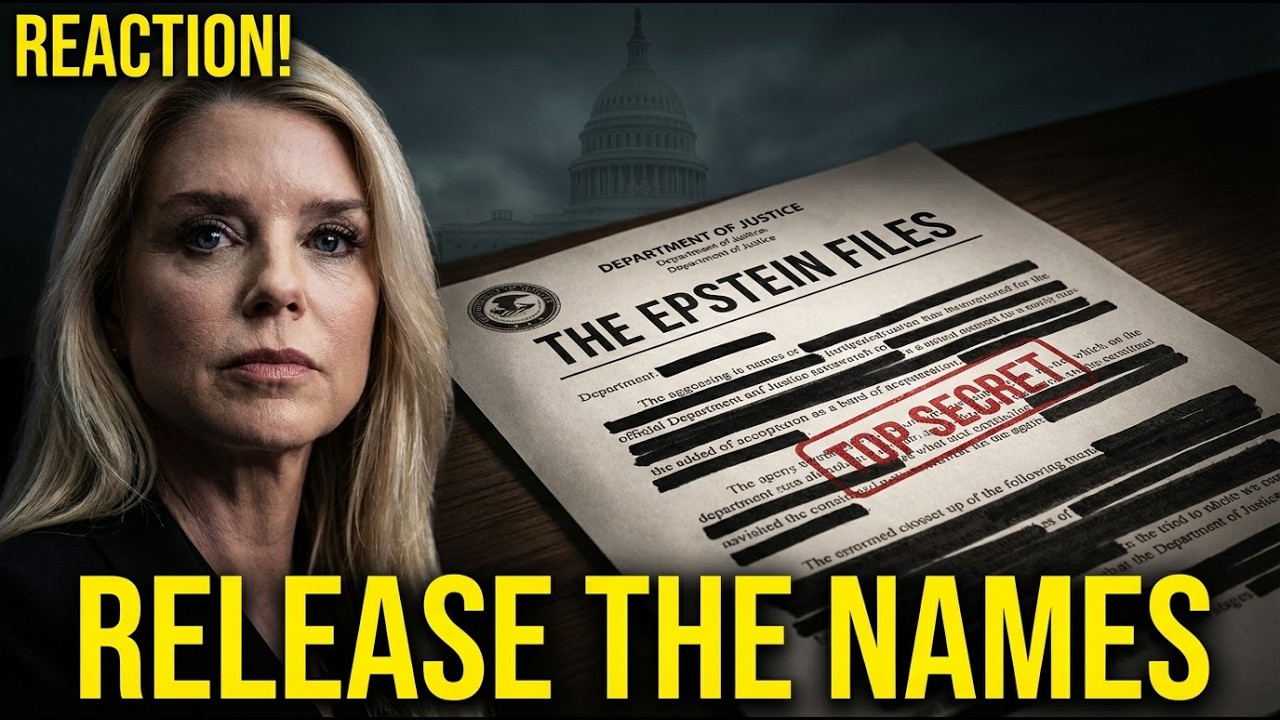
The exchange quickly intensified when Bondi was asked to apologize to survivors present in the room for what was described as an “unacceptable release” of information. The moment turned tense, with interruptions, time disputes, and accusations flying across the chamber.
The most explosive claims centered around document redactions. A member of Congress alleged that an email from victims’ lawyers listing names not to release had itself been disclosed — including survivor idenтιтies — while certain high-profile names were heavily redacted in other documents. Bondi responded that corrections were made within 40 minutes of being identified, rejecting any suggestion of deliberate concealment.
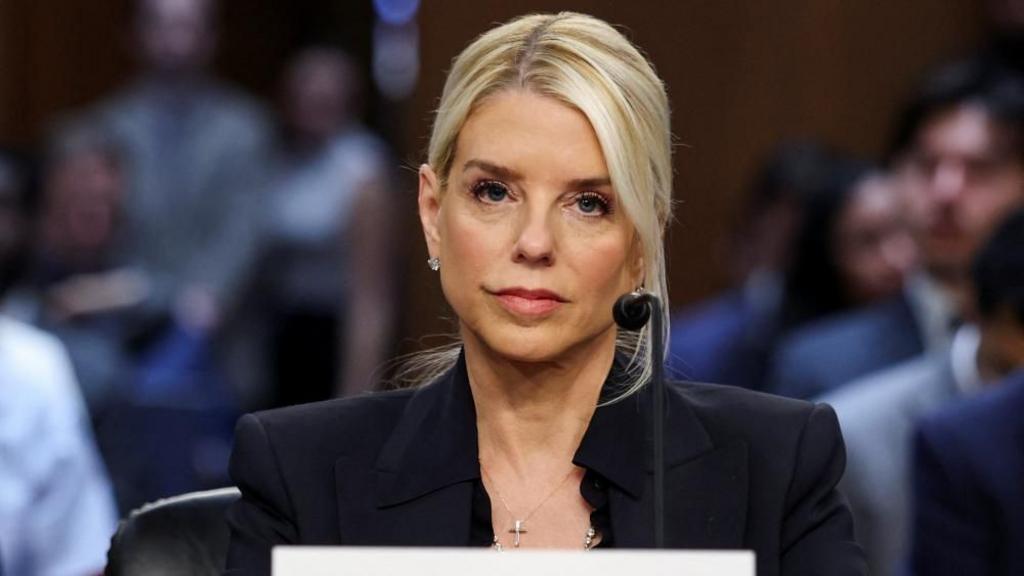
The confrontation escalated further when questions arose about the appearance — and temporary redaction — of the name of billionaire businessman Les Wexner in certain files. One lawmaker argued that his designation as a “co-conspirator” in an FBI document had been obscured. Bondi countered that Wexner’s name appeared thousands of times in the broader file release and insisted there was no attempt to cover up information.
The broader tension in the hearing, however, went beyond any single individual.
Several members argued that the Epstein investigation spans multiple administrations — Republican and Democrat alike — and that the lack of full disclosure reflects systemic insтιтutional failure rather than partisan protection. “This goes over four administrations,” one lawmaker declared, framing the controversy as a decades-long issue rather than a recent development.
Bondi pushed back on the idea of an ongoing cover-up, stating there is “no credible information” currently justifying certain prosecutions related to trafficking allegations beyond what has already been addressed. She also encouraged any victims with new evidence to come forward directly to the FBI.
Still, critics remain unsatisfied.
Central to their frustration is the perception that powerful individuals may be shielded through redactions justified as “privileged” or legally sensitive. Lawmakers pressed Bondi on whether internal DOJ decisions not to prosecute certain individuals were being disclosed as required under the transparency act. According to critics, some internal determinations remain absent from public releases.
The hearing devolved at times into partisan attacks unrelated to Epstein, including accusations about unrelated legislative votes. For many observers, the chaos underscored a larger problem: public trust in government insтιтutions handling high-profile criminal investigations is fragile.

The Epstein case itself continues to cast a long shadow. While Epstein died in federal custody in 2019, questions persist about the extent of his network and whether every individual implicated in wrongdoing has been fully investigated or charged where evidence supports prosecution.
Legal experts caution that redactions in sensitive criminal files are not unusual, particularly when protecting survivor idenтιтies, ongoing investigations, or privileged communications. However, when redactions involve high-profile names, skepticism grows rapidly.
The political consequences of this hearing may not be immediate, but the underlying demand is clear: Americans across ideological lines are calling for full accountability wherever credible evidence exists.
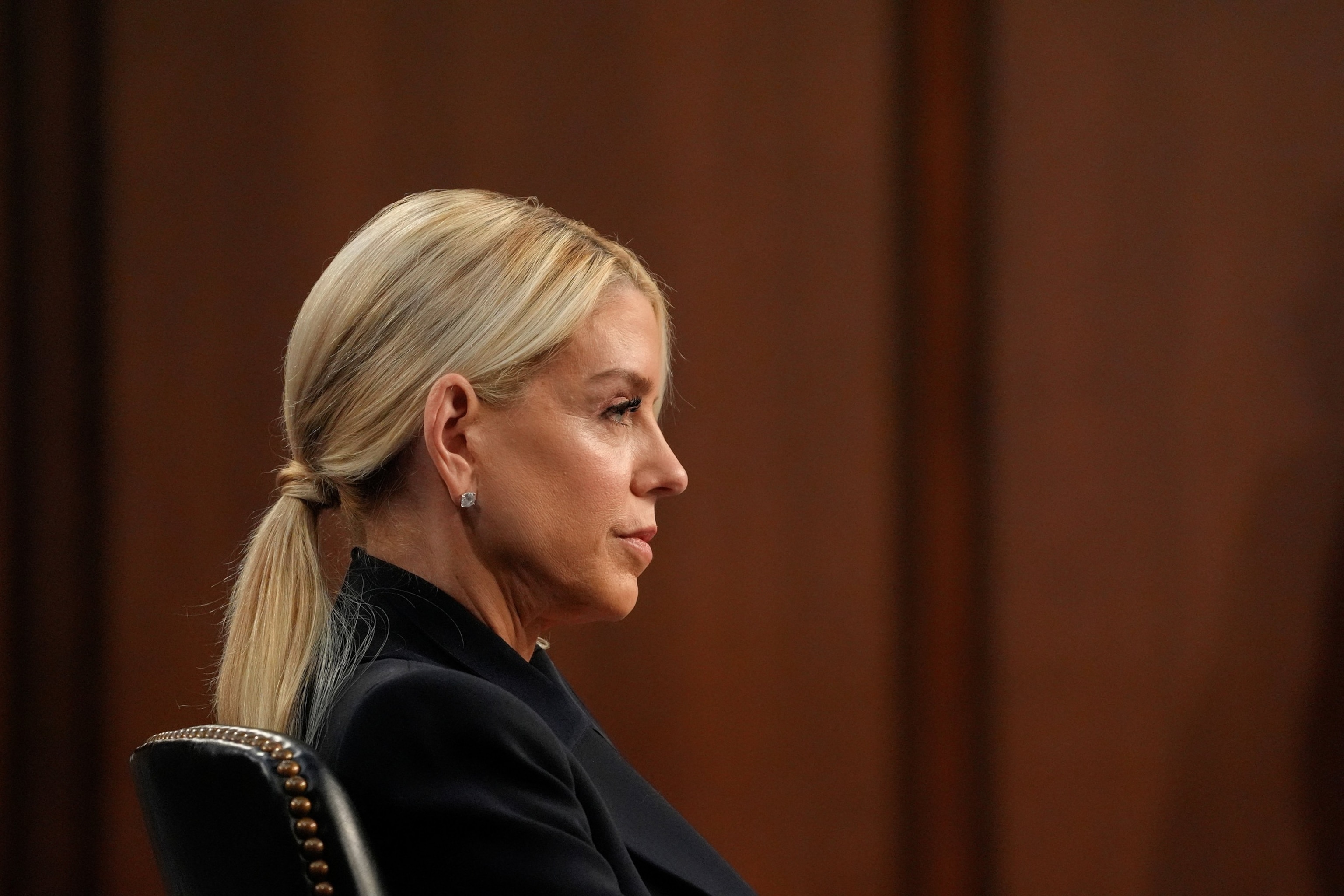
One lawmaker’s statement captured the sentiment reverberating beyond the chamber: “Transparency builds trust. Secrecy destroys it.”
Whether the DOJ will release additional unredacted materials — or whether further legal challenges will force expanded disclosure — remains uncertain. What is certain is that the Epstein files continue to test the credibility of insтιтutions tasked with enforcing the law without fear or favor.
The debate is no longer just about one case. It’s about whether power influences justice.


