A Pastor’s Public Fall and Painful Road to Redemption
When Apostle Bryan Meadows finally said the words out loud—“I had an affair. I was preaching, and I was a hypocrite. Period.”—the weight of them carried far beyond a single confession.
It was an admission that shook not only his Atlanta congregation, Embᴀssy City, but also his wider online following.
For years, Meadows had been viewed as a bold spiritual leader—mentoring couples, counseling marriages, and preaching holiness from the pulpit.
But behind the scenes, he was entangled in a secret struggle that began in his early twenties: an extramarital relationship that would resurface on and off for more than a decade.

The affair reportedly began during the early years of his marriage after he and his wife opened their home to someone in need. What started as proximity developed into emotional bonding, broken boundaries, and eventually Sєxual sin. Though Meadows insists there were seasons of repentance and distance, he admits his fatal flaw was keeping the relationship close rather than cutting it off completely.
“I thought I could manage it,” he explained. “That was pride. I believed I could address it without fully separating from it.”
That decision, he now says, kept him trapped in cycles of sin, guilt, fasting, and repeated failure.
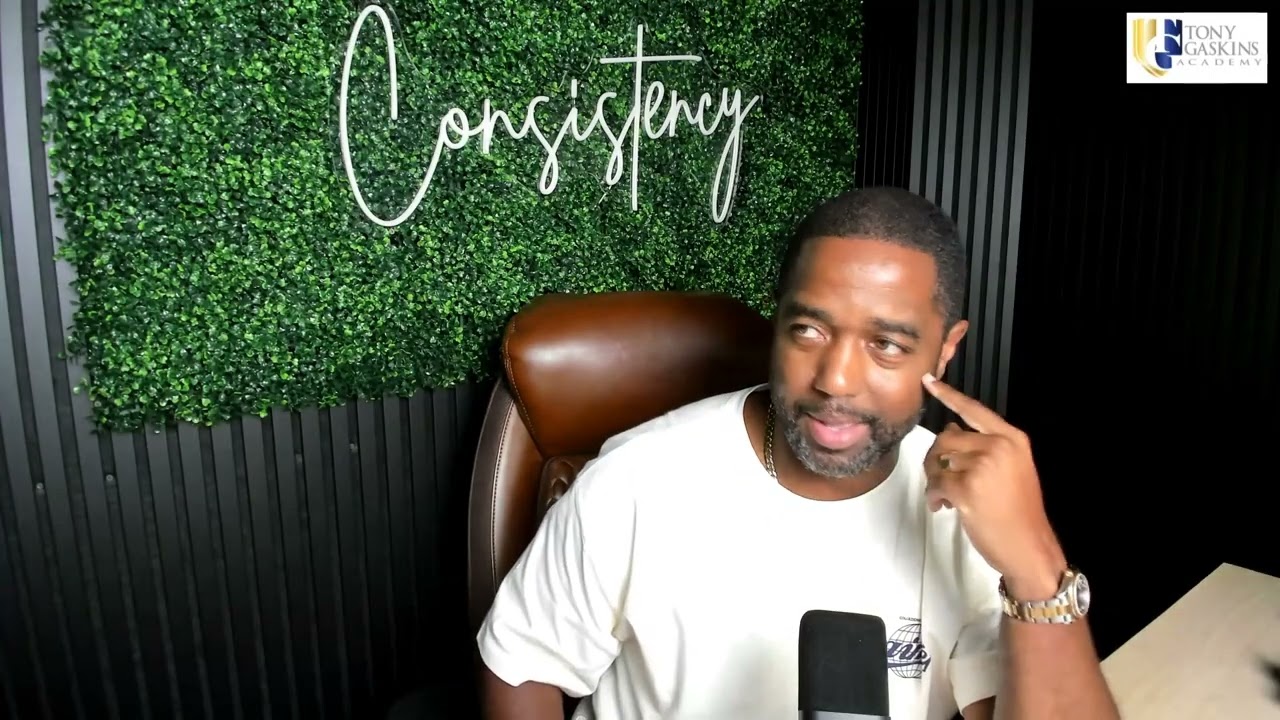
The truth did not come out because Meadows volunteered it.
Instead, the exposure unfolded through a chain reaction: a confidant told a friend, the information spread beyond the church walls, and eventually it reached church leadership. In a pivotal confrontation led by a prophetic leader within the ministry, Meadows was forced to confess—publicly, and devastatingly, in front of his wife.
The timing made it even more painful. It was Father’s Day weekend.
The day before his wife’s birthday.

Rather than collapse, his wife made a decision that surprised many: she chose to fight for her marriage.
But her forgiveness came with conditions—therapy, counseling, accountability, and real change.
Meadows complied immediately.
Since then, he claims to have completed over 100 hours of therapy, submitted to pastoral oversight, and placed structures around his life and ministry to ensure transparency. “Admission is the first step,” he said. “But you have to get help. If you could fix it alone, you would have already fixed it.”

One of the most debated aspects of the scandal is whether a pastor should continue leading while privately struggling with sin. Critics argue that spiritual authority requires moral integrity, citing biblical qualifications for church leaders to be “the husband of one wife” and able to manage their household well.
Meadows does not deny the hypocrisy. Instead, he reframes the issue.
“The standard isn’t perfection,” he argues. “The standard is accountability.”
He pushes back against what he calls the “illusion of perfection” that often surrounds ministry. According to him, many pastors hide their struggles because congregations expect flawlessness. Exposure, though humiliating, forced him into a level of honesty he had avoided for years.

Yet the tension remains. For many believers—especially those new to faith—seeing a spiritual father fall can be destabilizing. Some left the church altogether. Others felt betrayed that a man counseling marriages was privately failing in his own.
Meadows acknowledges the hurt. “There’s not a day that goes by that I don’t think, ‘I disappointed people.’”
But he also insists that broken shepherds are not the same as wolves. “A false teacher uses sin to justify false doctrine. I never changed the doctrine to excuse myself. I was wrong.”

The fallout was not merely emotional. Meadows lost members, reputation, financial stability, and even a major church building. Relationships with fellow pastors fractured. Public trust eroded.
Out of that grief, however, he channeled his story into a theatrical one-man show тιтled My Whole Truth, followed by a second installment, Good Grief. The performances explore not only his infidelity but also the hidden pain of ministry—the expectations, betrayals, pressure, and personal trauma that many leaders silently carry.
His goal, he says, is to humanize pastors and challenge both the church’s culture of secrecy and its appeтιтe for scandal.
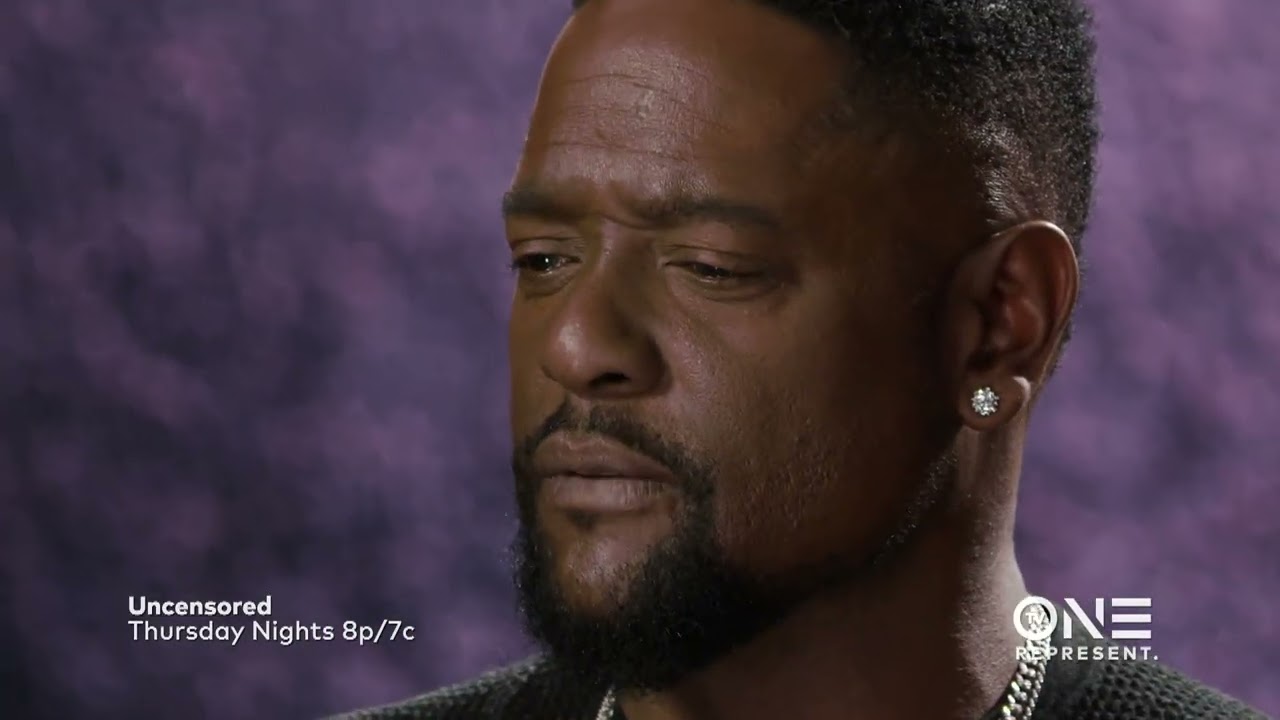
For Meadows, repentance was not a social media apology. It was grief. Loss. Counseling. Humility. Rebuilding trust brick by brick at home before rebuilding influence in public.
He emphasizes that reconciliation—whether in marriage or ministry—requires more than words.
It demands transparency, accountability, and consistent action over time.

“Wisdom doesn’t come through perfection,” he reflects. “It often comes through failure—if you survive it.”
Today, he says his focus is simple: protect his marriage, raise his daughter well, and pastor from a place of honesty rather than image management.
The scandal may always be part of his story. But so, he hopes, will redemption.


