“A Shift and a Sift” – Pastor T. Mwangi’s Explosive Claim About Diamond Platnumz’s No-Show
When Tanzanian music icon Diamond Platnumz failed to perform at the highly anticipated Furaha City Festival in Nairobi, fans were furious. Social media erupted. Organizers were blamed. The artist’s camp cited mismanagement.
But Pastor T. Mwangi has presented a dramatically different explanation.
According to him, Diamond’s absence was not logistical—it was spiritual.
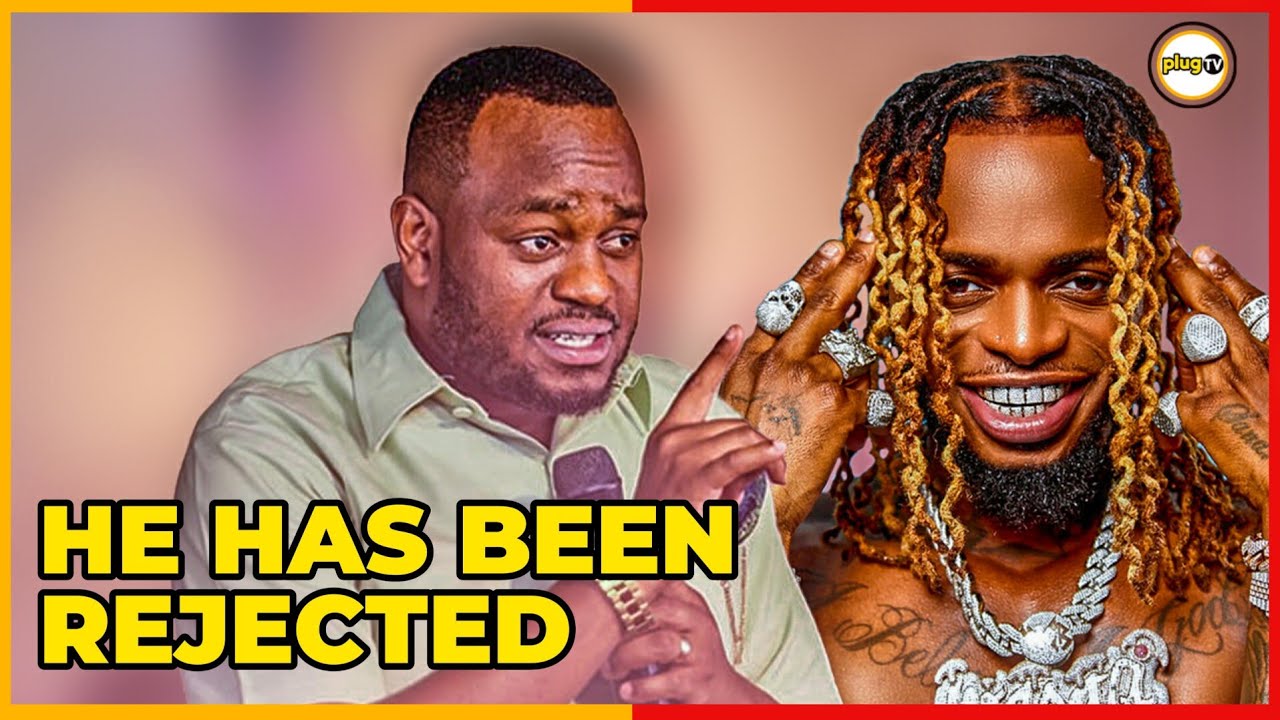
On December 7th, two major events were scheduled in Kenya. On one side was the Furaha City Festival, headlined by Diamond Platnumz, promising a night of entertainment and celebration. On the other side was Praise Atmosphere, a large-scale worship gathering led by Kenyan gospel ministers, including Evelyn Wanjiru.
Both events drew significant attention. Both represented powerful cultural forces.
But Pastor Mwangi believes something deeper was happening behind the scenes.
During the worship gathering, he says, prayers were raised declaring a “shift and a sift” in the nation—particularly in the realms of culture, music, politics, and idenтιтy.
“We declared there has to be a shift and a sift,” Mwangi said. “And something shifted in the atmosphere.”
That same night, Diamond Platnumz did not appear on stage.

In a sermon that has since gone viral, Mwangi claimed that Kenya’s spiritual atmosphere had rejected the artist.
“That man could not perform in our land,” he declared. “The land has begun to vomit. It is not just vomiting a man—it is vomiting a sound.”
His statement wasn’t merely about one performer. It was about what he described as a larger cultural correction.
Mwangi argued that Kenya has long supported and elevated foreign artists while neglecting its own. According to him, many musicians from other countries gained global visibility after stepping onto Kenyan soil. Yet local artists often struggle for the same level of national support.
“There is a spirit in Kenya to kill our own,” he preached pᴀssionately. “We hold it for others but never hold it for our own.”
That night, he and other gospel leaders declared that Kenyan sounds, Kenyan worshippers, and Kenyan creatives would rise.
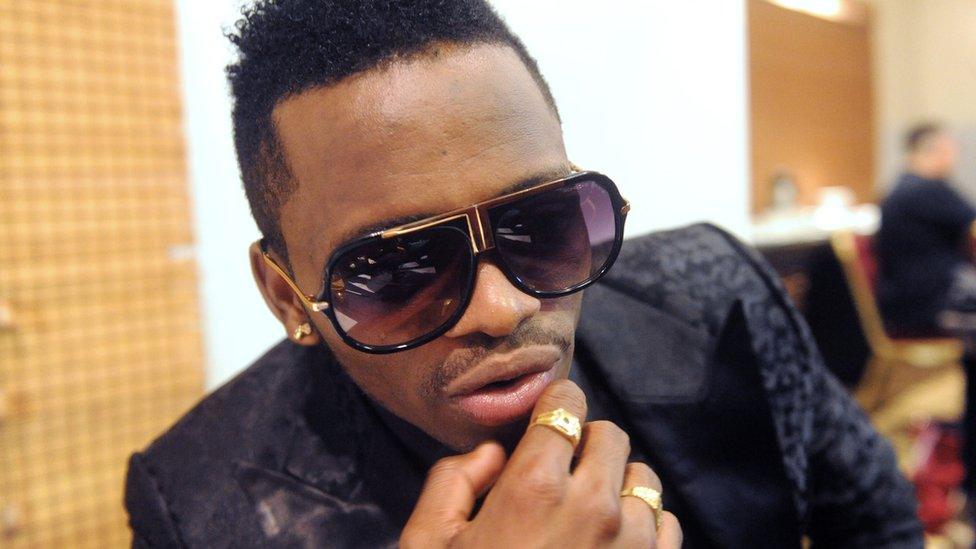
Reports from the Furaha City Festival indicated confusion within Diamond’s camp. Allegations of internal disputes and event management failures circulated. The artist’s team blamed organizers for the no-show.
But Mwangi insists there was more at play.
He revealed that during the worship event, he sensed they were “standing at a gate” in the spiritual realm—blocking certain influences from advancing.
“We labored to generate an atmosphere in the city,” he said. “There was chaos in their camp.”
To critics, this sounds like dramatic spiritual interpretation. To supporters, it confirms the power of collective prayer.

Following the incident, a noticeable online movement began encouraging Kenyans to prioritize local music. Hashtags promoting homegrown artists trended. Some fans publicly pledged to support Kenyan musicians over foreign acts.
Mwangi even suggested a cultural reset: that a majority of playlists should feature Kenyan songs.
“Before we subscribe to a Tanzanian artist,” he said, “we first subscribe to our own.”
Whether the shift was directly linked to prayer or simply national pride triggered by disappointment remains debated. But the conversation about cultural loyalty has intensified.

Beyond the specific incident, Mwangi’s message focused on national idenтιтy.
He spoke about shifts not only in music but in politics, business, and spiritual consciousness. His declaration wasn’t limited to one celebrity—it was about what he sees as a turning point for Kenya.
“We declare over this atmosphere: let the Kenyan sound arise.”
For him, the Diamond Platnumz situation symbolized something larger—a confrontation between secular entertainment dominance and a growing spiritual movement among youth.
At a recent worship gathering in Moi International Sports Centre, nearly 10,000 young people reportedly attended. Mwangi pointed out that on the same night, several secular events were also scheduled.
When worship rises, he suggests, certain influences fall.
Not everyone agrees with the spiritual explanation.
Some argue that logistical mismanagement is far more plausible than supernatural interference. Others caution against framing entertainment choices as spiritual warfare.
However, Mwangi’s supporters believe prayer can influence atmospheres, decisions, and outcomes. In their view, the absence was a sign that something had indeed shifted.
Whether coincidence or conviction, one fact is undeniable: the incident has reignited conversations about culture, influence, patriotism, and the power of faith in public spaces.
And as debates continue, one question lingers:
Was it just a failed concert—or the beginning of a cultural shift?


