Controversy Erupts After Pastor’s Fiery Warning to Online Critics at Archbishop William Hudson’s Church
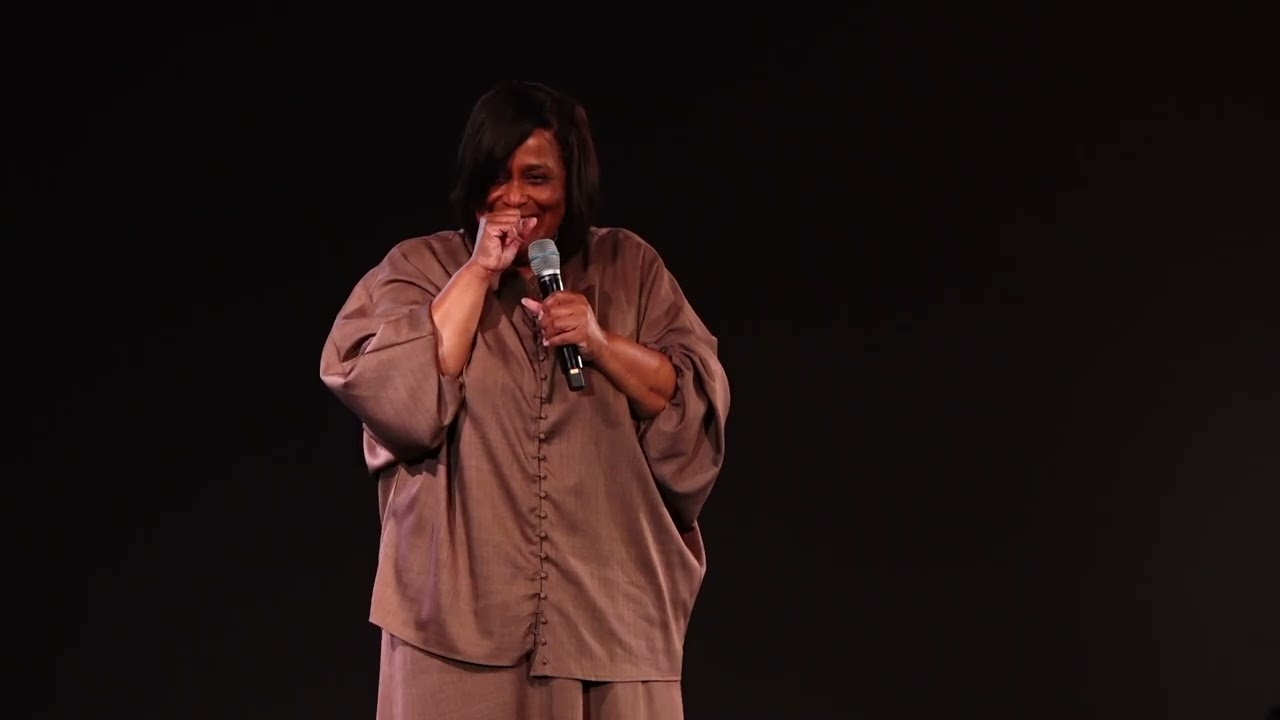
A recent service at Archbishop William Hudson’s church has become the center of intense controversy after Pastor T. Renea Glenn issued a bold and alarming rebuke aimed at YouTube critics who have been publicly questioning certain church practices.
The moment, captured and circulated online, shows Pastor Glenn defending the biblical practice referenced in Acts 19, where cloths and aprons touched by the Apostle Paul were used as instruments of healing. As she addressed the congregation, her tone sharpened toward those she described as ignorant of Scripture and unqualified to criticize what they do not understand.
“Keep your mouth shut when you don’t know the Word,” she declared. “God is going to start striking ᴅᴇᴀᴅ people who are speaking against His works.”

The statement instantly reverberated beyond the sanctuary walls.
The controversy appears rooted in online discussions about symbolic garments—such as capes, towels, or cloths—used during certain services ᴀssociated with Archbishop Hudson’s ministry and leaders within the Pilgrim ᴀssemblies movement. Critics on YouTube have questioned whether such practices align with biblical teaching or represent spiritual theatrics unsupported by Scripture.
Pastor Glenn responded by pointing directly to Acts 19:11-12, emphasizing that special miracles were performed through Paul, and that handkerchiefs and aprons carried healing power when taken from his body to the sick.
Her defense was emphatic. Those challenging the practice, she suggested, simply lacked biblical understanding.
However, the reaction from critics was swift and equally forceful.
Several online commentators accused the pastor of weaponizing Scripture and using fear-based rhetoric to silence dissent. Some cited Luke 6:27 and Romans 12:14, which instruct believers to bless those who persecute them and to refrain from cursing. Others referenced James 3:9-10, which warns against using the same mouth to bless God while cursing people made in His image.
The clash highlights a broader tension in modern Christian spaces—particularly where livestreamed services and social media commentary collide.
In the digital age, church services no longer remain within four walls. Livestream platforms and YouTube commentary channels have created an ecosystem where sermons, prophetic declarations, and fundraising appeals are immediately analyzed, debated, and sometimes ridiculed.
During the same service, shortly after the warning to critics, Pastor Glenn invited attendees to sow financial “seed,” encouraging a $200 offering described as a “prophetic investment.” While she clarified that participation carried “no pressure,” critics viewed the timing as problematic—arguing that fiery rebukes followed by financial appeals can create emotional leverage.
Supporters, on the other hand, insist that sowing seed is a long-standing biblical principle and that prophetic language should not automatically be interpreted as manipulation. They argue that strong spiritual warnings are part of apostolic boldness and that Scripture itself contains instances where divine judgment followed rebellion.
The debate ultimately centers on interpretation and tone.
Is declaring that God will strike down critics an expression of spiritual conviction—or does it cross into spiritual intimidation?
Religious scholars note that throughout church history, disputes over miracles, relics, symbolic objects, and prophetic authority have often sparked division. From early debates about apostolic succession to modern disagreements about charismatic practices, Christianity has wrestled with defining the boundaries between authentic faith expressions and excess.
What makes this situation different is the speed and scale of public reaction. Within hours, clips of the sermon circulated widely, accompanied by commentary labeling church leaders as false prophets, manipulators, or worse. In response, supporters defended the church, arguing that outsiders misunderstand spiritual dynamics and lack context.
The exchange underscores a deeper cultural shift: authority is no longer ᴀssumed. It is examined—sometimes harshly—under the lens of public scrutiny.
For many observers, the most striking aspect of the incident is not the theological disagreement but the intensity of the language used on all sides. Accusations of witchcraft, demonic influence, and eternal damnation were traded between critics and defenders alike, reflecting how quickly doctrinal disputes can escalate into spiritual warfare rhetoric.
In the end, the controversy surrounding Pastor T. Renea Glenn’s remarks raises critical questions about accountability, interpretation of Scripture, and the responsibility of spiritual leaders in the digital age.
Should pastors respond directly to online criticism from the pulpit?
Where is the line between prophetic rebuke and personal attack?
And how should believers navigate theological disagreement without descending into curses and condemnation?
As the conversation continues to unfold online, one thing is clear: the intersection of faith, influence, and social media ensures that moments like this will not remain private for long.
The debate is far from over.


