What is unfolding in the corridors of the Vatican is not a pᴀssing disagreement destined to be resolved with a carefully worded communiqué. It is the visible emergence of tensions that have been building for decades. The Catholic Church now stands at a decisive historical moment, and at the center of it is Pope Leo XIV, a pontiff who inherited unresolved conflicts rather than creating them.
To grasp the weight of this moment, one must return to the closing of the Second Vatican Council in 1965. For many Catholics, it represented renewal and engagement with the modern world. For others, it marked the beginning of ambiguity and instability. The Council’s documents themselves were not the immediate source of rupture; rather, it was their interpretation and implementation that sparked divergent paths. Over time, these paths hardened into opposing camps.
In 1970, the Priestly Fraternity of St. Pius X was founded, expressing concern that post-conciliar reforms endangered doctrinal clarity and liturgical tradition. The decisive rupture came in 1988 when episcopal consecrations were carried out without papal mandate, resulting in excommunications and a wound that has never fully healed. The question at the heart of the conflict was always theological: was the Council to be understood in continuity with tradition, or as a break from it?
Pope Benedict XVI famously spoke of a “hermeneutic of continuity” versus a “hermeneutic of rupture.” He insisted that Vatican II must be interpreted within the uninterrupted tradition of the Church. Yet despite such clarifications, tensions persisted, sometimes quietly, sometimes dramatically.

Today, that unresolved debate has resurfaced. The leadership of the Fraternity of St. Pius X has signaled the possibility of new episcopal ordinations without papal approval. Canon law is clear about the consequences of such actions. They would represent not merely disciplinary defiance but the deepening of an already fragile separation. The Vatican has responded with renewed dialogue, seeking an agreement centered on acceptance of what it considers the essential teachings of the Council. Whether that minimum consensus can be reached remains uncertain.
Simultaneously, a very different challenge emerges from Germany. The German Synodal Path has produced proposals and pastoral guidelines that many perceive as moving in a direction far removed from traditional Catholic teaching. Debates over Sєxual morality, the nature of sin, priestly celibacy, and sacramental practice have not remained theoretical. They have reached parish life, catechesis, and the lived experience of the faithful.
In some regions, practices diverge markedly from those in neighboring dioceses. One parish emphasizes sacramental confession for children; another minimizes it. Some communities publicly affirm positions on Sєxuality that appear to conflict with longstanding magisterial teaching. For ordinary Catholics, the result is confusion. What does the Church truly teach? Does doctrine vary by geography?
This dual pressure places Pope Leo XIV in an extraordinarily delicate position. On one side stands the risk of formal rupture with traditionalist groups who question aspects of the Council. On the other lies the possibility of gradual doctrinal divergence within national churches. The former would be visible and dramatic. The latter could be subtler but equally corrosive.
The Catholic Church is not structured as a federation of autonomous communities. Its idenтιтy rests on shared faith, sacraments, and magisterial authority. If different episcopal conferences effectively redefine doctrine or sacramental discipline, unity becomes symbolic rather than real. Yet if reconciliation efforts with traditionalists require concessions that undermine the Council’s legitimacy, another kind of fracture emerges.
History demonstrates that ecclesial crises are not resolved through ambiguity alone. Clarity and charity must coexist. Clarity without charity breeds harshness; charity without clarity fosters confusion. Pope Leo XIV must navigate between extremes without yielding to either.
The temptation in such moments is postponement—commissions, extended dialogue, carefully nuanced statements. Yet delay can deepen divisions. Positions become entrenched. Expectations rise. The faithful grow weary of uncertainty.
Theologically, the distinction between doctrinal development and doctrinal contradiction is crucial. As St. John Henry Newman articulated, authentic development unfolds organically from what was always believed. It does not negate previous teaching. Many critics of the German process argue that certain proposals cross that boundary. At the same time, defenders of the Synodal Path contend that pastoral realities demand fresh articulation and deeper reflection.

Similarly, traditionalist critiques of post-conciliar reforms highlight genuine historical abuses and theological confusion. Yet rejecting the Council as such places one outside the Church’s conciliar authority. The challenge is to differentiate between legitimate critique and outright denial of ecclesial legitimacy.
For Pope Leo XIV, the stakes are not merely administrative. They concern the Church’s self-understanding. Catholicity implies universality—a shared confession of faith across cultures and continents. If doctrinal and sacramental coherence weakens, the meaning of “Catholic” itself is tested.
Scripture underscores the gravity of unity. St. Paul appealed to the Corinthians to avoid divisions and to be united in mind and judgment. Unity, however, is not uniformity nor is it achieved through silence about truth. It arises from shared adherence to Christ and the apostolic faith.
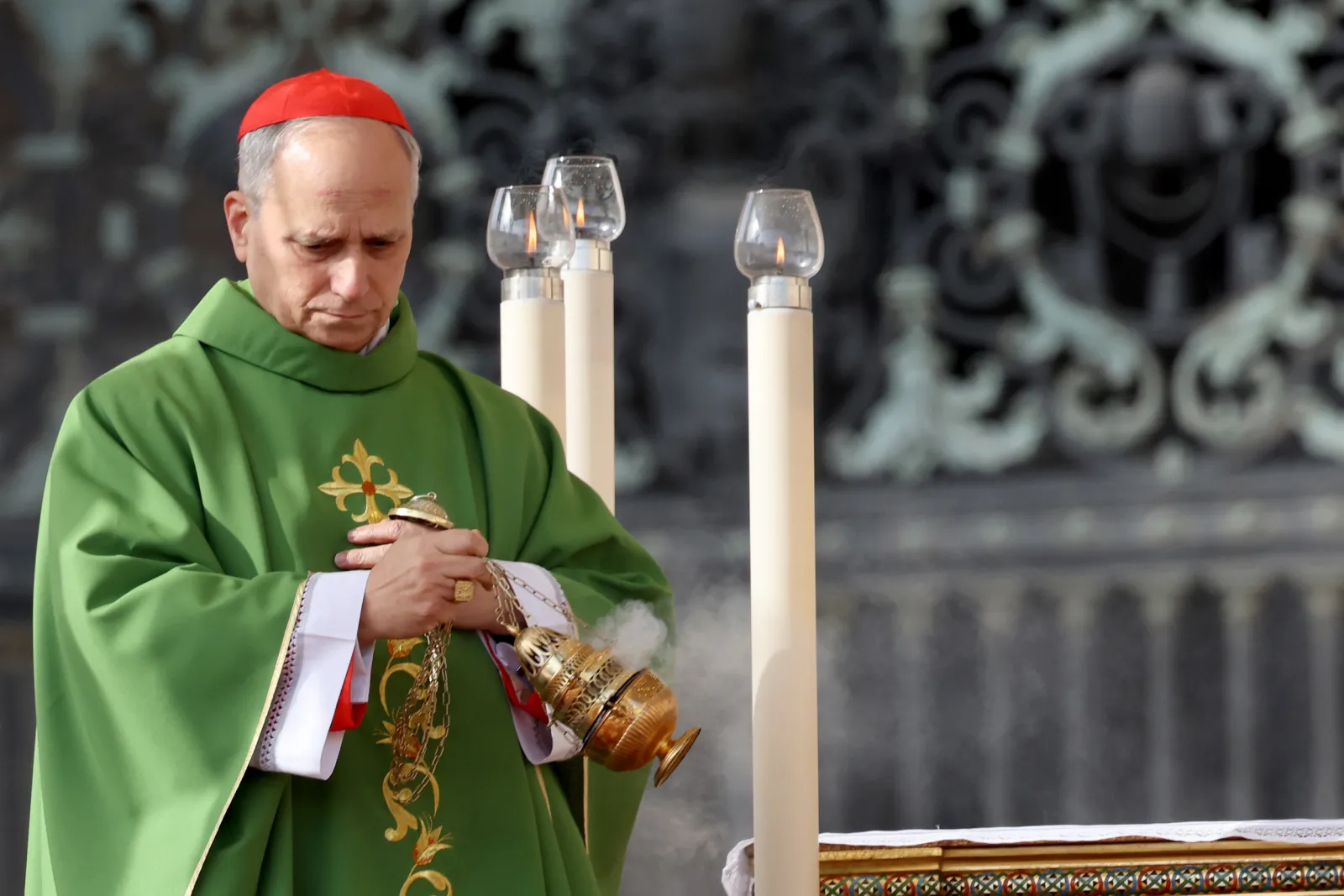
The months ahead will likely demand decisive leadership. If the Pope affirms the Council’s authority while clearly delineating its proper interpretation, he may strengthen continuity. If he addresses doctrinal ambiguities within national processes without dismissing legitimate pastoral concerns, he may preserve unity. But either path carries cost.
The Church has faced crises before—Arianism, the Great Schism, the upheavals of the Reformation. Each time, clarity of doctrine combined with courageous leadership proved decisive. Popularity was rarely the measure of fidelity.
What unfolds now is not simply a battle between conservatism and progressivism. It is a confrontation over interpretation, authority, and idenтιтy. The faithful seek ᴀssurance that what they believe in one parish remains true in another. They desire coherence, not ideological compeтιтion.
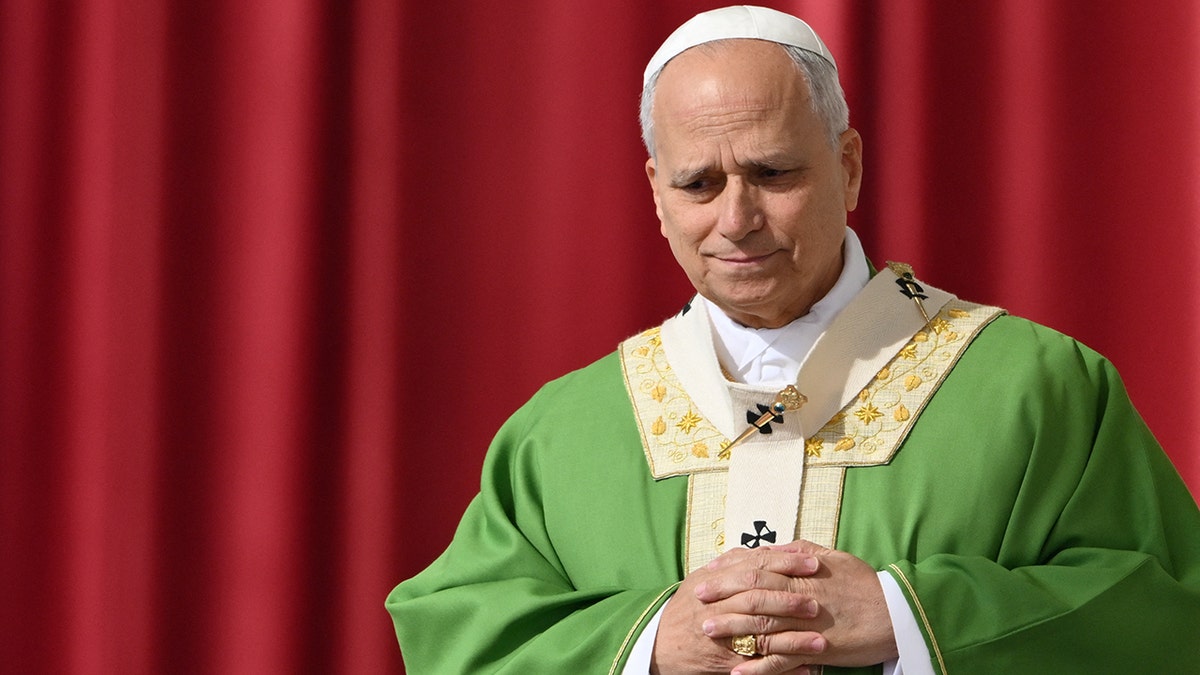
Pope Leo XIV stands at a crossroads shaped by decades of unresolved tension. The outcome will influence the Church’s trajectory for generations. Whether through reconciliation, correction, or firm reaffirmation of doctrine, the path forward must be guided by fidelity to Christ and confidence in the Holy Spirit.
The crisis is real. The divisions are visible. Yet the Church’s history suggests that moments of profound tension can become moments of purification. The question is not whether challenges exist, but how they will be met.


