A Nation Overwhelmed: Portugal Battles Catastrophic Floodwaters
Torrential rain hammered Portugal through the night, and by dawn entire stretches of highway had disappeared beneath churning brown water.
What began as a severe weather warning escalated into a full-scale national emergency as record-breaking floodwaters swallowed roads, surged through neighborhoods, and pushed already fragile infrastructure to its limits.
Authorities across Portugal described the unfolding disaster as one of the most intense flooding events in decades.
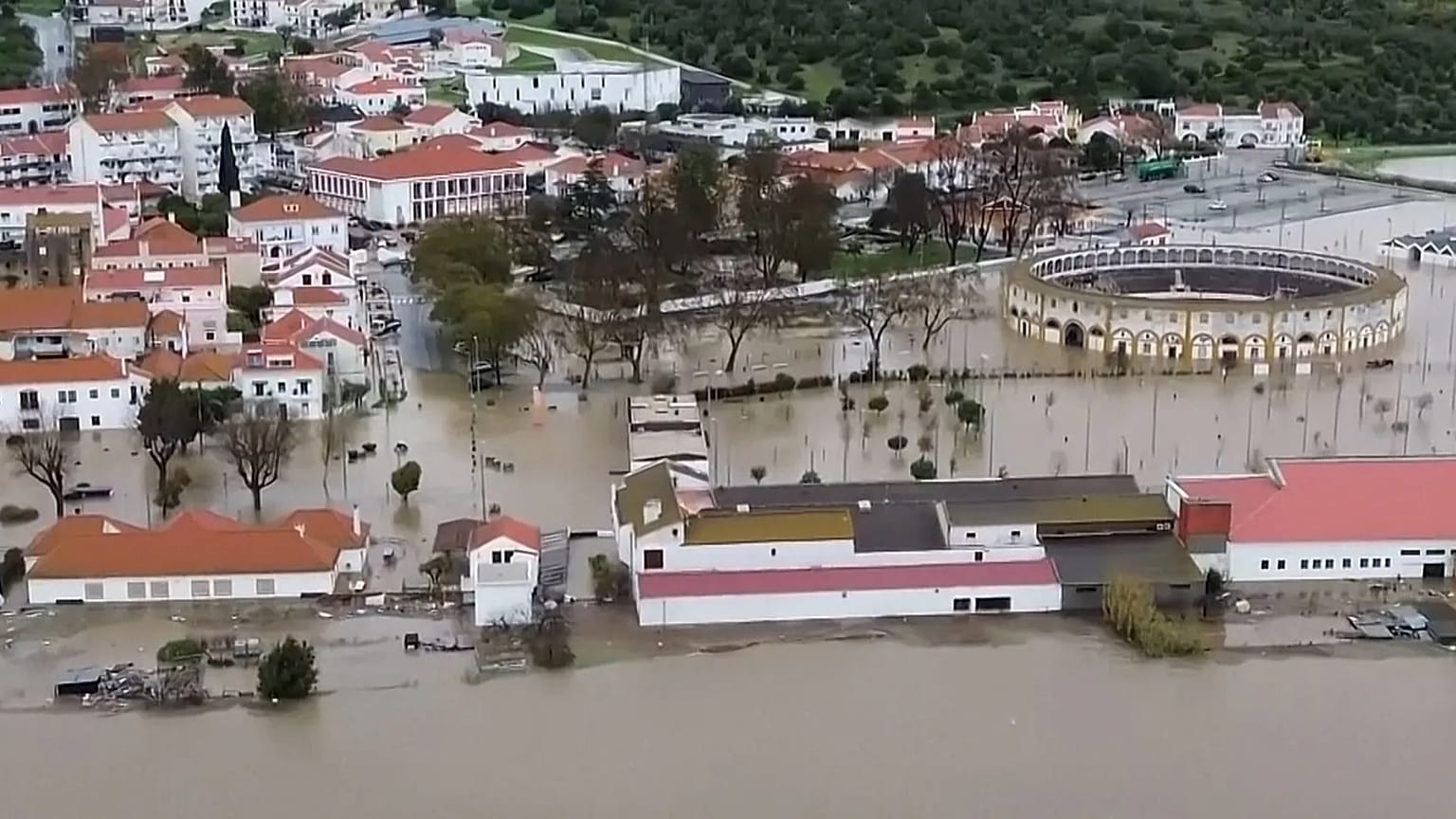
Rivers burst their banks after days of relentless rainfall, sending torrents into low-lying urban areas.
In several cities, underpᴀsses transformed into lakes, vehicles floated helplessly, and commuters abandoned cars mid-journey as water levels rose with alarming speed.
Emergency services were stretched thin.
Firefighters navigated submerged streets in inflatable boats, knocking on second-story windows to evacuate stranded residents.
In some districts, electricity was cut off to prevent electrocution hazards as substations were overwhelmed.
Hospitals activated contingency plans while municipal authorities urged citizens to remain indoors and avoid non-essential travel.
Major transport arteries were hit hardest.
Key highways connecting urban centers were rendered impᴀssable, with sections reportedly collapsing after embankments eroded under the pressure of rushing water.
Images shared by local officials showed asphalt buckled and torn apart, guardrails twisted, and landslides blocking mountain routes.
Rail lines were suspended in multiple regions after floodwaters inundated tracks and destabilized foundations.
In neighborhoods near river basins, the devastation was immediate and personal.
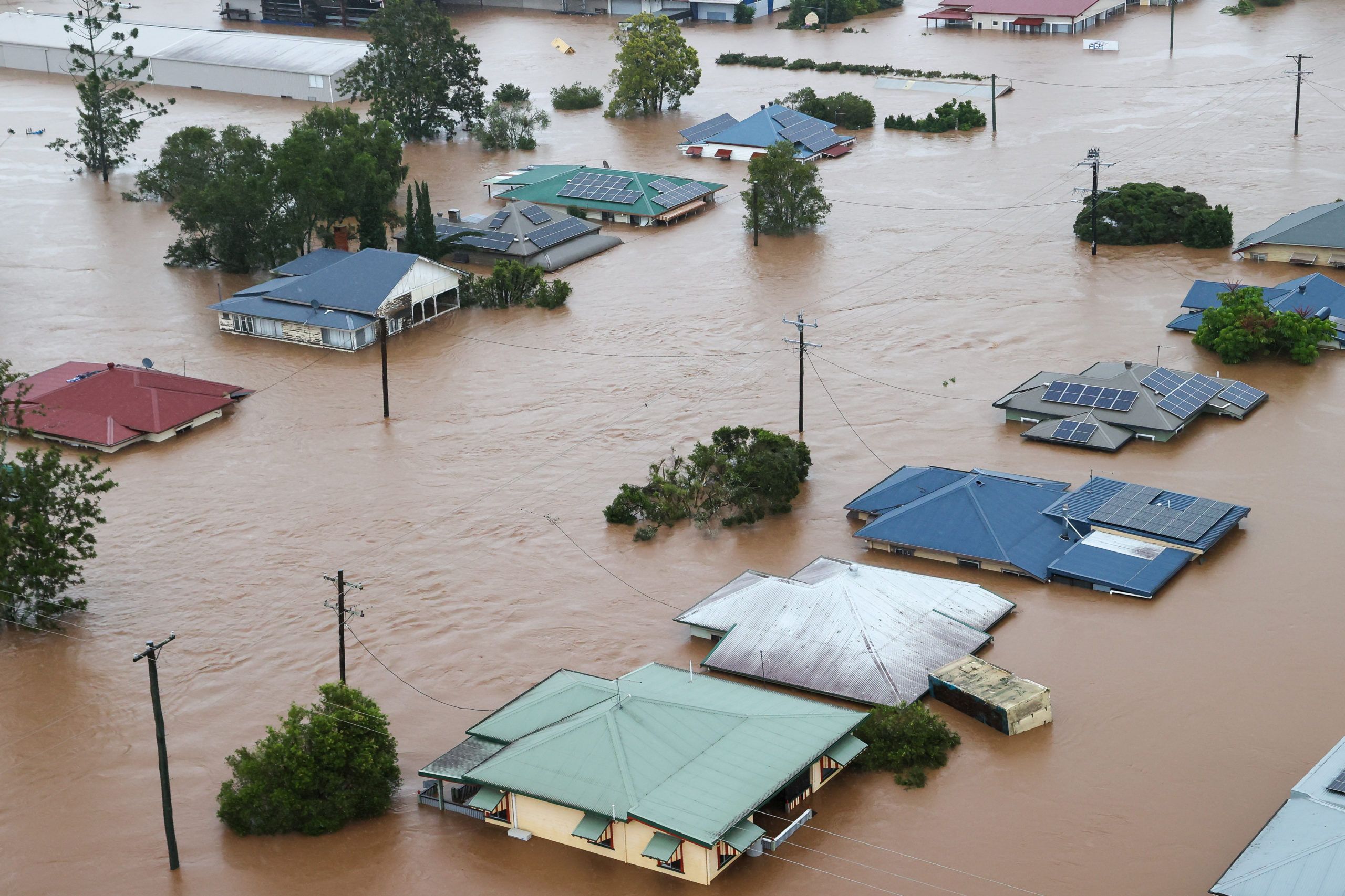
Ground floors filled within minutes.
Families scrambled to salvage belongings, stacking furniture atop tables and retreating upstairs.
In some cases, residents were forced onto rooftops as rescue teams maneuvered through debris-filled currents below.
Meteorologists indicated that an unusually slow-moving storm system intensified rainfall totals beyond seasonal norms.
Saturated soil left little capacity for absorption, funneling runoff directly into rivers and urban drainage systems that quickly became overwhelmed.
Officials acknowledged that while heavy rainfall is not uncommon during certain months, the volume and concentration of precipitation in such a short window contributed to the severity of the flooding.
Infrastructure vulnerabilities compounded the crisis.

Aging drainage networks struggled to handle the surge.
Pumping stations in some municipalities failed after power outages disrupted operations.
Authorities confirmed that several dams were forced to release excess water to maintain structural safety, adding to downstream flow levels.
Economic consequences are expected to be significant.
Industrial zones in flood-prone areas reported warehouse inundations and machinery damage.
Small businesses—cafés, shops, local markets—face weeks of cleanup and uncertain reopening timelines.
Agricultural lands in rural districts were also submerged, raising concerns about crop losses and livestock displacement.
The human toll is still being ᴀssessed.
Emergency officials confirmed multiple injuries related to flood incidents, including individuals swept off their feet by fast-moving water and drivers trapped in submerged vehicles.
Search teams continue to comb affected zones to ensure no residents remain unaccounted for.
Government leaders convened emergency meetings as the scale of the disaster became clear.
National civil protection agencies coordinated with local authorities to deploy additional resources, including rescue units, portable generators, and temporary shelters.
Officials emphasized that recovery efforts would require sustained support long after waters recede.
Climate experts point to broader patterns of extreme weather affecting parts of Europe in recent years.
While individual storms cannot be attributed to a single cause without detailed analysis, the increasing frequency of intense rainfall events has placed renewed focus on infrastructure resilience and urban planning in flood-prone regions.
Residents described a mixture of shock and grim determination.
“The water came so fast,” one homeowner said while surveying mud-streaked walls.
“We’ve seen floods before, but nothing like this.
” Volunteers formed impromptu cleanup crews, pᴀssing sandbags hand to hand and clearing debris from blocked drains in hopes of accelerating drainage.
As rainfall gradually eased in some regions, attention shifted toward stabilization.
Engineers began inspecting bridges for structural integrity.
Utility crews worked to restore power to darkened neighborhoods.
Environmental teams monitored water quality, concerned about contamination from overwhelmed sewage systems.
Yet meteorological services warned that additional rainfall bands could complicate recovery efforts in already saturated areas.
Officials urged residents to remain vigilant, emphasizing that floodwaters can conceal hazards such as downed power lines, unstable surfaces, and open manholes.
The psychological impact may linger long after the water recedes.
For families who watched treasured possessions carried away, the event marks a profound disruption.
Schools in affected districts announced temporary closures, and transportation authorities cautioned that repairs to major highways could take weeks or months.
As Portugal confronts the aftermath of this historic deluge, the nation faces urgent questions about preparedness in an era of increasingly volatile weather.
Rebuilding roads and restoring neighborhoods will demand not only financial investment but also strategic planning to reduce vulnerability to future floods.
For now, rescue lights continue to flicker across waterlogged streets, and the sound of pumps echoes through darkened districts.
The storm may have pᴀssed, but its imprint on Portugal’s cities—etched in mud, debris, and shattered asphalt—will endure long after the skies clear.


