The Rise, Ruin, and Remarkable Return of Gloria Swanson
Gloria Swanson was never meant to live an ordinary life. Born Gloria May Josephine Swanson on March 27, 1899, in Chicago, she grew up as the only child of a strict Lutheran household. Her father served as a supply officer in the U.S. Army, and frequent relocations shaped her childhood into one of constant motion and quiet isolation. Even as a young girl, she sensed she was different.
Her mother worried obsessively about Gloria’s appearance, especially her ears, crafting hats to conceal what she believed were imperfections. Yet beneath that scrutiny grew a young woman with poise, ambition, and a voice suited for opera. Gloria dreamed of grand stages and dramatic arias—not motion pictures.

That changed the day she walked into Essanay Studios at age 15. Initially hoping only for a glimpse of matinee idol Francis X. Bushman, she instead walked away with a small role and $3.25 for a single day’s work. It felt like a fortune. Within weeks, she had dropped out of school and signed a weekly contract.
Hollywood quickly noticed her presence.
By 1916, Swanson had moved to California and joined Keystone Studios, appearing in slapstick comedies. She disliked being marketed as merely a “bathing beauty,” posed in revealing swimsuits for publicity. Gloria believed she possessed more than pretty legs—she wanted serious roles, dramatic substance, and artistic respect.
Her persistence paid off when director Cecil B. DeMille recognized her star quality. Films like Don’t Change Your Husband (1919), Male and Female (1919), and Why Change Your Wife? (1920) transformed her into the embodiment of glamour. Lavish costumes, elaborate sets, and daring scenes pushed cinematic boundaries. Audiences were captivated.
By 1923, Swanson was earning $20,000 a week—an astronomical sum at the time. In 1924, she reportedly made over $1 million in a single year, placing her among the highest-paid women in the world. Between 1918 and 1929, she earned an estimated $8 million.
She spent it just as quickly.
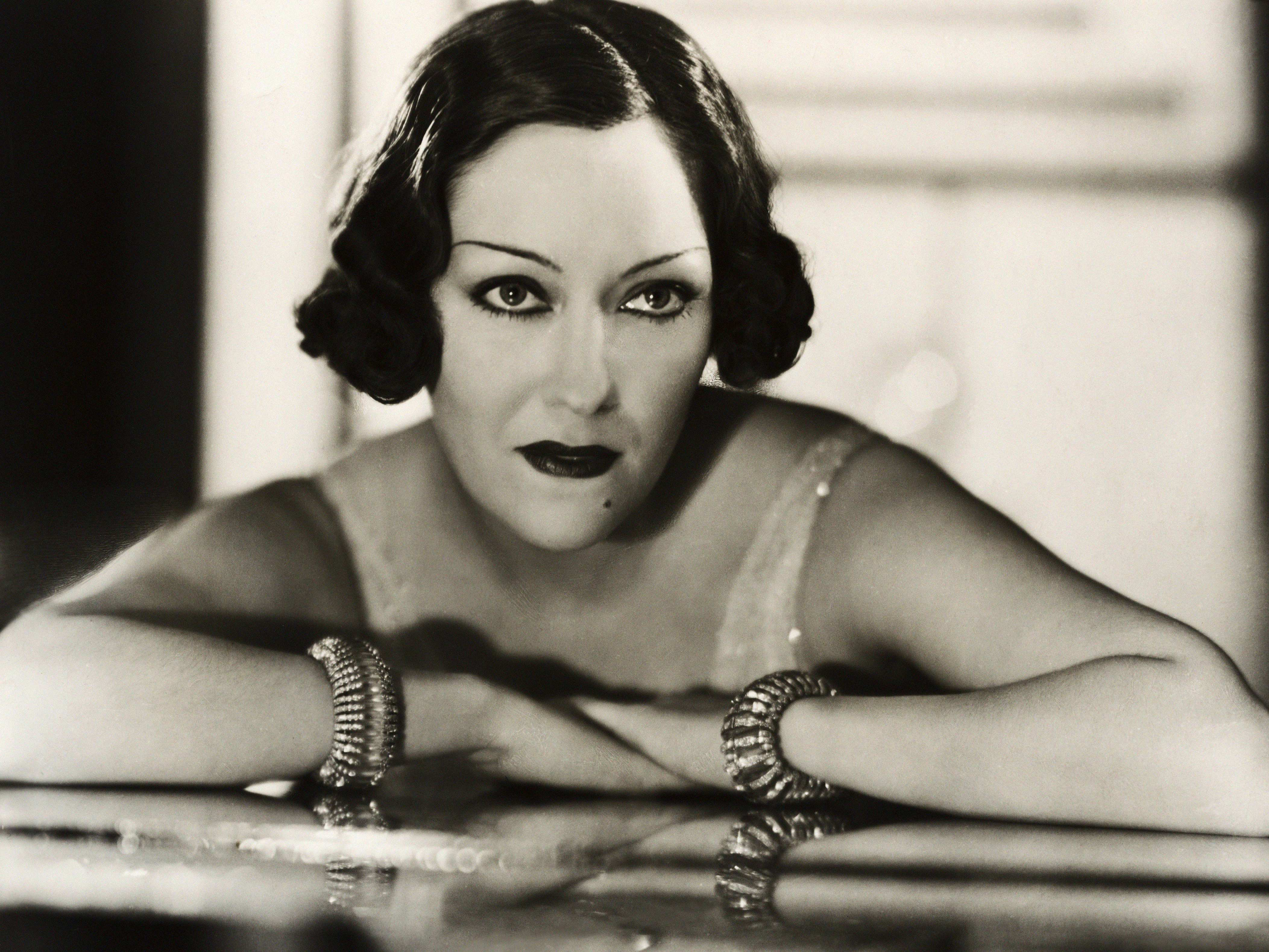
Jewelry alone cost her $500,000. She poured tens of thousands into gowns, furs, perfume, and stockings. She hosted lavish parties for hundreds of guests, gifting women solid gold compacts and men gold cigarette cases. While the average American family earned about $3,200 a year, Gloria’s lifestyle redefined excess.
But glamour masked instability.
Her personal life was turbulent, marked by six marriages, public scandals, and whispered affairs. Among the most consequential relationships was her secret romance with Joseph P. Kennedy, father of future President John F. Kennedy. Kennedy stepped in during the late 1920s when Swanson faced mounting debt, offering financial guidance and business management.
Instead, the partnership became a financial catastrophe.
Kennedy restructured her accounts, launched production ventures in her name, and financed projects that left her carrying enormous risk. The most devastating blow came with Queen Kelly (1929), an ambitious film plagued by creative conflict and spiraling costs. The production burned through over $800,000—money Swanson later realized had been structured as loans against her.
When Kennedy abruptly exited both their affair and her financial world, Gloria was left with debts nearing $1.5 million.
By the end of 1927, the woman who once earned a million dollars annually had just $65 in her bank account.
The arrival of sound films further complicated her career. Though she continued acting, the silent-era dominance she once enjoyed faded. Yet Swanson refused to disappear.

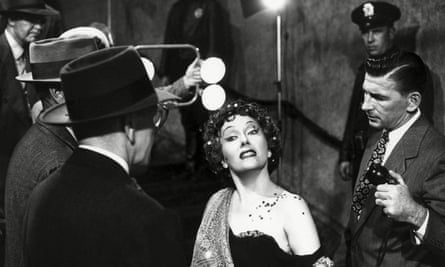
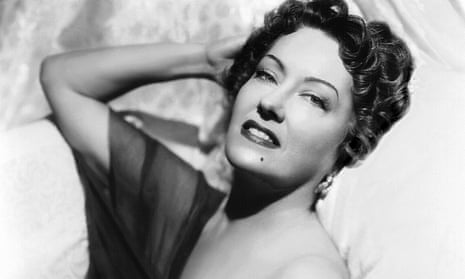
In 1950, she stunned Hollywood with her role as Norma Desmond in Sunset Boulevard. Initially insulted at being asked to screen test, she ultimately delivered a haunting performance that mirrored elements of her own life—an aging silent film star confronting a changing industry.
The role revived her career and cemented her legacy.
Beyond acting, Swanson reinvented herself repeatedly. In 1939, she founded a company in New York called Multiprises, investing in inventions and helping European scientists fleeing Nazi persecution. She became an early advocate of health-conscious living, adopting strict dietary habits decades before such practices became fashionable in Hollywood.

Through business ventures, royalties, real estate, and continued performances in television and theater, Swanson quietly rebuilt her wealth. She lived more cautiously in later decades, learning from the painful lessons of extravagance and misplaced trust.
When Gloria Swanson pᴀssed away on April 4, 1983, at age 83, she requested a private farewell. But the attention surrounding her estate was anything but quiet.
Estimates of her net worth at the time of her death ranged between $5 million and $20 million. Some figures included real estate holdings, intellectual property rights, memorabilia, and the appreciating value of her possessions. Auctions of her jewelry, costumes, furniture, and personal artifacts drew enormous interest, with items increasing significantly in value over time.
Her famed New Jersey mansion, Gloria Crest—once listed for nearly $40 million—symbolized both the height of her extravagance and the enduring fascination with her legacy.

The numbers, in the end, tell only part of the story.
Gloria Swanson’s life was not a straight line from riches to ruin or from scandal to redemption. It was a cycle of ascent, collapse, reinvention, and resilience. She experienced financial devastation, public humiliation, creative betrayal, and heartbreak. Yet she refused to let any single chapter define her.
From a teenage girl hiding beneath carefully crafted hats to a woman commanding millions—and losing them—then rebuilding quietly over decades, Gloria Swanson proved that fortune is not only about money.
It is about endurance.


