Robert Duvall Says Hollywood Didn’t Collapse — It Drifted
Robert Duvall was born on January 5, 1931, in San Diego, California, into a household defined by discipline. His father, William Howard Duvall, was a rear admiral in the United States Navy, a man who valued order and hierarchy. A military future seemed expected. But Duvall never felt at home inside rigid structures. By his own admission, he struggled academically and found little that came naturally to him—except acting.
After serving in the U.S. Army, Duvall committed himself to performance, studying at the Neighborhood Playhouse in New York alongside contemporaries like Dustin Hoffman and Gene Hackman. Unlike many who chase fame, Duvall approached acting as a craft built on patience and humility. His early career unfolded through stage work and television appearances, sharpening instincts that would later define his understated style.

When he appeared as Boo Radley in To Kill a Mockingbird (1962), he spoke almost no lines. Yet the performance was unforgettable. It established a theme that would follow him throughout his career: presence over spectacle, truth over theatrics.
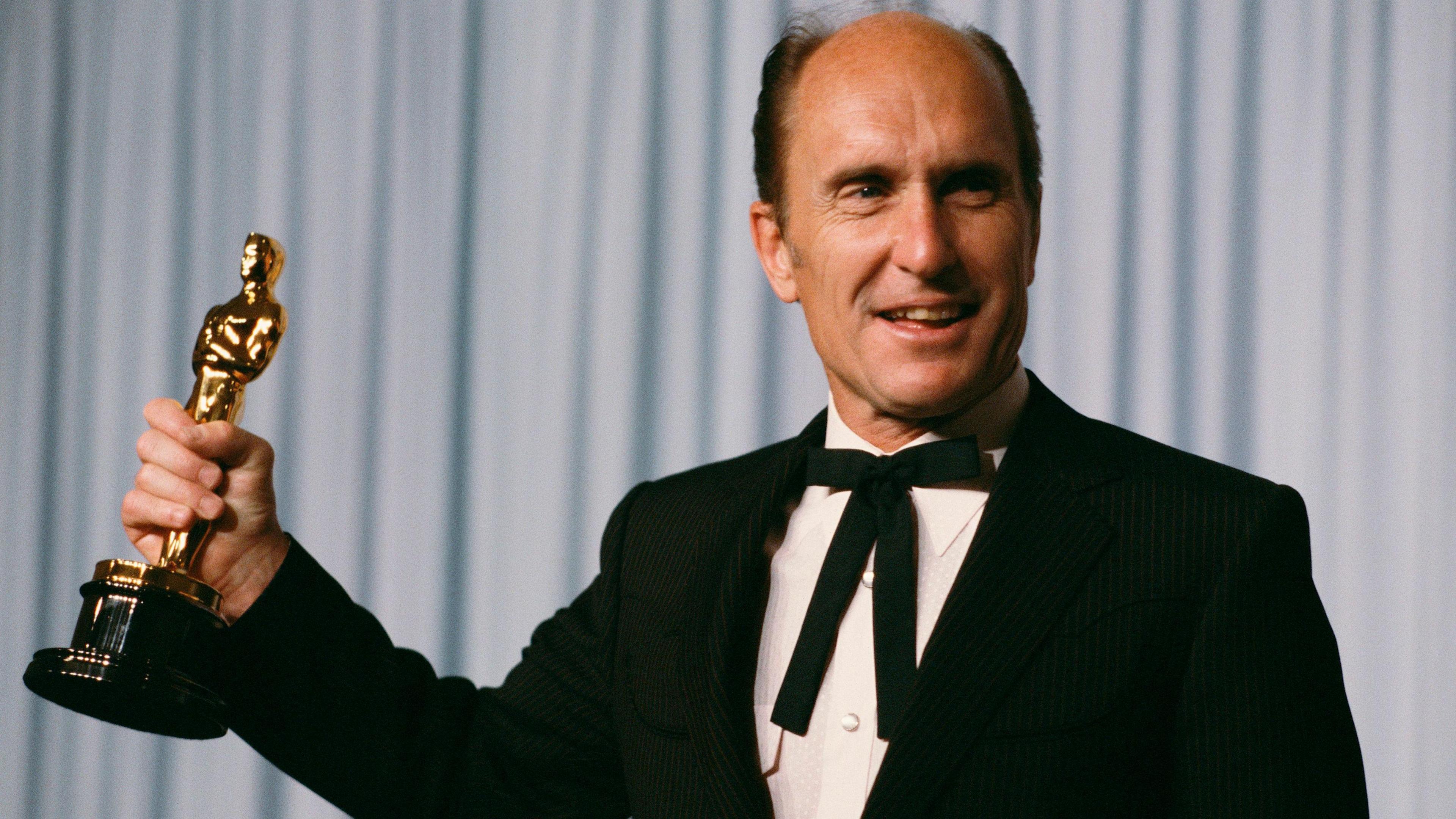
From The Godfather to Apocalypse Now, from Tender Mercies—which earned him an Academy Award—to Lonesome Dove, Duvall became known for portraying flawed, deeply human men. He never seemed interested in stealing scenes. Instead, he grounded them. That grounding, he now argues, is exactly what Hollywood has lost.
In interviews over the past decade, Duvall has described a gradual transformation within the industry.
Early in his career, films were built around character. Directors debated motivations, not marketing demographics. Studios feared financial failure, but they still gambled on stories that were risky or unconventional.
According to Duvall, that culture shifted. Executives began prioritizing global box office viability over emotional truth. Scripts became products. Characters became predictable archetypes designed for broad appeal. “It drifted,” he has suggested—not in one dramatic collapse, but in incremental compromises.
He argues that today’s system is driven by safety. Franchises, sequels, intellectual property—these dominate because they minimize risk. But risk, in Duvall’s view, is the lifeblood of storytelling. Without it, films may succeed commercially yet fail spiritually.

Nothing illustrates his philosophy more than The Apostle (1997), a project Duvall carried for decades. Inspired by his observations of Pentecostal preachers in Arkansas during the 1960s, the story centered on a deeply flawed evangelical minister wrestling with guilt and violence.
Studios repeatedly rejected the script. It was too religious, too morally ambiguous, too difficult to market. Rather than abandon it, Duvall financed, wrote, directed, and starred in the film himself. The risk was enormous. The pressure nearly broke him.
But when The Apostle was released, it earned critical acclaim and an Academy Award nomination. More importantly, it proved that intimate, uncomfortable storytelling could still resonate. For Duvall, it was a personal victory against an industry increasingly reluctant to take chances.

Duvall’s criticism of Hollywood is rooted not in bitterness but in principle. When The Godfather Part III entered production, he declined to return as Tom Hagen after being offered significantly less money than Al Pacino. For Duvall, the issue wasn’t ego—it was respect. He believed his contribution to the saga’s moral framework warranted equal valuation.
He walked away. The film proceeded without his character, and many fans felt the absence. But Duvall has remained firm: integrity mattered more than legacy.
This pattern has defined his career. He has publicly criticized powerful figures when he believed they crossed ethical lines. He has declined collaborations with directors whose methods he found harmful to actors. Even late in life, he chooses projects selectively, favoring substance over visibility.

Perhaps Duvall’s most pointed critique involves what he describes as a culture of fear. In recent interviews, he has suggested that Hollywood has become less tolerant of independent thought. Not necessarily because of one ideology, but because of pressure to align publicly.
He has referred to himself as a “political atheist,” rejecting the idea that art should serve as a vehicle for approved messaging. In his view, when artists feel compelled to conform—socially or politically—characters lose complexity. Stories flatten. Moral ambiguity disappears.
“Fear flattens storytelling,” he has implied. When creators worry more about backlash than truth, the result is safe, sanitized narratives.

Despite his concerns, Duvall continues to work. His performance in Broken Trail (2006) demonstrated that television could still deliver character-driven gravitas. In The Pale Blue Eye (2022), he proved that even brief appearances can command attention when grounded in authenticity.
He does not claim that all modern cinema is empty. Rather, he argues that the system discourages the very qualities that once defined it—patience, courage, and faith in audiences.
At over 90 years old, Duvall speaks less like a critic and more like a craftsman mourning a workshop he barely recognizes. He does not rage against change. He questions what was sacrificed along the way.

For Robert Duvall, Hollywood’s crisis is not about technology or generational shifts.
It is about trust—trust in actors, in writers, and in viewers. Trust that complicated stories are worth telling even when they make people uncomfortable.
When the noise fades and the algorithms adjust again, Duvall believes only one thing will endure: honest storytelling. Everything else, he suggests, is temporary.


