What is really happening in the Middle East today?
Tensions between Iran and Israel have escalated dramatically in recent weeks.
A series of missile and drone attacks has reignited fears of a broader conflict.
As the world watches, the situation continues to evolve, raising questions about stability in the region.
In this article, we will explore the latest developments in the Iran-Israel conflict, examining the implications for global geopolitics.

The Context of the Conflict
The historical backdrop of the Iran-Israel conflict is complex and fraught with animosity.
For decades, these two nations have been at odds, driven by ideological, religious, and territorial disputes.
Iran’s support for militant groups like Hezbollah and Hamas has long been a thorn in Israel’s side.
Conversely, Israel’s military prowess and its alliances with Western powers, particularly the United States, have made it a formidable adversary for Iran.
As tensions flare, the stakes have never been higher.
Recent Escalations: A Timeline
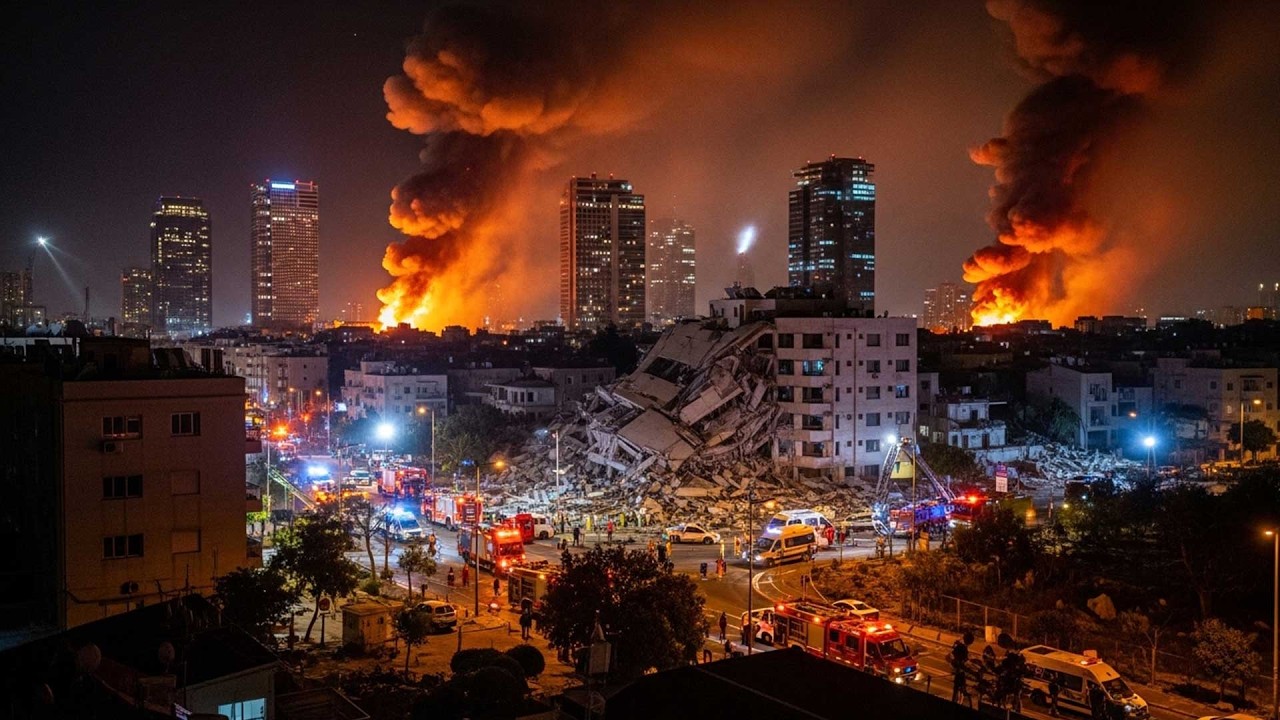
The recent escalation began with a series of coordinated missile strikes targeting strategic locations in Israel.
Reports indicate that these attacks were carried out in multiple waves, with Tel Aviv being one of the primary targets.
The missiles used in these attacks include advanced technology, such as the Khorramshahr-4 and Fattah-2, which have raised alarms regarding their precision and range.
These developments are alarming, as they indicate a significant leap in Iran’s missile capabilities.
The Iron Dome, Israel’s renowned missile defense system, has been put to the test during these attacks.
While it has successfully intercepted many incoming threats, the sheer volume of missiles poses a significant challenge.
The Role of Technology in Modern Warfare
The use of advanced missile technology marks a new chapter in the Iran-Israel conflict.
The Khorramshahr-4, known for its long-range capabilities, represents a significant threat to Israeli security.
Iran’s investment in missile technology reflects its commitment to countering perceived threats from Israel and its allies.
Moreover, the Fattah-2 missile showcases Iran’s growing expertise in developing sophisticated weaponry.
This technological arms race has implications beyond the immediate conflict, as it affects regional stability and international relations.
The Iron Dome: Defending Against the Storm
Israel’s Iron Dome has been a critical component of its defense strategy.
This missile defense system is designed to intercept short-range threats, providing a protective shield over populated areas.
However, the recent barrage of attacks has tested the limits of this technology.
While the Iron Dome has had a high success rate, it is not infallible.
The sheer number of missiles launched in recent attacks has raised concerns about the system’s ability to protect civilians effectively.
As the conflict intensifies, the effectiveness of the Iron Dome will be scrutinized more than ever.

Humanitarian Impact and Ground Realities
The implications of this conflict extend far beyond military engagements.
Civilians in both Iran and Israel are caught in the crossfire, facing the consequences of escalating violence.
In Israel, residents have been forced to seek shelter as sirens blare, warning of incoming missiles.
The psychological toll on civilians is immense, with many living in a state of fear and uncertainty.
In Iran, the government faces pressure to respond to perceived threats from Israel, further complicating the situation.
The humanitarian impact of this conflict cannot be overstated.
The International Response
The role of the international community in addressing the Iran-Israel conflict is crucial.
The United Nations has called for de-escalation and dialogue, urging both parties to seek peaceful resolutions.
However, the effectiveness of these interventions remains questionable.
Many analysts argue that without a concerted effort from major powers, the likelihood of sustained peace is slim.
The geopolitical landscape is shifting, with new alliances forming and old ones being tested.
As tensions rise, the world must grapple with the implications of a potential broader conflict.

Analysts Weigh In: A Limited Escalation?
Despite the alarming developments, many analysts believe the current situation is still in a limited escalation phase.
However, they caution that if left unchecked, the conflict could spiral out of control.
The risk of miscalculation or unintended consequences is ever-present.
As both sides continue to demonstrate military might, the potential for a larger confrontation looms.
The international community must remain vigilant, as the stakes are high.
Conclusion: What Lies Ahead?
As we reflect on the current state of the Iran-Israel conflict, the future remains uncertain.
The potential for escalation is real, and the consequences could be dire.
Both nations must navigate a complex web of alliances and enmities, with global implications.
The world watches closely, hoping for a resolution that prioritizes peace and stability.
In the coming weeks and months, the situation will undoubtedly continue to evolve, and the international community must stay engaged.
What do you think will happen next?
Will the conflict escalate further, or will cooler heads prevail?
Your thoughts are welcome in the comments below.
Let’s discuss the future of the Middle East together.


