$1 MILLION SCANDAL ROCKS BALTIMORE — Luxury SUVs, Skyboxes, and Secret Spending EXPOSED
In a city already burdened by rising costs, strained public services, and growing distrust in government spending, a political firestorm has erupted in Baltimore—one that is sending shockwaves through its neighborhoods, council chambers, and beyond.
At the center of the controversy stands Brandon Scott, whose administration is now under intense scrutiny following explosive allegations that more than $1 million in taxpayer funds were funneled into a pattern of lavish, questionable, and deeply controversial expenditures.
The accusations, first raised by internal audits and later amplified by whistleblowers, paint a picture that critics describe as “a stunning betrayal of public trust.”

Records suggest that city funds—intended for infrastructure, community programs, and essential services—were instead used to finance luxury SUVs, exclusive skybox experiences at major sporting events, high-end parties, and expenses allegedly tied to the mayor’s personal and family lifestyle.
As details continue to surface, residents are asking one burning question: how did this happen, and who allowed it to continue for so long?
According to early findings, a significant portion of the funds was allocated under vague budget categories, making it difficult for oversight bodies to immediately flag irregularities.
These categories, described as “administrative flexibility” and “executive engagement expenses,” became the gateway through which large sums of public money were reportedly redirected.
Documents reviewed by investigators reveal invoices for luxury SUV leases, some costing thousands per month.
These vehicles, sources claim, were not strictly used for official duties but were frequently seen in personal contexts, raising further concerns about misuse.
Residents who struggle daily with transportation issues—crumbling roads, delayed buses, and underfunded transit systems—have expressed outrage at what they see as a glaring double standard.
“I can’t even get a reliable bus to work,” one local resident said.
“And they’re driving around in luxury SUVs on our dime?”
The controversy deepened when reports emerged that funds had also been used for high-profile entertainment expenses.
Among them were skybox rentals at major sporting events, complete with premium catering and exclusive access.
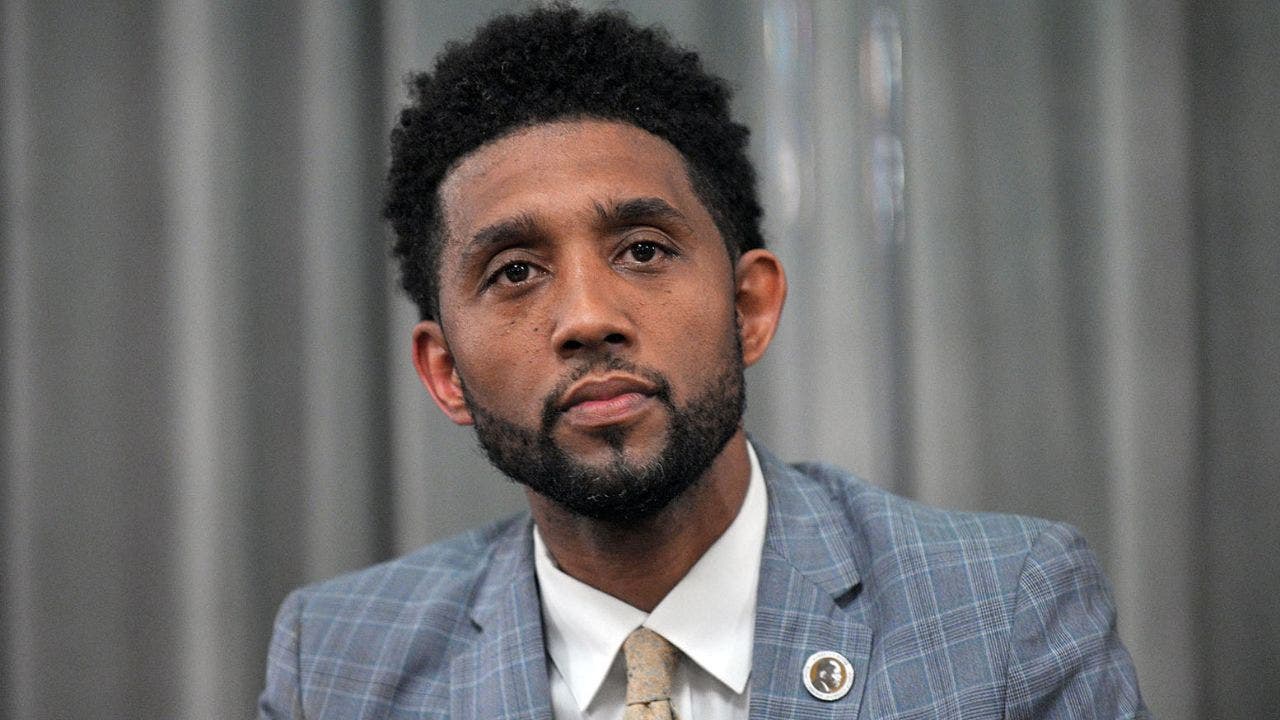
While city officials often attend events to foster partnerships or promote civic engagement, critics argue that these particular expenditures crossed a line.
“These weren’t modest networking events,” said one former city employee familiar with the spending patterns.
“These were luxury experiences that most taxpayers could never dream of affording.”
Adding fuel to the fire are allegations that some expenses were tied directly to the mayor’s spouse.
Financial records reportedly show payments that, while not explicitly labeled as personal, appear to benefit individuals outside the scope of official government functions.
This has raised serious ethical questions about the boundaries between public office and private life.
Legal experts warn that if proven, such actions could violate both state and federal guidelines governing the use of public funds.
“The line is very clear,” one ethics attorney explained.
“Taxpayer money must serve a public purpose.
If it benefits private individuals, even indirectly, that becomes a major legal issue.”
The backlash has been swift and fierce.
Community leaders, activists, and even some members of the city council have called for a full-scale independent investigation.
Public hearings are being discussed, and there are growing demands for complete transparency in how city funds have been allocated over the past several years.
Social media has exploded with anger, with hashtags demanding accountability trending across multiple platforms.
Citizens are sharing their frustrations, pointing to underfunded schools, struggling healthcare facilities, and neighborhoods in desperate need of investment.
“How can they justify this?” one post read.
“We’re fighting for basic resources while they’re throwing parties with our money.”
The administration, however, has pushed back against the allegations.
In an official statement, representatives for Mayor Scott insisted that all expenditures were within legal boundaries and aligned with the responsibilities of the office.
They argue that certain costs—such as transportation and event attendance—are necessary for maintaining the city’s visibility, attracting investment, and building relationships.
“These claims are being taken out of context,” the statement read.
“The mayor’s office operates within established guidelines, and all spending is subject to review.”
But critics are not convinced.
They point out that legality does not always equal accountability, and that even if the spending technically falls within allowable categories, it may still represent a profound misuse of public trust.
“This isn’t just about what’s legal,” said one city council member.

“It’s about what’s right.”
The timing of the scandal has only intensified its impact.
Baltimore is currently facing significant economic challenges, with rising costs of living, public safety concerns, and ongoing debates about budget priorities.
In such a climate, revelations of extravagant spending by city leadership are particularly explosive.
Experts note that scandals involving public funds often have long-lasting effects on public confidence.
“When people lose trust in how their money is being managed, it’s incredibly difficult to rebuild that trust,” said a political analyst.
“It can affect voter turnout, civic engagement, and overall faith in government insтιтutions.”
As the investigation unfolds, more details are expected to emerge.
Auditors are reportedly combing through years of financial records, looking for patterns, inconsistencies, and any evidence of deliberate misconduct.
Whistleblowers have hinted that what has been revealed so far may only be the tip of the iceberg.
“There’s a lot more,” one source claimed.
“This goes deeper than people realize.”
Meanwhile, calls for accountability are growing louder.
Some activists are demanding resignations, while others are pushing for systemic reforms to prevent similar situations in the future.
Proposals include stricter oversight mechanisms, clearer definitions of allowable expenses, and enhanced transparency measures that would allow the public to track government spending in real time.
The political ramifications could be significant.
Scandals of this magnitude often reshape careers, influence elections, and alter the balance of power within local governments.
For Mayor Scott, the coming weeks may prove निर्णติve as pressure mounts from all sides.
Supporters argue that he has made meaningful contributions to the city and deserves due process before any conclusions are drawn.
Critics, however, insist that the allegations themselves are serious enough to warrant immediate consequences.
As Baltimore watches closely, the story continues to evolve.
Each new revelation adds another layer to an already complex and deeply troubling narrative.
For many residents, this is not just about one individual or one administration.
It is about the broader question of how power is used—and whether those entrusted with it are truly serving the public good.
The stakes could not be higher.
At its core, this controversy strikes at the very heart of democratic governance.
It raises fundamental questions about accountability, transparency, and the responsibilities of those in positions of authority.
And as the investigation presses forward, one thing is certain: the eyes of Baltimore—and perhaps the nation—are now firmly fixed on what happens next.
The truth, whatever it may be, is coming.
And when it does, it could change everything.


