In the frozen villages of imperial Russia, a remarkable story unfolds—a tale that transcends the boundaries of belief and challenges our understanding of perception.
In 1881, a child named Matrona Dimitrievna Nikonova was born into a world that offered her little hope.
She was born without eyes—completely absent, not damaged or clouded.
Doctors dismissed her future as bleak, and whispers of her being a burden or even cursed circulated among her neighbors.
In a land already burdened by poverty and despair, her fate seemed sealed before it even began.

However, what transpired next would defy all expectations and ignite a spark of wonder in the hearts of those around her.
Before she could even walk, Matrona began to exhibit extraordinary abilities.
She described events she had never witnessed, recognized people she had never met, and revealed hidden truths that others had kept buried deep within their souls.
In a world ruled by cold and fear, word spread quietly among the villagers: the blind girl could see.
This revelation raised profound questions.
How does a child born without eyes possess such remarkable insight?
Is it the sharpening of unseen senses, or could it be that sight itself is not limited to the physical eyes?
This story of Matrona invites us to explore the nature of faith, perception, and the mysteries that lie beyond our understanding.
The Early Years
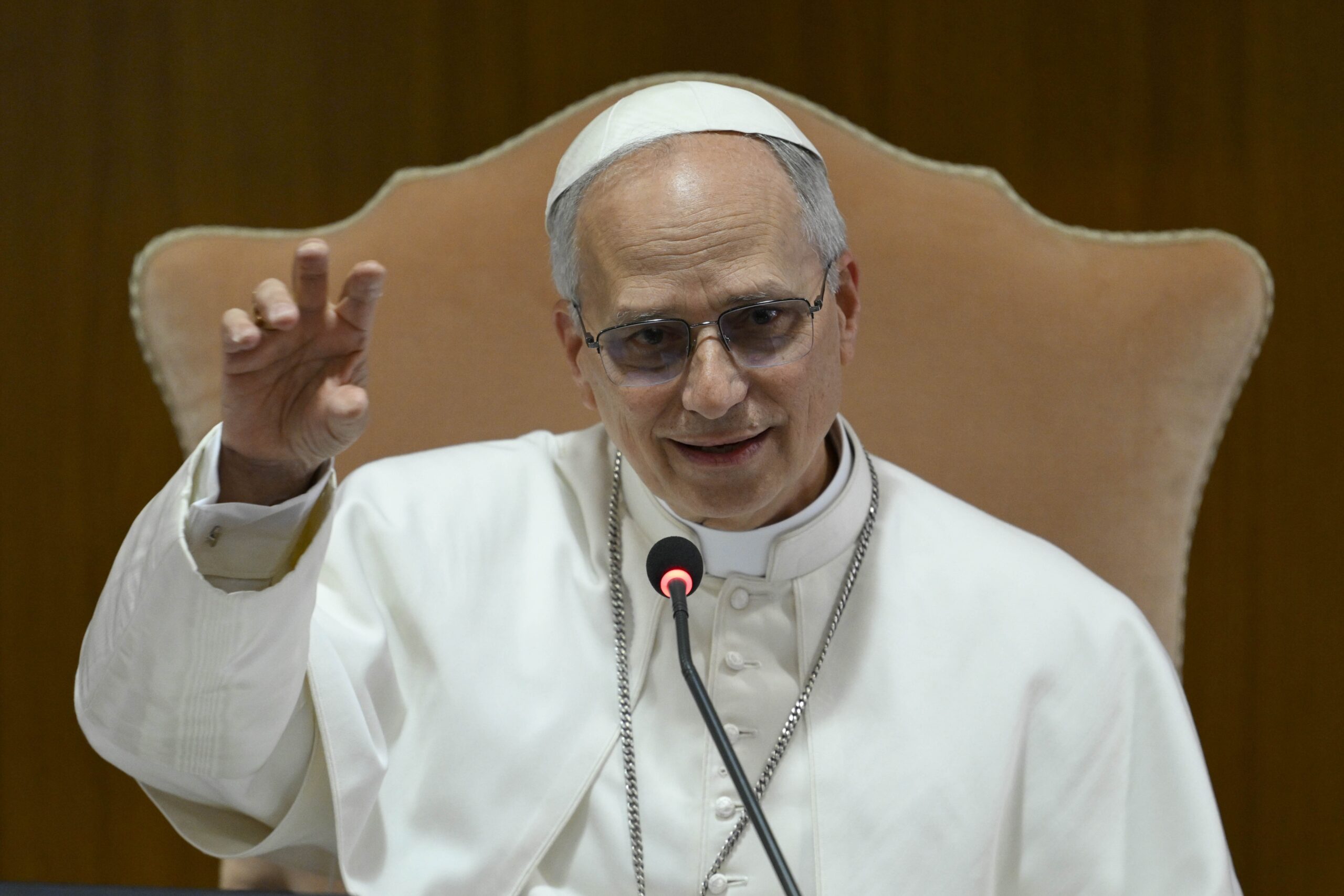
Matrona’s early years were shrouded in uncertainty.
Her parents, overwhelmed by the stigma of having a blind child, struggled to provide for her.
Neighbors often cast sidelong glances, whispering about the girl who defied the odds.
Yet, amidst this adversity, Matrona’s gifts began to emerge.
She would often speak of things that were happening miles away, recounting events with astonishing accuracy.
Her family, initially skeptical, soon found themselves drawn into the inexplicable world that surrounded their daughter.
As she grew, Matrona became a beacon of hope for her community.
People traveled from far and wide, seeking her guidance and insight.
They came with their burdens, their secrets, and their fears, hoping that this blind girl could illuminate the darkness in their lives.
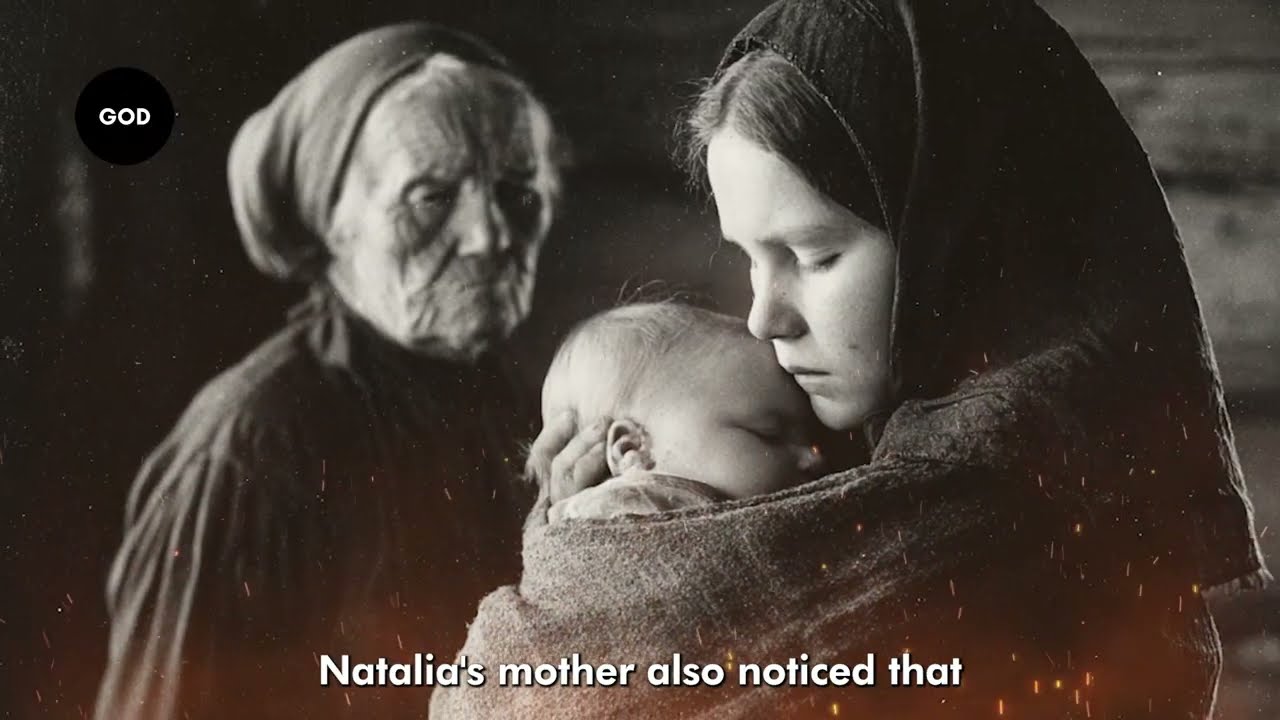
The Miracle of Sight
Matrona’s ability to see beyond the physical world raised eyebrows and sparked debates.
Was she truly seeing, or was it merely intuition?
Many dismissed her as a fraud, while others claimed she was a prophet.
Yet, those who experienced her gifts firsthand could not deny the profound impact she had on their lives.
She would reveal hidden truths, exposing the sins that weighed heavily on the hearts of those who sought her counsel.
Her predictions were often eerily accurate, leading some to believe that she possessed a divine connection.
As stories of her abilities spread, so did her reputation.
Matrona became known as “The Blind Saint,” a тιтle that both honored her gifts and highlighted the paradox of her existence.
Faith and Perception
Matrona’s life challenges our conventional understanding of faith and perception.
In a society that often equates sight with knowledge, her story prompts us to reconsider how we define vision.
What if sight is not merely a function of the eyes, but rather a deeper understanding of the world around us?
Matrona’s experiences suggest that there is more to perception than meets the eye.
She teaches us that true sight may involve an intuitive grasp of the unseen, a connection to something greater than ourselves.
This idea resonates deeply with those who have faced their own struggles with faith.
Matrona’s journey encourages us to explore our beliefs and question the limitations we impose on ourselves.
The Community’s Response
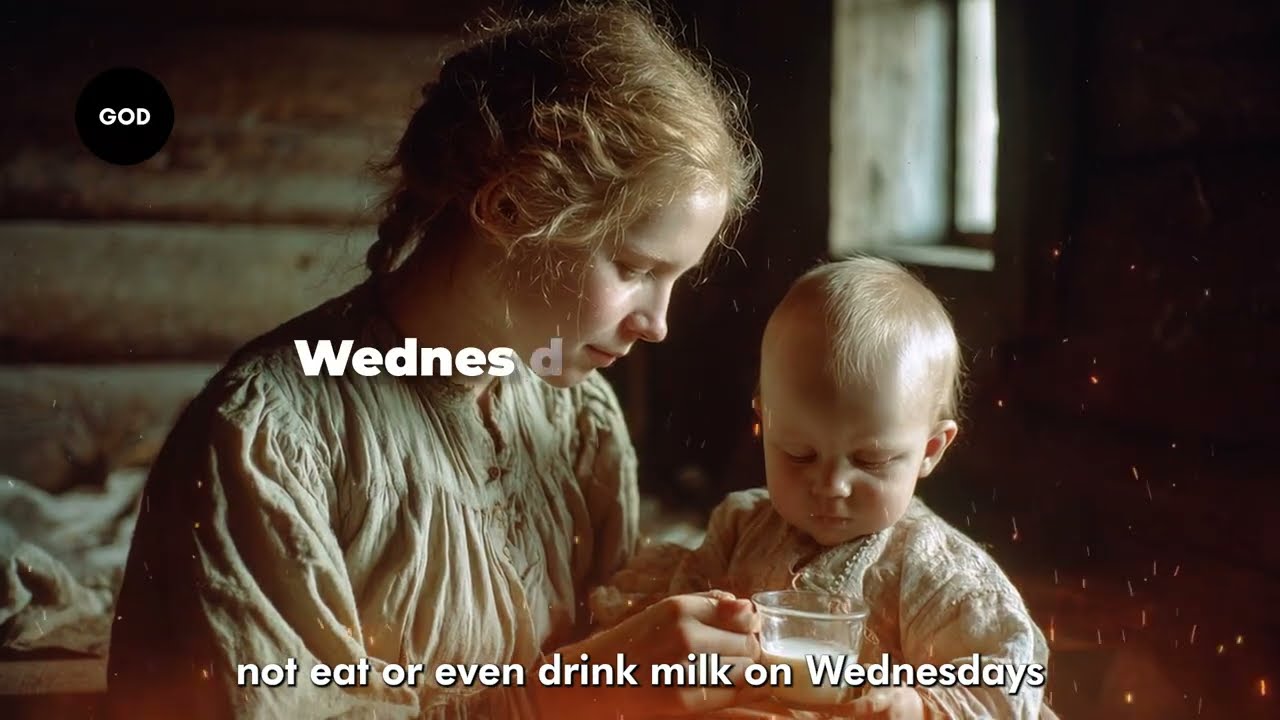
As Matrona’s fame grew, so did the responses from her community.
Some embraced her as a miracle worker, while others remained skeptical.
This division led to lively discussions about faith, spirituality, and the nature of miracles.
People began to gather in her presence, sharing their stories and seeking solace in her words.
Matrona became a source of comfort, a living testament to the power of belief.
Her ability to connect with others on a profound level fostered a sense of community among those who sought her guidance.
In a time of hardship, she became a symbol of hope, demonstrating that even in the darkest of circumstances, light can emerge.
The Legacy of Matrona
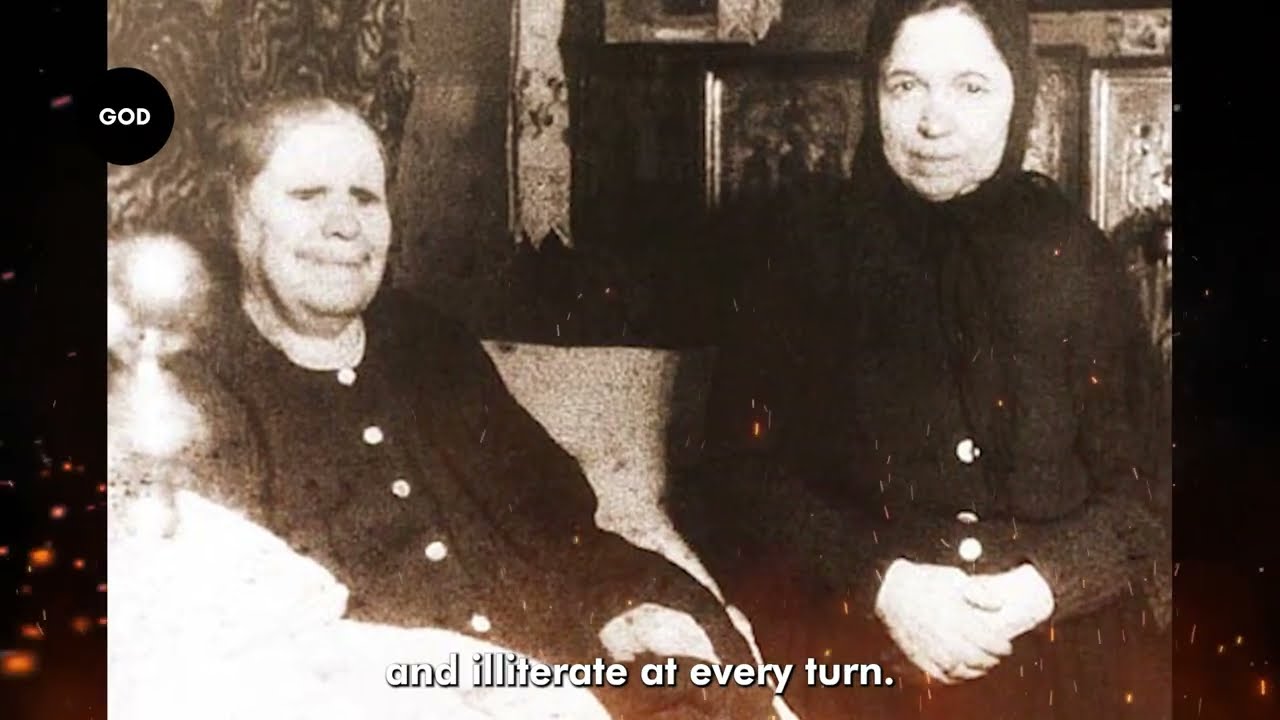
Matrona’s life and legacy continue to inspire those who hear her story.
Her existence challenges us to rethink our understanding of disability and ability.
In a world that often overlooks the marginalized, Matrona stands as a reminder that everyone possesses unique gifts, regardless of their physical limitations.
Her story encourages us to embrace our differences and recognize the potential for greatness within us all.
Matrona’s journey invites us to explore the depths of our own faith and the ways in which we perceive the world.
As we reflect on her life, we are reminded of the power of belief and the importance of seeing beyond the surface.
Conclusion
The story of Matrona Dimitrievna Nikonova is one of hope, resilience, and the profound mysteries of existence.
In a world that often prioritizes the tangible and the visible, her life serves as a powerful reminder that true sight goes beyond what we can see with our eyes.
Matrona’s legacy challenges us to explore the depths of our faith and the nature of our perceptions.
As we navigate our own journeys, may we find inspiration in her story—a story that transcends time and continues to resonate with those who seek to understand the unseen.
In a world filled with uncertainty, Matrona’s message remains clear: there is more to life than what meets the eye, and sometimes, the greatest insights come from the most unexpected places.


