The Eucharist is the source and summit of the Christian life—a truth proclaimed by the Church for centuries, yet often lost in the routine of weekly Mᴀss. What truly takes place in those brief seconds when the priest lifts the sacred host before your eyes? That moment is not empty. It is where heaven and earth meet, where the altar becomes Calvary, and where eternity touches time.
This is not a metaphor. It is not poetry. It is the living Christ—whole and entire—body, blood, soul, and divinity. When the Lord said, “This is my body,” He did not speak in symbolism. When He said, “This is my blood,” He did not speak in metaphor. The Gospel of John records these words with increasing severity, and when many disciples walked away because the teaching was hard, Christ did not call them back to soften the meaning. Truth was more important than comfort.

From the earliest centuries, the Church bowed before this mystery. Saints and martyrs testified to the real presence of Christ in the Eucharist. Ignatius of Antioch called it the medicine of immortality. Augustine warned that no one eats this flesh without first adoring. Thomas Aquinas taught that sight and touch deceive, but faith rests on the word of Christ. This is not medieval imagination—it is apostolic faith, guarded through centuries of persecution and confusion.
The altar before you is not ordinary wood or stone. It is Calvary made present without repeтιтion and without dilution. The sacrifice of Christ, offered once on the cross, is made present sacramentally for the salvation of souls. The priest stands not as a performer but as a servant bound to sacred words he does not own. And you stand not as spectators but as participants drawn into the saving act of God.
This is why heaven is silent in that moment. This is why angels adore and saints tremble. This is why the Church commands reverence. Yet, how often do our eyes wander? How often do our minds drift? How often do our hearts remain cluttered with worries that will not survive the grave? The danger is not ignorance alone—it is familiarity without awe.
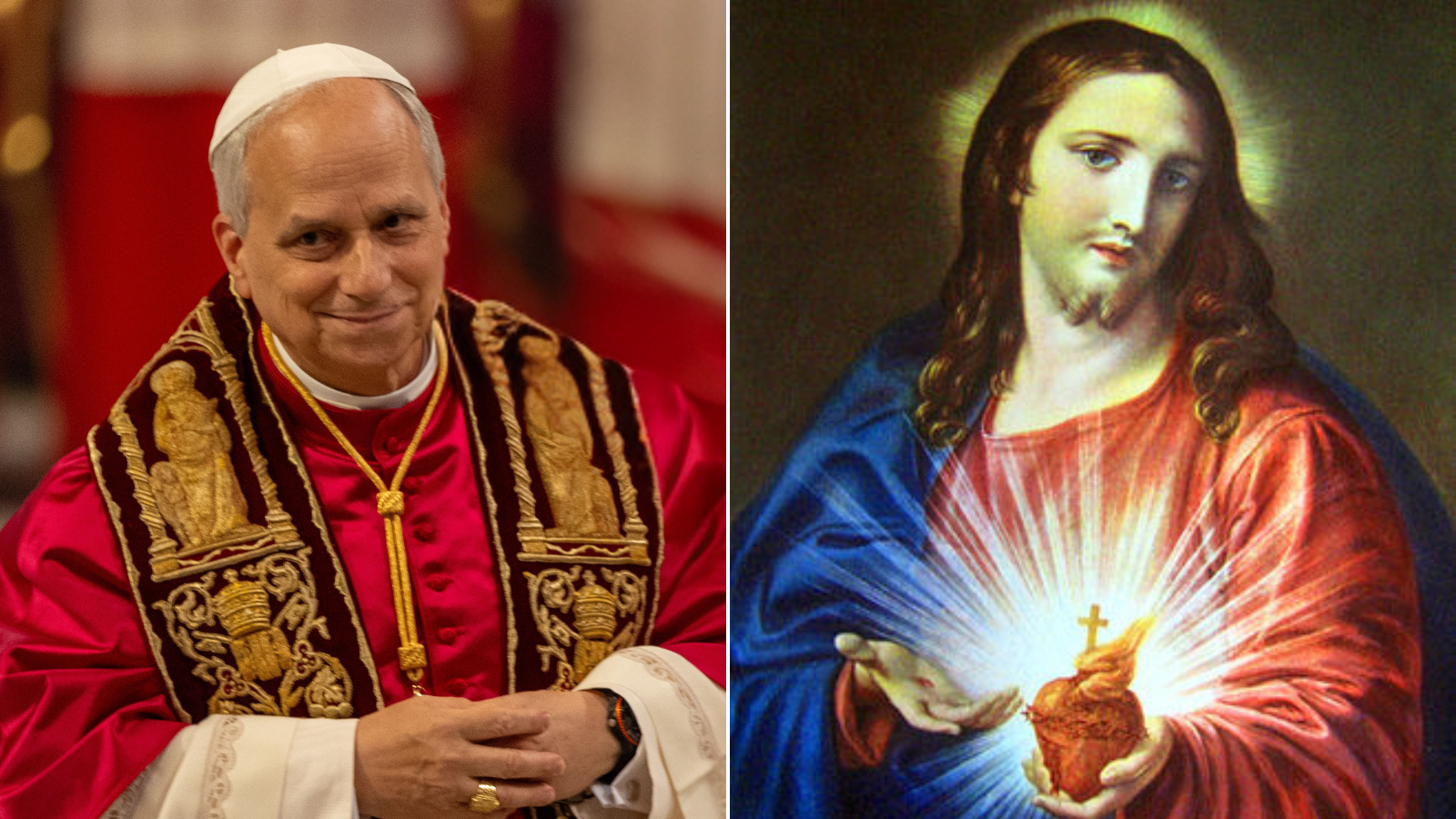
Silence is not emptiness. Silence is recognition. In those brief seconds, eternity presses against your soul. The same Christ who healed the blind, forgave the adulterer, and was pierced for our sins now stands before you veiled in bread. He offers Himself without force, without defense, waiting for your response.
Faith does not always roar. Sometimes, faith whispers. And so, when the sacred host is raised, let there be one clear act of faith. Whisper this prayer in the silence of your heart: Lord Jesus, increase my faith. These words echo the cry of the father in the Gospel of Mark who said, I believe. Help my unbelief. It is a prayer heard by heaven because it is honest. It is not a demand. It is not a bargain. It is surrender.
If your heart struggles, whisper another form: Lord, I believe. Remain with me. These words are small, but Christ once said that faith the size of a mustard seed can move mountains. When many hearts whisper the same prayer, the Church becomes visibly one—not by emotion or noise, but by shared dependence on the mercy of God.
The Church has always guarded this moment with bells, bent knees, and sacred silence—not to impress the senses, but to protect the soul from forgetting where it stands. The danger is not rebellion but distraction. The manna in the desert became ordinary to those who ate it daily. They murmured. St. Paul warned the Corinthians that those who receive unworthily eat and drink judgment upon themselves. These are not gentle words—they are words of love that refuse to lie.
Look again at the host when it is raised. Do not look through it or past it. Do not reduce it to routine. Look with the eyes of faith taught by the Church and sealed by martyrs. He is there—not because you feel it, not because you deserve it, but because He promised.
The moment of elevation does not end when the host is lowered. It exposes what lives within the soul. Three movements unfold in the heart: adoration, offering, and peтιтion. These are not optional gestures—they are the necessary response of a living faith.
Adoration begins with silence and recognition. It is not simply bending the knee but bending the heart. It is the consent of the will to bow before truth. Many have learned to imitate reverence outwardly while remaining distracted inwardly. True adoration costs something—it costs control, pride, and the illusion that God exists to serve our preferences.
Offering is the second movement. What is lifted on the altar is a total gift. Christ holds nothing back, giving Himself entirely for us. In response, we are invited to offer ourselves entirely to Him. This includes our weaknesses, fears, failures, and burdens. Too often, we approach the altar as consumers rather than participants, expecting consolation without surrender. But true offering feels like loss before it becomes life.
Peтιтion is the third movement. It is the cry of a child who knows where help is found. The blind man on the road did not ask for explanations—he asked for sight. Peтιтion is not a shopping list but a plea for grace, healing, and peace. Every true peтιтion ends with surrender, echoing Christ’s prayer in Gethsemane: Not my will, but Yours be done.
-2025060404194131.png)
These movements—adoration, offering, and peтιтion—reveal the condition of the Church within a nation. Many who call themselves faithful have grown cold. The language of faith remains, but the fire has dimmed. The Eucharist is approached casually. Silence is feared. Confession is postponed. Families fracture while the altar is ignored. Faith is treated as a convenience rather than a command.
This is not persecution from outside—it is erosion from within. Scripture warns that salt which loses its taste is thrown out. Comfort has replaced conversion. Entertainment has replaced worship. The sense of sin has faded, and with it, the hunger for mercy. The altar has not changed—the hearts approaching it have.
The Eucharist demands a response that reshapes life. The tragedy is not that faith is difficult—it is that faith is treated lightly. The raised host is not sentimental—it is an invitation and a judgment. Those who adore are healed. Those who offer are transformed. Those who peтιтion with surrender are renewed.
Do not blame the times. Renewal begins in the hearts of those willing to be changed. Stand before the Eucharist and be honest. Name what has grown cold. Name what has been compromised. Christ already knows. He waits not to accuse but to heal.
.png)
For 14 days, approach the Eucharist with deliberate preparation. Enter silence at the elevation. Live the three movements. Adore with honesty. Offer without conditions. Peтιтion with surrender. Do not measure results—trust the work of grace. Over time, something shifts. The Mᴀss ceases to feel like obligation. It becomes encounter. The Eucharist no longer ends at dismissal—it extends into your life.
This is the purpose of the sacrament. The bread broken at the altar must become bread broken for others. Faith that remains enclosed decays. Faith that is lived becomes light. The Church has been renewed many times—not by strategy, but by saints who took the Eucharist seriously. The same renewal remains possible now.
Let silence reclaim its place. Let reverence be restored. Let the heart learn again to bow. The Church does not need novelty—she needs fidelity. May the Lord who gives Himself without reserve awaken what has grown cold. May He heal families, restore consciences, and renew the hunger for holiness. May the body given for you shape your life into a living offering.


