The Private Life and Contested Legacy of Sherman Hemsley
Sherman Hemsley spent decades in the spotlight, but he guarded his private life with extraordinary care. Best known as the sharp-tongued, strutting George Jefferson on All in the Family and its groundbreaking spinoff The Jeffersons, Hemsley became one of the most recognizable faces in American television. Yet when he died in 2012, the final chapter of his life revealed just how much he had kept hidden.
Born on February 1, 1938, in South Philadelphia, Hemsley grew up in a working-class neighborhood shaped by hardship. Raised primarily by his mother, who worked long hours in a factory, he learned early how to navigate life with resilience and wit.
Humor became his armor. Even as a child, he could command attention with a joke, a gesture, or a perfectly timed look.

After dropping out of high school, he enlisted in the United States Air Force and spent four years stationed in Asia. The military gave him structure, but performance remained his pᴀssion.
When he returned home in 1959, he took a job at the post office by day and studied acting at night. For years, he lived this double life—sorting mail to survive while chasing an unlikely dream on small stages.
His breakthrough came in 1970 when he joined the Broadway musical Purlie. His performance caught the attention of television producer Norman Lear, who was developing a new character named George Jefferson for All in the Family. In a rare show of faith, Lear promised to hold the role for Hemsley until his Broadway run ended. When Hemsley finally stepped onto television screens in 1973, he transformed George Jefferson into an icon.

By 1975, The Jeffersons premiered, chronicling George and Louise’s move from Queens to a luxury Manhattan high-rise.
The show ran for 11 seasons and 253 episodes, becoming one of the longest-running sitcoms with a predominantly Black cast. George Jefferson was loud, ambitious, and unapologetic—but audiences also saw his loyalty and love beneath the bluster.
Hemsley earned award nominations and widespread acclaim, helping redefine what success looked like for Black actors in prime time.
Yet success did not guarantee financial security.
In the late 1980s, Hemsley invested heavily in a film project тιтled Ghost Fever. The movie flopped critically and commercially, costing him a significant portion of his wealth.
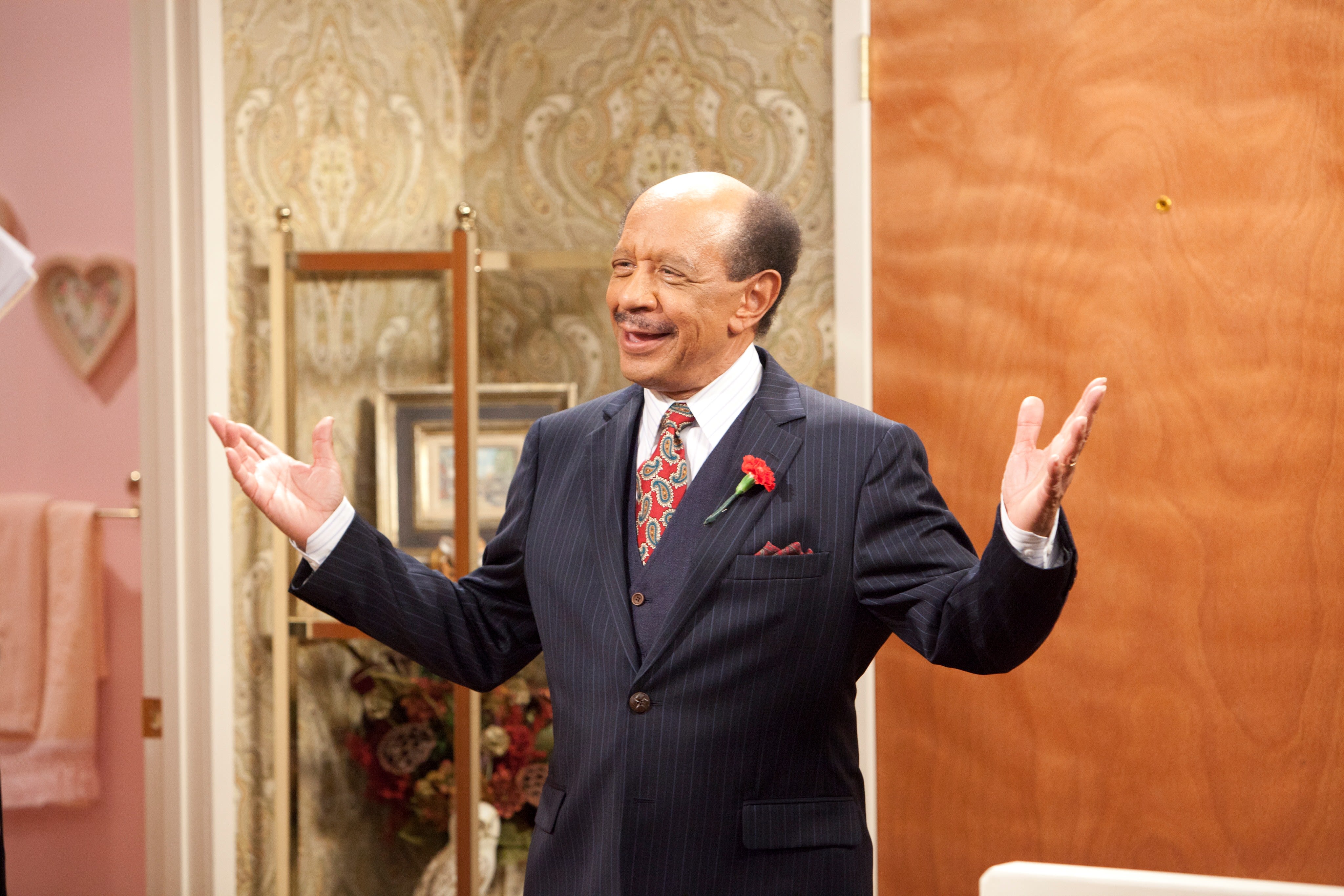
Over time, mounting debts forced him to file for Chapter 13 bankruptcy in 1999. In a painful move, he sold the rights to his sitcom residuals—future earnings from reruns that many actors rely on for long-term stability.
As Hollywood attention faded, Hemsley quietly relocated to El Paso, Texas. There, he lived far from the glamour once ᴀssociated with his name. He devoted himself to music, particularly jazz and progressive rock, and often called local radio stations to discuss his favorite artists. Friends described a quieter man—private, reflective, and deeply pᴀssionate about creativity.
For years, rumors about his Sєxuality circulated but were never confirmed publicly during his lifetime.
After his death, actor Damon Evans revealed that Hemsley had been gay and had maintained long-term relationships while carefully shielding that part of his life from public scrutiny. In an era less accepting than today, such privacy may have felt necessary for survival in the entertainment industry.
When Hemsley died on July 24, 2012, at age 74 from complications related to lung cancer, it seemed his story had come to a quiet close. But the real shock was still to come.
Six weeks before his death, Hemsley signed a will leaving his entire estate—estimated at around $50,000—to his longtime manager and close friend, Flora Enenton. She was named the sole beneficiary.
Witnesses and his attorney stated that he was mentally competent and clear in his wishes when he signed the document.
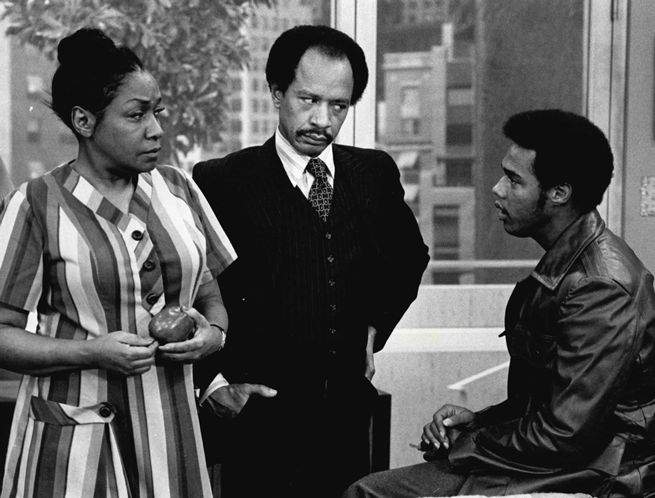
Then a man named Richard Thornton emerged, claiming to be Hemsley’s half-brother.
A DNA test reportedly confirmed a 99.99% match. Thornton challenged the will, arguing that Hemsley lacked the mental capacity to make such decisions so close to his death.
The dispute halted funeral plans. For nearly four months, Hemsley’s body remained in refrigeration at a Texas funeral home while the court deliberated. The delay stunned fans who had grown up watching him bring laughter into their homes.
In November 2012, a judge ruled the will valid, affirming that Hemsley had acted knowingly and voluntarily. Enenton was granted control of the estate, and his wish for a military burial was finally honored at Fort Bliss National Cemetery.
In the end, the man who played one of television’s most outspoken characters left behind a legacy defined by privacy and independence.
He trusted one person with everything he had left.
Whether that decision surprised others did not matter in the courtroom—it was his to make.
Sherman Hemsley made America laugh for decades. But in death, he reminded everyone that even the most public figures carry private battles, hidden loves, and final choices that belong to them alone.


