The Resurrection Reimagined: Mel Gibson’s Vision of the Three Silent Days
It was Friday, near the ninth hour. The sky above Golgotha appeared calm, yet the air felt unnaturally heavy. Jesus of Nazareth hung lifeless upon the cross. With His final words — “Father, into Your hands I commit My spirit” — something more than a life ended. According to the Gospels, the earth trembled, rocks split, and the temple veil tore from top to bottom.
For most believers, the story moves quickly from crucifixion to resurrection. Sunday arrives. The tomb is empty. Christ is risen.
But what of Saturday?

Mel Gibson, reflecting on his long-anticipated sequel to The Pᴀssion of the Christ, has described the resurrection as “a cosmic earthquake.” He has hinted that his vision extends beyond the image of Christ stepping out of a tomb. Instead, he seeks to explore the unseen dimension — the spiritual rupture between death and glory.
To shape this vision, Gibson has drawn not only from Scripture but also from the reported mystical visions of Blessed Anne Catherine Emmerich, the 19th-century German nun whose writings influenced The Pᴀssion. While her revelations are considered private devotion rather than doctrine, they offer vivid imagery of those silent hours.

As dusk approached on Friday, Joseph of Arimathea and Nicodemus, secret followers of Jesus, requested His body from Pontius Pilate. They lowered Him from the cross and prepared Him for burial.
The Gospels describe linen cloths and spices. Emmerich’s visions add emotional texture — Mary standing firm in grief, John ᴀssisting quietly, perfumed oils filling the air like an act of final worship. The tomb, newly cut from rock, was sealed with a great stone. Roman guards stood watch.
To the world, the story appeared finished.
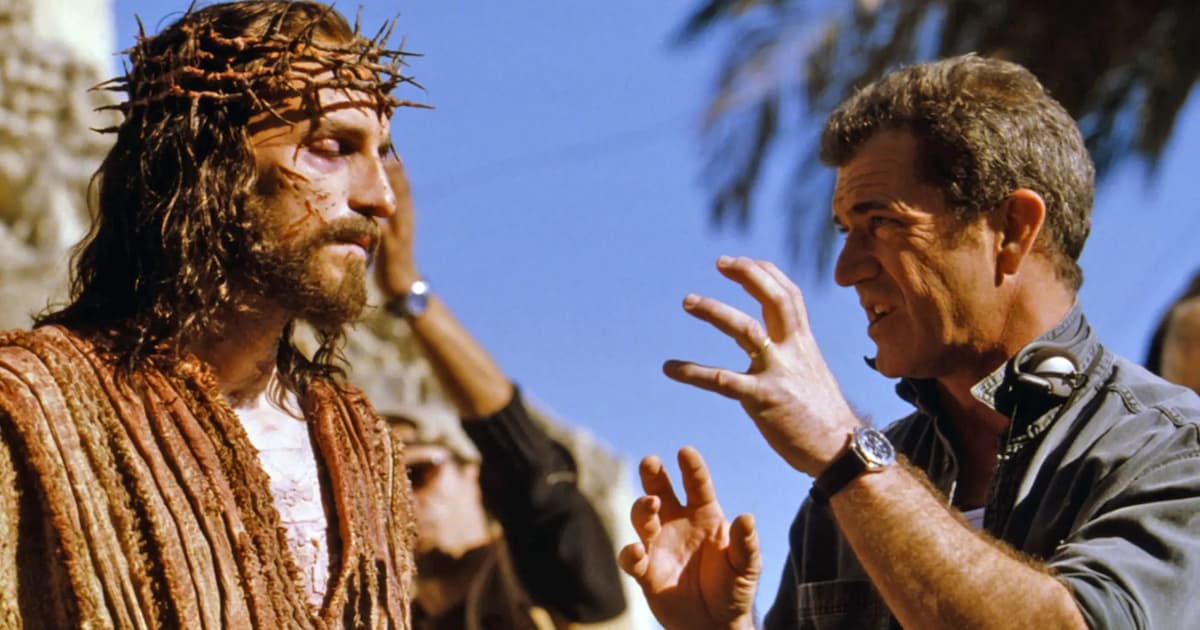
Yet Christian tradition holds that Christ’s mission did not pause in death.
The Apostles’ Creed declares, “He descended into hell.” The phrase has long puzzled modern readers. In early Christian understanding, it refers not to the place of eternal damnation but to Sheol or Hades — the realm of the ᴅᴇᴀᴅ, where souls awaited redemption.
The First Letter of Peter speaks of Christ preaching “to the spirits in prison.” Across centuries, theologians interpreted this as the “Harrowing of Hell” — the moment Christ entered death itself to proclaim victory.

In Emmerich’s mystical imagery, this descent unfolds like a royal invasion of darkness. The righteous of old — Adam, Eve, Abraham, Moses, David — awaken as light pierces shadow. The chains of despair loosen. Hope, long deferred, finds fulfillment.
The imagery is dramatic: no clashing swords, no chaos — only authority. Darkness dissolves not by force, but by presence.
While such visions remain devotional rather than scriptural, the theological message echoes orthodox belief: Christ’s death was not defeat. It was confrontation. And victory began before the stone ever rolled away.
Before dawn on Sunday, something shifted.
The Gospels recount an earthquake and an angel descending to roll back the stone. Guards fell as though ᴅᴇᴀᴅ. The tomb was opened not to let Christ out — but to reveal He was already gone.
Emmerich describes radiant light filling the tomb, Christ rising in glory, wounds transformed into signs of triumph. The linen cloths lay folded — a detail recorded in John’s Gospel that has fascinated believers for centuries.
Mary Magdalene arrived first, weeping. Mistaking Jesus for a gardener, she did not recognize Him until He spoke her name: “Mary.” That single word changed history.
Soon Peter and John ran to the tomb. Fear turned to wonder. Confusion yielded to belief.

The resurrection was not spectacle. It was revelation — intimate, personal, world-altering.
According to the Gospels and Acts, the risen Christ appeared for forty days. He walked with disciples on the road to Emmaus. He stood in locked rooms and spoke peace over fear. He invited Thomas to touch His wounds. He ate with them, proving He was no apparition.
These encounters were not merely proofs of life; they were restoration.
Peter, who had denied Him, was reaffirmed. Thomas, who doubted, believed. The frightened became fearless.
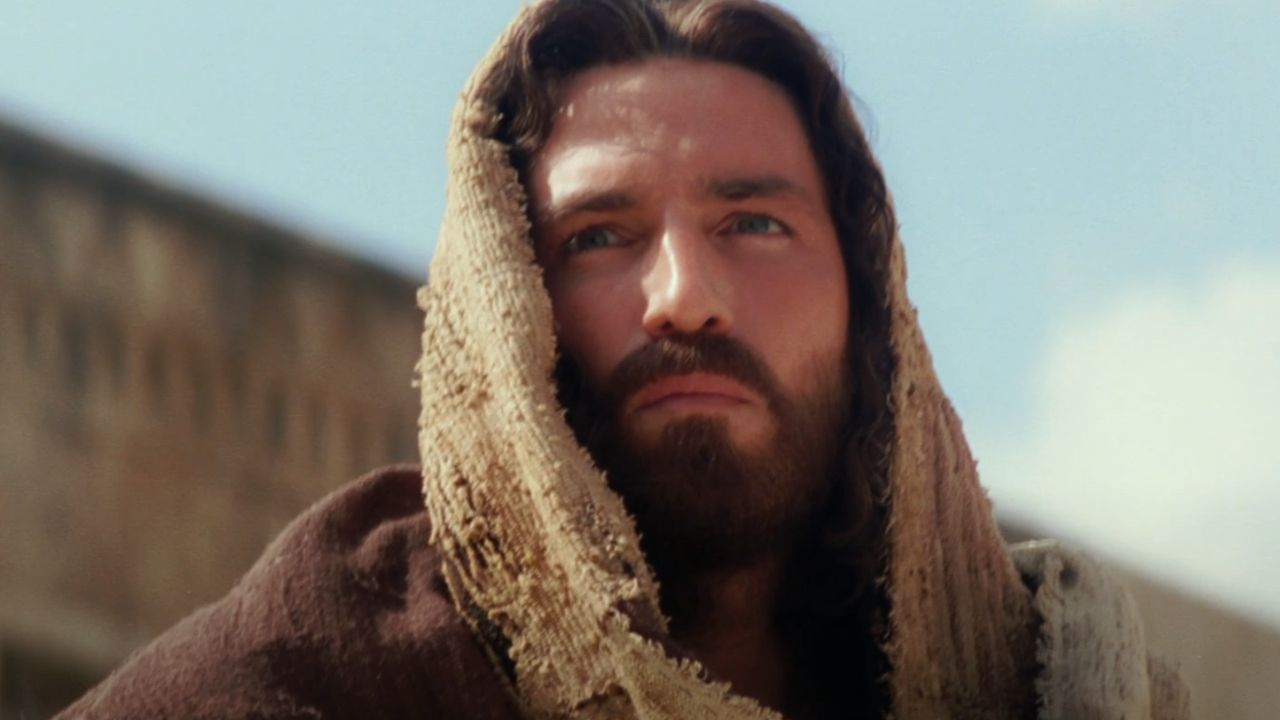
Then came the ascension — Christ rising before His followers, promising, “I am with you always.” Ten days later, at Pentecost, the Holy Spirit descended. The resurrection’s power moved from event to movement. Three thousand believed in a single day.
Christianity was no longer a mourning circle around a crucified teacher. It was a proclamation: death had been conquered.
Gibson’s reported ambition for The Resurrection is to capture this unseen dimension — the spiritual magnitude behind familiar verses. If The Pᴀssion focused on suffering, the sequel aims to illuminate triumph not just on earth, but across eternity.

The resurrection, in Christian theology, is not a symbolic metaphor. It is the axis upon which history turns. Time itself is measured around it. Hope is anchored in it.
The silence of Saturday reminds believers that God often works in hidden places. The stone reminds us that barriers are temporary.
The empty tomb declares that despair is not final.

Whether approached through Scripture alone or enriched by centuries of artistic and mystical imagination, the resurrection story continues to ignite hearts and minds.
It is not simply about one man returning to life.
It is about life itself being rewritten.


