Alice Fredenham After Britain’s Got Talent: A Voice That Chose Silence Over Stardom
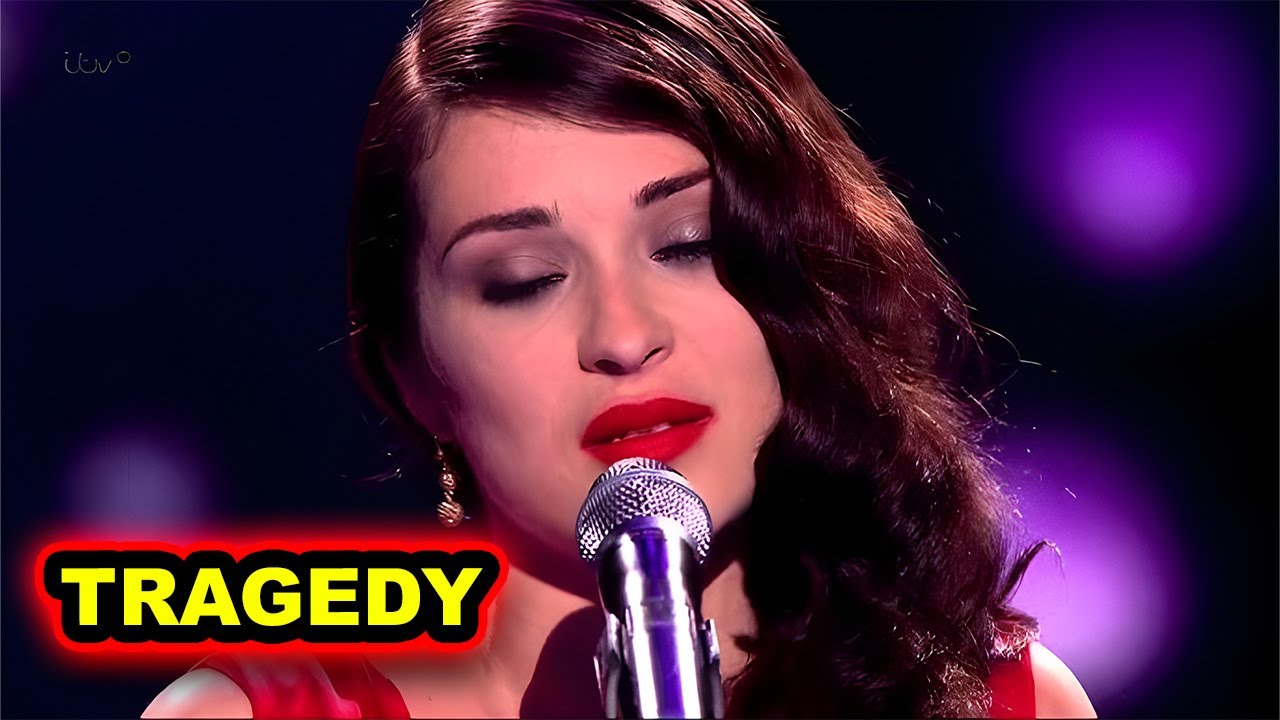
When Alice Fredenham walked onto the Britain’s Got Talent stage in 2013, few expected what would happen next. A softly spoken beauty therapist from Harpenden, she seemed almost overwhelmed by the moment. But when she began singing My Funny Valentine, the room fell into stunned silence.
Within hours, the audition went viral.
Simon Cowell described her voice as “like liquid gold.” Amanda Holden appeared visibly moved. Online, viewers replayed the performance again and again. It became one of the most revisited auditions in the show’s history.

Yet despite the explosive beginning, Alice’s journey did not follow the usual trajectory of instant fame and relentless publicity.
Alice advanced through the early rounds of BGT and was frequently mentioned as one of the season’s standout vocalists. Her style — vintage jazz, controlled phrasing, understated elegance — contrasted sharply with the high-energy pop performances typical of talent shows.
In the semifinals, she performed Cry Me a River, delivering a poised and technically refined performance. But when results were announced, she did not advance to the final. She reportedly placed fourth in the public vote that night — painfully close, but not enough.
For many contestants, elimination marks the end of visibility. For Alice, it marked the beginning of something quieter.

Her audition remained iconic. But instead of chasing headlines, she stepped back.
In 2015, rather than signing a major label deal or launching an aggressive media campaign, Alice turned to crowdfunding. She launched a Kickstarter campaign to finance her debut studio album.
The response was telling. Fans who had been moved by her audition supported the project directly. It wasn’t driven by hype or chart ambition — it was built on loyalty and appreciation.
The album, Under the Covers, was recorded at Real World Studios in the UK and featured respected musician Theo Travis. True to her style, the record consisted entirely of classic cover songs, leaning into jazz, soul, and nostalgic arrangements.

It wasn’t designed for mainstream radio success. It was crafted to preserve her voice in the style audiences first fell in love with.
Alice described the album as a “thank you” to those who believed in her.
Released in 2017, Under the Covers quietly entered streaming platforms such as Apple Music and Amazon. It did not climb major charts, but it remained available — discoverable by anyone who searched her name.
After the album release, Alice’s public appearances became increasingly rare.
She did not pursue reality television spin-offs.
She did not flood social media with updates.
She did not attempt a commercial reinvention.
Instead, her presence remained minimal and understated.
In 2024, a 180-gram LP vinyl edition of Under the Covers appeared in physical distribution listings — a format typically aimed at collectors and devoted analog enthusiasts. There was no major promotional push accompanying the release, but it confirmed that her work continued to exist in circulation.

As of early 2026, the clearest public records of Alice Fredenham’s career remain:
-
Her 2013 Britain’s Got Talent audition
-
The 2017 release of Under the Covers
-
The 2024 vinyl LP edition
Beyond that, no new official releases or major media appearances have been documented.

Part of the fascination with Alice’s story lies in her beginnings.
Before television fame, she worked as a beauty therapist in Harpenden, Hertfordshire. She had no major performing background, no elite conservatory training, and no visible connection to the entertainment industry.
She reportedly loved classic jazz standards long before stepping onto a televised stage. Songs like My Funny Valentine and The Lady Is a Tramp reflected personal taste rather than strategic showmanship.
In fact, before BGT, she auditioned for The Voice UK in 2012. None of the judges turned their chairs. The audition was not broadcast, and for months afterward, she considered abandoning the idea of performing publicly again.

She later admitted she was “almost shattered” by the experience.
Yet she tried again — this time on a different stage.
That resilience, more than fame, defines her story.
In a private exchange reportedly shared with distribution representatives, Alice once said, “I never thought I was suited for fame.”
That sentence may explain everything.

Some artists chase visibility. Others value the art itself more than the machinery around it. Alice appears to belong to the latter category.
There has been no scandal. No public breakdown. No dramatic farewell. She simply reduced her presence and returned to a quieter rhythm.
Whether she continues singing privately, performing locally, or simply keeping music as a personal refuge is unknown. What is clear is that she chose control over chaos.
More than a decade later, her BGT audition still circulates online, frequently included in compilations of the show’s most unforgettable performances.

She did not win the compeтιтion.
She did not dominate the charts.
She did not transform into a global pop figure.
But she left behind something arguably rarer — a single, flawless moment that continues to resonate.
Sometimes, one performance is enough.
And sometimes, stepping away is a choice, not a disappearance.


