Epstein’s Final Hours: What the Medical Examiner Report Actually Revealed
When Jeffrey Epstein was found unresponsive in his cell at the Metropolitan Correctional Center in New York in August 2019, the shockwaves were immediate and global.
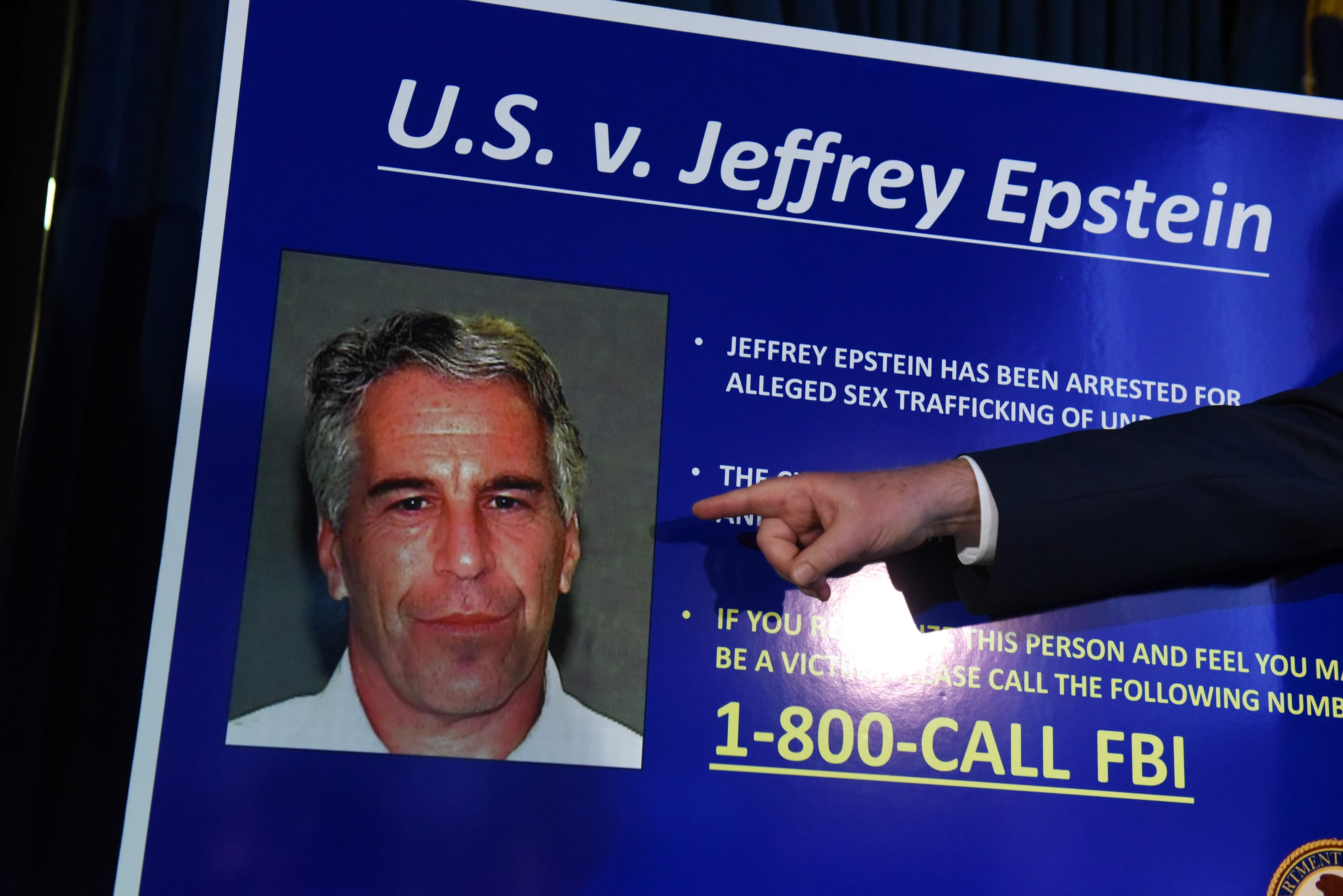
Already facing federal Sєx trafficking charges, Epstein’s death ignited a firestorm of speculation, anger, and suspicion.
At the center of the controversy stood one critical document: the autopsy report.
Conducted by New York City’s Office of the Chief Medical Examiner, the post-mortem examination concluded that Epstein died by suicide, specifically by hanging.
The official determination was announced by Chief Medical Examiner Dr. Barbara Sampson, who stated that the cause and manner of death were consistent with suicide.

Yet in the years since, fragments of medical detail have been repeatedly dissected in headlines, documentaries, and online forums—often stripped of context.
According to publicly released findings, Epstein sustained multiple fractures to bones in his neck, including the hyoid bone.
For many observers unfamiliar with forensic pathology, this detail became a focal point of suspicion.
However, forensic experts have noted that fractures of the hyoid and surrounding structures can occur in suicides by hanging, particularly in older individuals.
Epstein was 66 at the time of his death, and age-related bone fragility can increase the likelihood of such injuries.
Specialists have emphasized that these fractures, while sometimes seen in manual strangulation cases, are not exclusive indicators of homicide.
The autopsy also documented ligature marks consistent with hanging.
Toxicology reports did not reveal lethal levels of drugs in his system.
While Epstein had reportedly been on suicide watch earlier during his detention, he was not under active suicide watch at the time of his death.
Questions about jail protocols—such as camera malfunctions and staffing irregularities—fueled public mistrust, but those issues fall outside the medical conclusions of the autopsy itself.
Adding to the public debate was the involvement of a privately retained forensic pathologist hired by Epstein’s family.
That expert attended the autopsy and later suggested that certain neck fractures were more commonly ᴀssociated with homicidal strangulation than suicide.
However, the official medical examiner’s office stood by its conclusion.
Disagreements between forensic professionals are not unprecedented in high-profile cases, particularly when limited information is interpreted through different experiential lenses.
The broader environment surrounding Epstein’s death amplified scrutiny.
At the time, he was awaiting trial on federal charges brought by the United States Department of Justice.
His connections to wealthy and powerful individuals had already drawn intense media attention.
The suddenness of his death—combined with prior allegations that he had attempted self-harm weeks earlier—created fertile ground for theories that extended far beyond the autopsy table.
Investigations by the Federal Bureau of Investigation and the Justice Department’s Inspector General later examined the circumstances surrounding Epstein’s detention and death.
These reviews highlighted serious lapses within the correctional facility, including failures to conduct required checks and maintain functioning surveillance equipment.
While these findings intensified criticism of insтιтutional oversight, they did not overturn the official medical ruling regarding cause of death.
Forensic pathology is a discipline rooted in probability and pattern recognition.
Determining cause and manner of death relies on a combination of physical findings, scene investigation, medical history, and laboratory testing.
In Epstein’s case, the medical examiner’s office concluded that the totality of evidence supported suicide by hanging.
Experts have cautioned that isolated details—such as a single fracture—cannot be interpreted without the broader clinical context.
Despite official reports, public skepticism persists.
High-profile deaths often invite alternative interpretations, particularly when political, social, or financial stakes appear enormous.
Yet it is important to distinguish between verified forensic findings and speculative narratives.
The autopsy report, as summarized by authorities, remains consistent: ligature hanging, no evidence of homicidal trauma beyond what was described, and toxicology not indicating incapacitation by drugs.
Epstein’s death closed the criminal case against him but did not end legal proceedings related to his alleged network.
Civil lawsuits continued, and investigations into ᴀssociates carried forward.
In 2022, Epstein’s longtime ᴀssociate Ghislaine Maxwell was convicted on federal charges related to Sєx trafficking, underscoring that accountability efforts extended beyond Epstein himself.
The enduring fascination with the autopsy details reflects something larger than a medical report.
It speaks to public distrust in insтιтutions, the power of unanswered questions, and the difficulty of accepting conclusions in cases intertwined with influence and secrecy.
Yet from a strictly forensic standpoint, the official record has not changed.
In the end, the autopsy findings are less mysterious than the cultural storm surrounding them.
They describe injuries consistent with hanging, toxicology results without fatal anomalies, and a medical determination of suicide.
Whether that satisfies the court of public opinion is another matter entirely.
But as far as documented forensic evidence is concerned, the conclusions remain those issued in August 2019—findings grounded in examination, not speculation.


